Pet owners who notice their dog shivering or trembling may wonder whether their pup is cold, scared, or suffering from a medical issue. Why do dogs shake? There are many possible reasons, and figuring out the cause can feel overwhelming.
Most of the time, shaking in dogs is temporary and harmless. Here, we explain what pet parents need to know about why dogs shake, common causes of shaking or tremors in dogs, how to help a shaking dog, and when to call your veterinarian.
8 Common causes of shaking in dogs
Dogs may shake or tremble for behavioral, environmental, or medical reasons. Some breeds, particularly small and toy dogs, are more prone to shaking because of their smaller size, coat type, or temperament.
Here are eight common reasons dogs shake.
1. Excitement
Many dogs tremble with excitement when they see their favorite people or anticipate going for a walk, getting a treat, or playing with their favorite toy. This type of shaking is harmless and usually stops once your dog settles down.
2. Fear or anxiety
Dogs who feel anxious or stressed may shake, pace, pant, hide, or display other signs of fear and distress. Loud noises (e.g., thunderstorms and fireworks), veterinary visits, and exposure to new people or places are common triggers of this fear-based shaking, which typically stops after the stressful event.
3. Pain or nausea
Pain anywhere in the body or feeling sick to their stomach can make a dog visibly shake or tremble. Dogs in pain may show other signs, such as reluctance to move, difficulty settling comfortably, or guarding the painful area. Nauseous dogs might also drool, lick their lips, or swallow repeatedly. Nausea from motion sickness, eating something that doesn’t agree with them, or an underlying illness may also cause dogs to vomit.
4. Muscle weakness or arthritis
Senior dogs may develop trembling as they lose muscle mass and strength with age. In many cases, arthritis-related pain and discomfort add to the shaking. Dogs with these conditions may show visible muscle loss and may limp or have difficulty climbing stairs or getting up from the floor.
5. Low blood sugar or other imbalances
Hypoglycemia, or low blood sugar, can cause shaking, weakness, lethargy, and confusion. Small and toy breed puppies and adult dogs of any breed with diabetes are most likely to suffer from this issue. High or low blood calcium levels, electrolyte imbalances, and hormone disorders like Addison’s Disease can also cause muscle weakness or tremors.
6. Poisoning
Tremors and seizures are common symptoms of toxin exposures in dogs, such as chocolate or xylitol poisoning. Other symptoms of poisoning may include vomiting, diarrhea, or difficulty walking. If you think your dog ate something toxic, contact your veterinarian or the ASPCA Animal Poison Control Center immediately.
7. Neurologic or muscular disorders
Dogs can develop epilepsy, a disease that causes abnormal brain activity that leads to seizures. These can appear as generalized, full-body convulsions with loss of consciousness, or as focal twitches affecting a small part of the body. Dogs can also have a condition called generalized tremor, or “shaker syndrome,” which causes full-body trembling that begins in young adulthood, as well as several other rare conditions that affect muscle control.
8. Distemper
Canine distemper is a viral infection that targets the respiratory and nervous systems in young, unvaccinated dogs. It’s often fatal, but dogs who survive usually have nerve damage, which can cause lifelong trembling, muscle twitching, or seizures. Pet owners can help prevent distemper by keeping their dogs up to date on routine vaccinations.
If your dog always shakes in certain situations or when they are cold, but the shaking goes away on its own, it’s likely just a feature of your pet’s personality. However, you should contact your veterinarian if you believe your dog is shaking because of a medical issue or if you’re not sure why they’ve suddenly started to shake.
How to calm a shaking dog
If your dog is shaking, it’s important to first consider whether the shaking has a medical cause. Head to the vet if you can’t figure out why your pet is shaking or if it lasts longer than normal.
For dogs who shake frequently, you can try the following strategies to help them feel less anxious or stressed:
- Watch for signs of discomfort: Learn to recognize signs of stress in your dog’s body language, such as lip licking, yawning, or dilated pupils, so you can prevent a stressful interaction before it starts.
- Provide a quiet, safe space: Offer your pet a quiet, familiar space, such as a crate or bed, to help them feel safe during noisy or stressful events. Allow your pet to retreat to their area whenever they need to step away from a situation that makes them uncomfortable.
- Try a distraction: Offer toys, puzzle feeders, or chews, or play a favorite game to redirect your dog’s attention away from what’s making them uneasy and toward something fun and rewarding.
- Offer reassurance: Sitting with your dog and speaking in a low, calming tone can help them relax during a stressful or exciting event. Some dogs also enjoy the feeling of being swaddled snugly with an anxiety wrap.
- Warm them up: Sometimes shaking is due to cold. If your dog is shivering from the cold, bringing them inside, wrapping them in a blanket, or putting on a dog sweater can quickly stop the shaking. Small breeds, older dogs, and dogs with thin coats are more sensitive to low temperatures.
When should you see a veterinarian?
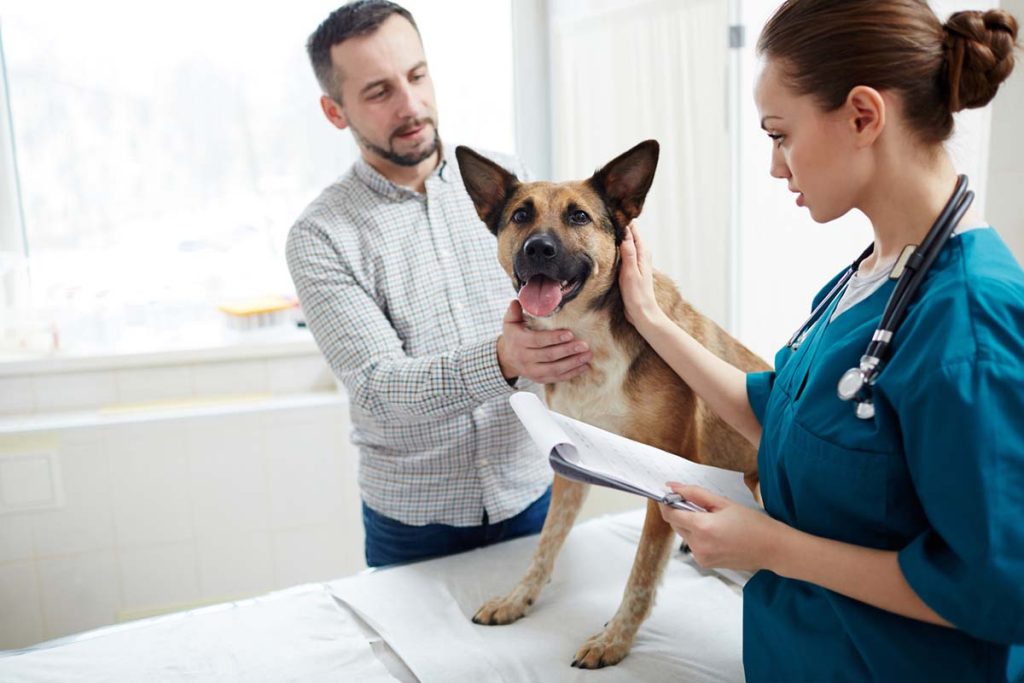
There are a few signs that your dog’s shaking may warrant veterinary care. Call your vet to schedule a visit or get further advice if:
- The shaking is happening more often, lasting longer, or getting worse
- Tremors are accompanied by vomiting, diarrhea, weakness, or other serious signs that could indicate an emergency.
- Your dog has difficulty walking or standing
- Your dog is also lethargic or experiencing a loss of appetite
- You suspect your dog ate something toxic
If you aren’t sure what’s considered normal for your dog or if the change you’re noticing is significant, don’t hesitate to call your vet.
Supporting your dog’s comfort and daily well-being
Although some shaking is normal for many dogs, any new or worsening trembling warrants a veterinary visit. Only a veterinarian can determine whether your dog’s shaking is cause for concern and what treatment options, if any, are best.
Routine veterinary care, a stable environment, and balanced nutrition are critical to supporting your dog’s overall well-being. JustFoodForDogs offers fresh, human-grade,whole-food recipes that help dogs feel their best at every life stage, including frozen, shelf-stable, DIY, custom, andnutritionist-designed formulas for complete nutrition.