Most pet parents have heard the familiar sound of their dog licking their paws late at night, as everyone is trying to sleep. Occasional paw licking is normal, and dogs lick their paws for many reasons, such as cleaning their skin or as a habit to soothe anxiety or wind down for the day.
But if your dog keeps licking their paws nonstop or their paws become red or inflamed, something else may be going on. Here are the common causes of excessive paw licking in dogs, practical solutions to help your pup find relief, and signs that it’s time to call your veterinarian.
What is excessive paw licking in dogs?
Dogs lick their paws as part of their everyday grooming routine, so occasionally licking paws is nothing to worry about. However, paw licking is considered excessive when your dog does it frequently, intensely, or for long periods of time.
A medical or behavioral problem could be causing excessive paw licking if it becomes difficult to redirect your pup’s attention or if the licking causes sores or hair loss. Treatment for a dog licking their paws should focus on identifying the root cause to help your pup feel better.
6 common reasons dogs lick their paws
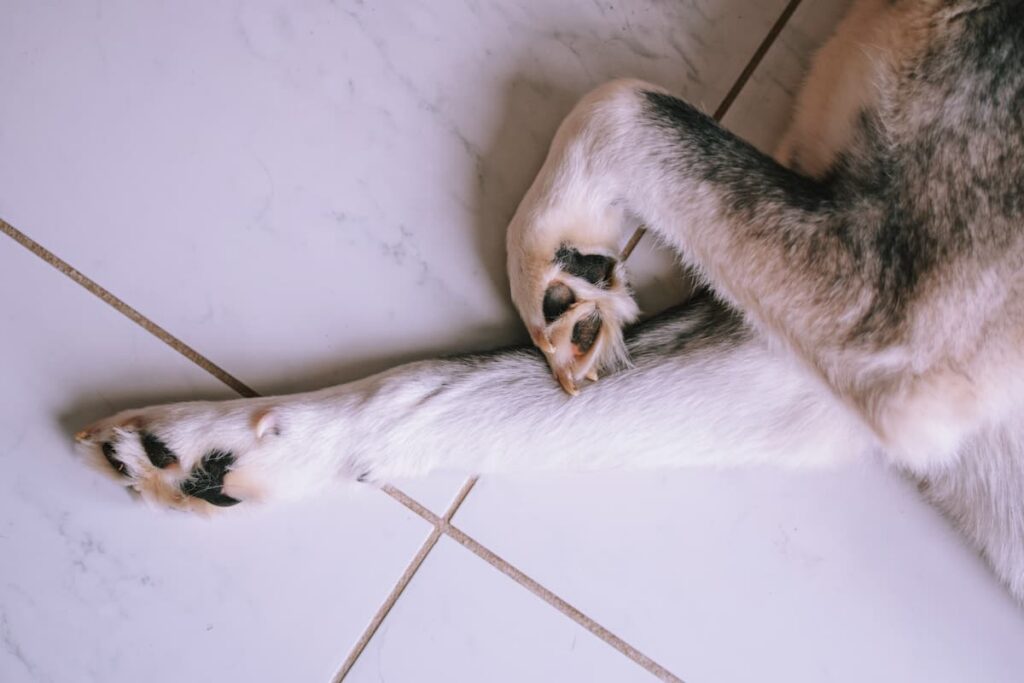
Dogs lick their paws for many reasons, and sometimes there may be several causes. Here are the most common culprits behind persistent paw licking and chewing.
Allergies
Unlike people, who tend to sneeze or get watery eyes when they have allergies, dog allergies affect the skin. Itchy, irritated paws are a classic sign.
Allergic dogs may react to environmental triggers like pollen, grass, dust mites, or mold. Food allergies and contact dermatitis are less common causes of allergic licking and chewing. If your dog’s paw licking worsens during certain seasons or after spending time outdoors, allergies may be the cause.
Skin infections
Bacterial and yeast infections can develop on a dog’s paws. The spaces between the toes (i.e., interdigital spaces) are especially prone to infection, and dogs who lick their paws frequently can contribute to infections by creating a moist environment and introducing bacteria from their mouths. Allergies are a common underlying cause of skin infections.
Interdigital cysts
Interdigital cysts are swollen lumps that develop between the toes. Common causes include allergies, standing on a grate or hard surface for long periods, coarse hair that becomes embedded in the skin, and reactions to other foreign bodies, such as plant material. The cysts are painful and itchy, causing dogs to lick the area.
Pain or injury
Sometimes, dogs lick a specific paw because it hurts. Possible causes of pain or injury to a paw include:
- A thorn, splinter, cut, or scrape
- Overgrown nails or a broken nail
- A bee sting or bug bite
- Joint pain from arthritis
- A broken toe
Dogs who limp or favor one leg while also licking their paw could have pain as the underlying cause.
Parasites
Flea bites can cause dogs to lick and chew at their paws, especially if they have a flea allergy. Just a few flea bites can trigger intense, whole-body itching in sensitive dogs. Ticks and mites can also cause itchy bites or allergic reactions, leading to persistent licking and scratching.
Anxiety, stress, or boredom
Dogs who feel anxious, stressed, or bored when left alone, due to changes in their routine, a lack of exercise or play, or because of their breed and genetics, may lick their paws to feel better. Licking is a soothing behavior for dogs that can lower stress levels; however, it can become compulsive and unhealthy over time.
Solutions to stop dog licking paws excessively
To stop a dog from licking their paws, you should schedule a visit with your vet to rule out or treat a physical or behavioral health problem. In addition to working closely with your vet and following their prescribed treatment plan, here are some things you can do at home to limit paw licking.
Check and clean your dog’s paws
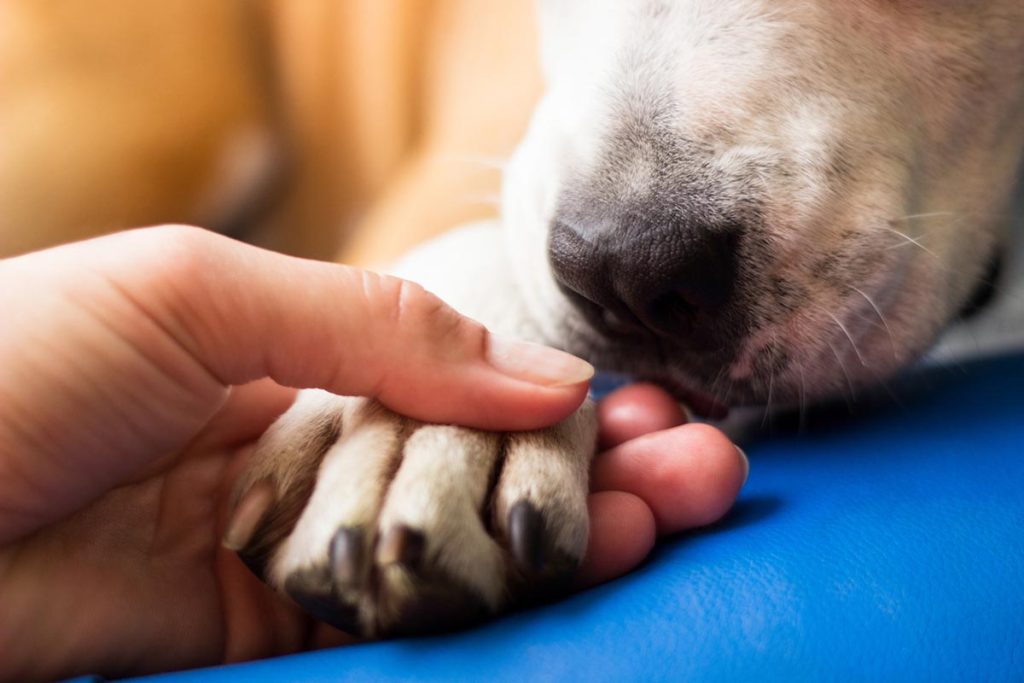
After outdoor time, wipe your dog’s paws with a damp cloth or pre-moistened wipe to remove allergens, dirt, and chemicals. Inspect the tops and bottoms of the paws, between each toe, and around the nails to look for cuts, foreign objects, redness, or anything unusual that you should bring to your vet’s attention.
Manage the behavior
A barrier can physically stop your dog’s licking and protect their paws from further irritation, helping to break the itch-scratch cycle while you work to address the underlying cause. Options to manage licking behavior include:
- Dog boots to protect sensitive paw pads from hot pavement, salted sidewalks, and outdoor allergens.
- Pet-safe paw balm to help soothe dry, cracked skin and create a protective barrier.
- Elizabethan collar (cone), paw bandage, or sock to protect sores or cuts from further injury.
Provide mental and physical stimulation
Exercise and interactive play are great ways to reduce boredom and anxiety-induced licking. Enrichment activities, such as puzzle feeders, chew toys, and daily walks, help redirect your dog’s attention away from their paws and give them another outlet for nervous energy. Talk to your vet if you suspect anxiety is causing your dog’s licking.
Preventing excessive paw licking in the future
To prevent excessive dog paw licking, you should address any itching or other skin conditions as soon as they occur. Some other strategies to help prevent paw licking and the itching that causes it include:
- Routine grooming: Keeping your dog’s nails and the fur between their toes trimmed short helps reduce discomfort and prevents debris from getting stuck. It can also help you identify problems sooner.
- Year-round parasite prevention: Consistent use of a flea and tick preventive product helps to protect your dog from parasite-related itching and skin reactions.
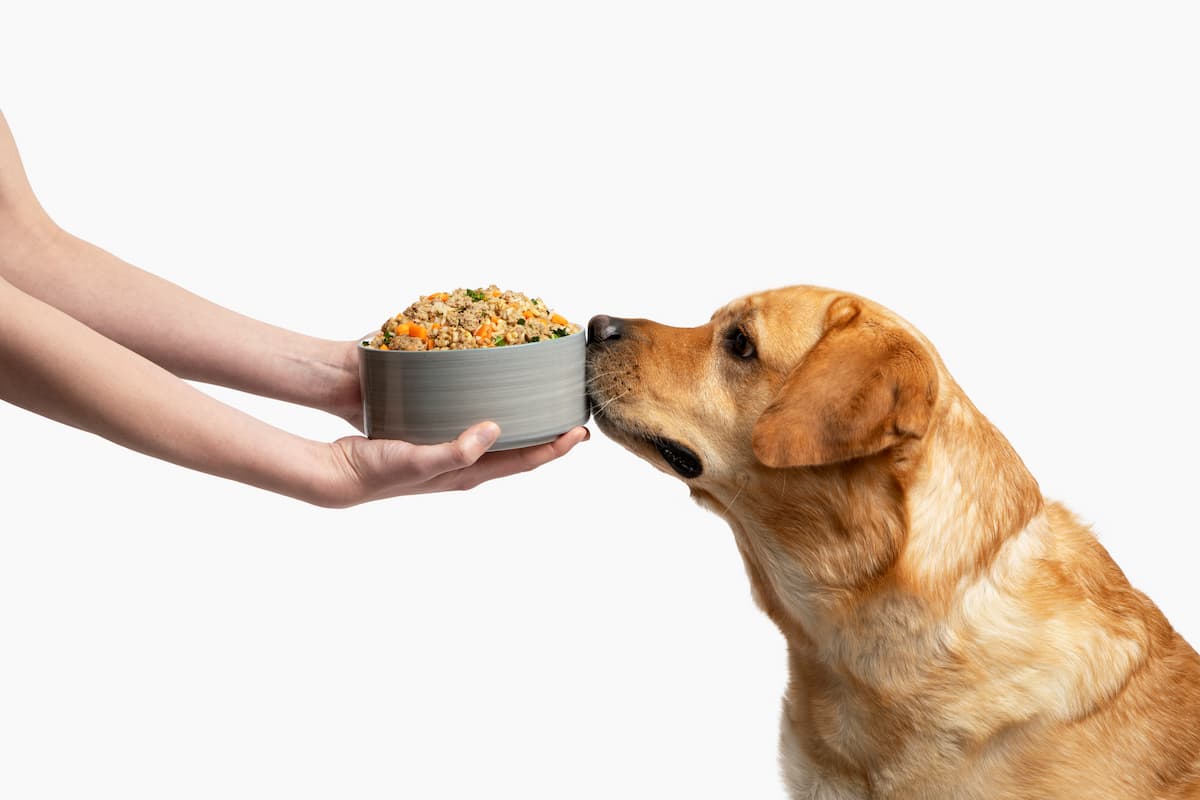
- Balanced diet: Feeding a high-quality diet with digestible proteins and balanced essential fatty acids may help support healthy skin and a normal immune response.
- Veterinary checkups: Routine vet visits allow your pet’s medical team to identify allergies, infections, and other skin conditions that may cause chronic paw licking.
When should you be concerned about dog paw licking?
Occasional paw licking is fine for most dogs. However, you should call your vet if you notice any of the following:
- Persistent licking: Licking that goes on for more than a few days
- Possible infection: Odor, hair loss, or red, swollen, or moist skin
- Discomfort: Limping, guarding, or sensitivity to touch
- Worsening symptoms: Licking that continues or gets worse despite recommended home care
A veterinarian will examine your pup’s skin and may order diagnostic tests to identify the underlying cause of the paw licking. Then, they can help you develop a treatment plan to address the cause, which might include oral medications, topical foot soaks or sprays, home care, preventive strategies, or consultation with a trainer or behaviorist.
Supporting your dog’s skin and overall health
Occasional paw licking is a normal part of being a dog. But persistent licking can indicate an underlying issue. Whether the cause is allergies, a cyst, arthritis, or stress, diagnosing the problem promptly and starting veterinary-guided treatment can help you get a handle on your dog’s paw licking.
Proper grooming, regular physical and mental stimulation, and high-quality nutrition are things you can do at home to support your dog’s skin health and overall well-being.