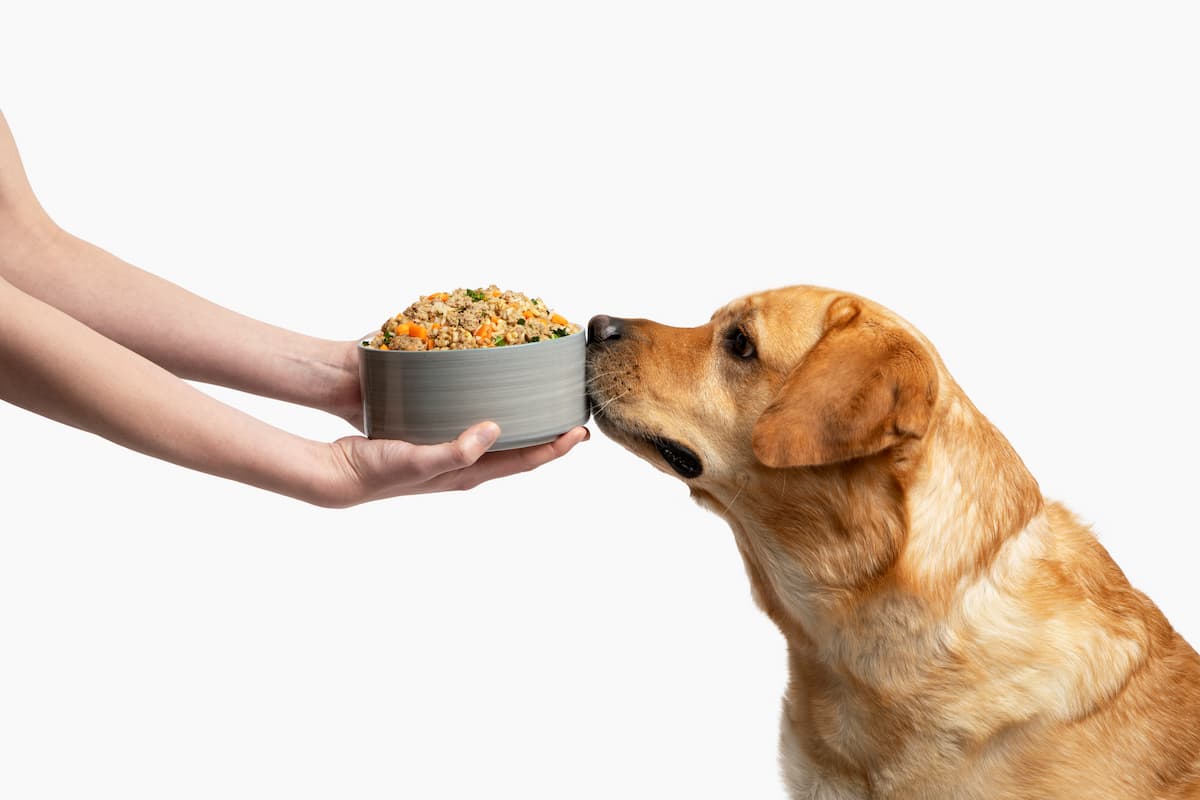
If you’ve noticed your old dog not eating as much as they used to, you’re not alone. Many pet owners feel a wave of worry when their loyal companion starts leaving food in the bowl or seems less excited about mealtime. The good news is that some appetite changes are a perfectly normal part of aging, but others deserve a closer look.
This guide walks you through what’s normal for senior dogs, common reasons an older dog may eat less or lose weight, practical ways to encourage better eating habits, and the warning signs that mean it’s time to call your vet.
At What Age Is a Dog Considered a Senior?
Dogs don’t all age on the same timeline. Breed size plays a significant role in when a dog enters their senior years:
- Small breeds (under 20 lbs): Senior status typically begins around 10–12 years
- Medium breeds (20–50 lbs): Generally considered senior at around 8–10 years
- Large breeds (50–90 lbs): Often reach senior status at 7–8 years
- Giant breeds (over 90 lbs): May be considered senior as early as 5–6 years
Large and giant breeds age faster at a cellular level, which means age-related changes in appetite, metabolism, and mobility can appear earlier. Knowing when your dog enters this life stage helps you anticipate and respond to shifts in their eating habits before they become a concern.
Why Do Senior Dogs Eat Less?
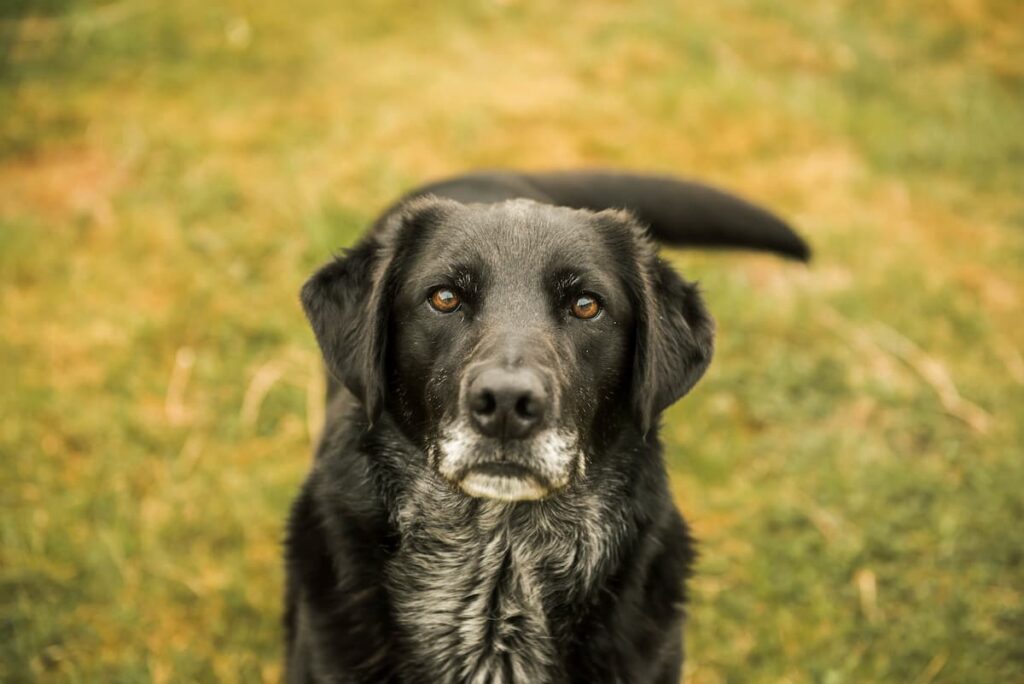
Do senior dogs eat less? Yes, and often for completely natural reasons. As dogs age, their metabolism slows, and their activity levels typically decrease. A less active dog simply burns fewer calories and, as a result, may feel less hungry. This gradual, mild reduction in appetite is generally nothing to worry about on its own.
Older dogs may also experience changes in thirst alongside appetite changes, which is why pet owners sometimes ask, “Why isn’t my dog drinking water?” Decreased drinking can relate to reduced activity or dietary changes, but significant changes in water intake, either more or less, are worth flagging with your veterinarian, since they can signal underlying health issues.
Causes of Weight Loss in Senior Dogs
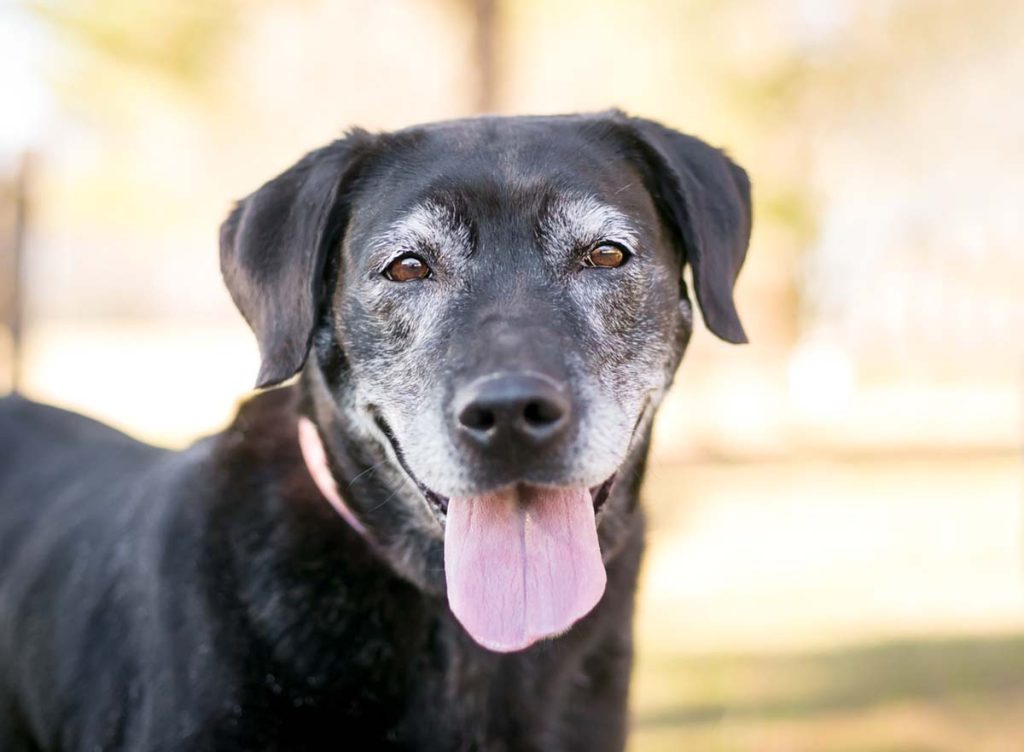
When an older dog stops eating or begins eating noticeably less, several factors may be at play. Some are part of normal aging; others require veterinary attention. Here are several reasons for an old dog losing weight.
Age-Related Changes in Metabolism
As dogs age, their bodies process nutrients differently. A slower metabolism means your dog’s caloric needs genuinely decrease, so a slight reduction in how much they eat isn’t necessarily alarming. However, even if a dog eats less, the food they do consume needs to be nutritionally dense to maintain muscle mass and support organ function.
Reduced Sense of Smell or Taste
Dogs rely heavily on their sense of smell to get excited about food. Senior dogs often experience a diminished sense of smell and taste, which makes even their favorite kibble seem less appealing. This is one reason older dogs may walk up to their bowl and then walk away; the food simply doesn’t entice them the way it once did.
Dental Pain or Oral Disease
Dental disease is one of the most overlooked reasons for a dog not eating. Inflamed gums, cracked teeth, or oral infections make it painful to chew, especially dry food or hard kibble. A senior dog with dental pain may show interest in food but refuse to eat, or they may chew on one side and eat much more slowly than before. Regular dental checkups with your veterinarian can catch these problems early.
Digestive Sensitivity
Older dogs often develop more sensitive stomachs. Their digestive systems become less efficient at breaking down certain ingredients, which can cause discomfort after meals and lead them to avoid eating. If your senior dog experiences frequent vomiting or diarrhea alongside a decreased appetite, digestive sensitivity or an underlying gastrointestinal condition, may be the cause.
Underlying Medical Conditions
A loss of appetite can be one of the first visible signs of a more serious health issue. Conditions such as kidney disease, liver disease, diabetes, hypothyroidism, and cancer can all cause an older dog to stop eating or eat significantly less. Medication prescribed for other conditions can also suppress appetite as a side effect. This is why a persistent lack of appetite always warrants a veterinary evaluation.
Behavioral or Environmental Changes
Dogs are creatures of habit. Changes in the household, such as a new pet, a family member leaving, a move to a new home, or even shifting your own schedule, can trigger stress-related appetite changes. Senior dogs in particular may feel disruptions more acutely. If nothing medically explains your dog’s decreased appetite, consider whether anything in their environment has recently changed.
How to Encourage Your Senior Dog to Eat More
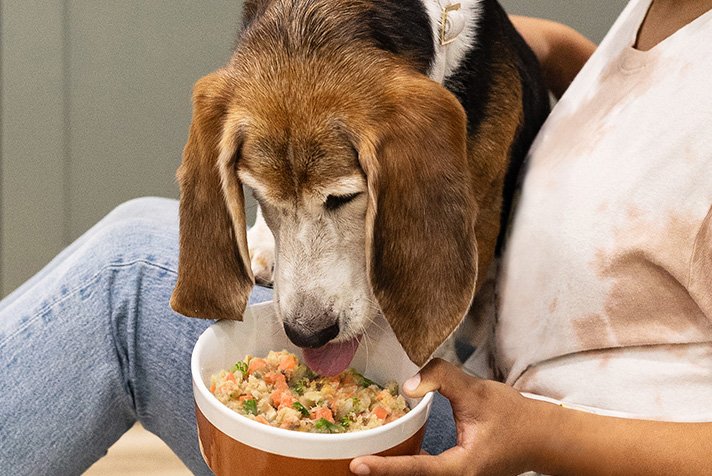
If your senior dog is eating less but appears otherwise healthy, these practical strategies can help bring back their appetite.
For a Dog Not Eating, Change the Feeding Schedule
Instead of one large meal, try offering two smaller meals per day, or even three if your dog seems to do better with smaller portions. Consistent, predictable feeding times can regulate hunger cues and make meals feel more routine. Some dogs simply need the structure of a regular schedule to stay interested in food.
Give Your Dog More Gentle Exercise
Light activity before meals can naturally stimulate appetite. A short, gentle walk before feeding time encourages digestion and signals to your dog’s body that food is coming. Keep exercise appropriate for your dog’s age and physical condition; the goal is stimulation, not strain.
Try Mixed Feeding
Blending wet food with your dog’s usual dry food or kibble can make meals more aromatic and easier to chew, both of which matter for senior dogs. Wet food tends to have a stronger smell, which can appeal to dogs with a diminished sense of smell. You can also try adding a small amount of warm, low-sodium broth to make the bowl more enticing.
Warm the Food Slightly
Warming your dog’s food to just above room temperature releases aromas that make meals more appealing. This is particularly effective for dogs with a reduced sense of smell. A few seconds in the microwave (with the food checked to avoid hot spots) or a brief warm water soak can make a meaningful difference in whether your dog shows interest in their bowl.
Keep Fresh Water Available
Hydration affects appetite. Make sure your dog has easy access to clean, fresh water throughout the day. Keep water bowls in multiple locations if your senior dog has mobility challenges, and clean the bowls regularly; dogs can be particular about taste. If your dog isn’t drinking enough, this can also suppress their desire to eat.
When Should I Take My Dog to the Vet?
While mild appetite changes can be normal in senior dogs, certain signs mean veterinary care can’t wait. Take your dog to the vet if they haven’t eaten for more than 24 hours or if a decreased appetite comes with any of the following:
- Vomiting or diarrhea
- Lethargy or unusual weakness
- Sudden or rapid weight loss
- Increased or decreased thirst
- Noticeable behavioral changes
- Difficulty chewing or apparent mouth pain
- Swollen abdomen or signs of discomfort
These signs can indicate a range of medical conditions, some serious, that require prompt veterinary diagnosis and treatment. When in doubt, calling your vet is always the right move.
Supporting Your Senior Dog’s Health with Balanced Nutrition
As dogs age, their appetite and metabolism naturally change, and that’s okay. What remains constant is the importance of high-quality, balanced nutrition. Even if your senior dog eats less volume than they once did, every bite needs to count.
A well-designed senior dog diet supports muscle maintenance, joint health, digestion, and cognitive function. Choosing the right food and feeding approach, ideally in conversation with your veterinarian, gives your aging dog the best chance at a healthy, comfortable life. Explore JustFoodForDog’s custom diets and vet-prescribed meals tailored specifically to senior nutritional needs.
Final Thoughts
Do older dogs eat less? Often, yes, and in many cases, it’s a natural part of aging. As your dog’s metabolism slows, their senses dull, and their activity decreases, some reduction in appetite is to be expected. But not all appetite changes are normal, and it’s important to know the difference between typical aging and a symptom that needs attention.
By understanding the common causes of appetite loss in senior dogs, making thoughtful adjustments to feeding routines, and staying alert to warning signs, you give your older dog the support they need to age well. And when you’re unsure, your veterinarian is always your best resource for keeping your senior dog healthy, happy, and well-nourished.