
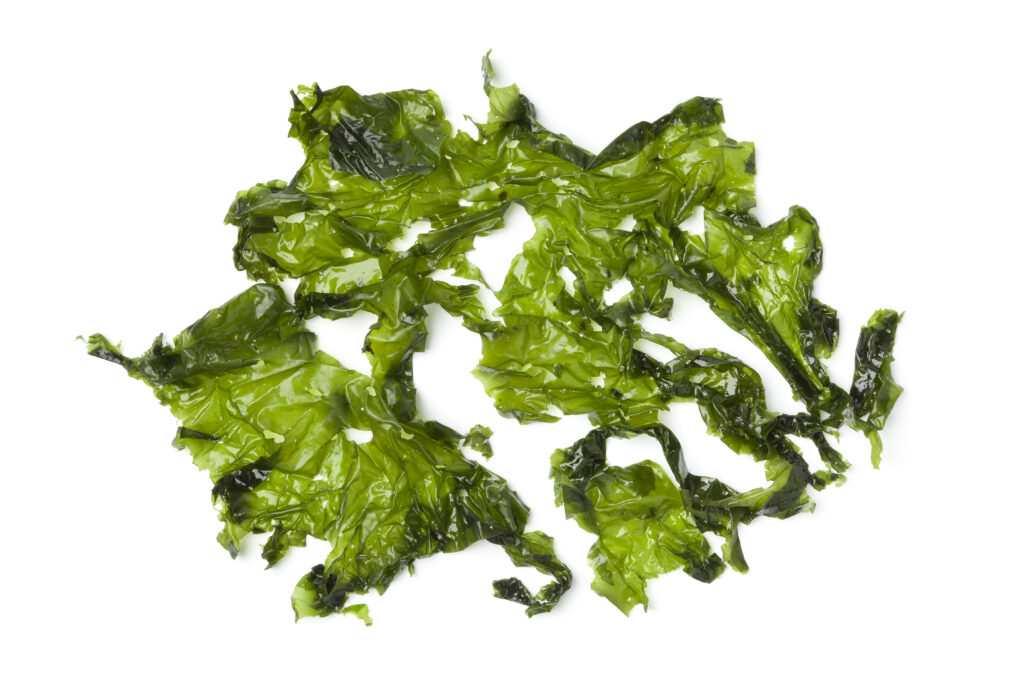
Pet owners often wonder which foods they enjoy can be safely shared with their dogs, and seaweed is a growing point of curiosity. Sea vegetables describe all different types of edible algae and marine plants, though they are usually called seaweed. This nutrient-dense sea vegetable has earned a reputation as a superfood for humans, and it’s now showing up in seaweed snacks and seaweed supplements made specifically for dogs.
In this article, you’ll learn which seaweed varieties are safe, what benefits of seaweed dogs may experience, what risks to watch for, and how to serve seaweed properly so your dog can enjoy it without issue.
Can dogs eat seaweed?
Yes, dogs can eat seaweed, but not every type of seaweed is appropriate, and preparation matters as much as the variety itself. Whether or not it’s safe depends on the type of seaweed, how it’s processed, and what other ingredients are included. Several seaweed varieties are considered safe for dogs when they’re plain and prepared specifically for canine consumption. There are three main types of seaweed: green (Chlorophyta), brown (Phaeophyta), and red (Rhodophyta).
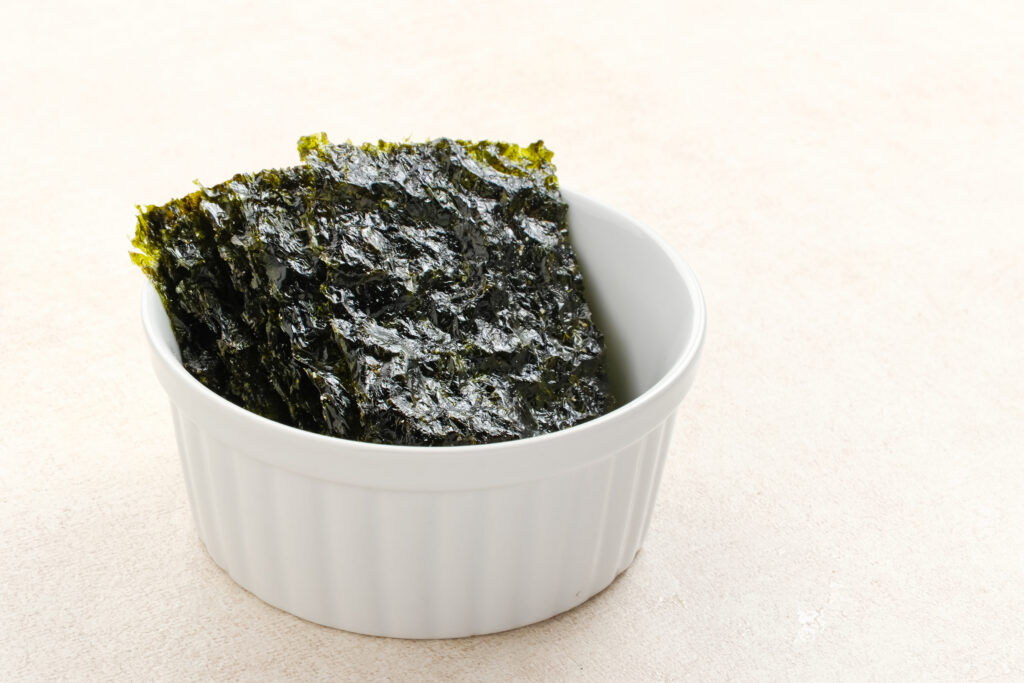
Can dogs eat nori? Yes, nori, the thin, dried seaweed sheets often used in sushi, is one of the most recognized safe options, along with dried seaweed sheets, wakame, and kelp, a type of brown seaweed common in dog-specific supplements. Kelp is a type of brown algae commonly used in dog products.
Red seaweed and certain green algae varieties can also appear in dog-safe products. The key requirement across every safe seaweed variety is that it must be plain, unseasoned, and food-grade.
This means avoiding sushi seaweed prepared with salt or vinegar, and steering clear of flavored seaweed snacks made for human consumption. Many seasonings and preparations found in human seaweed products are unsafe for dogs, including garlic, onion, sesame oil, soy sauce, and heavily salted seasoning blends. Garlic and onion in particular are toxic to dogs and should never be part of anything you feed your pet. When in doubt, choose a natural dog product labeled specifically for canine use, or ask your veterinarian to recommend a trusted brand.
Benefits of seaweed for dogs
Is seaweed good for dogs? The answer is, well, complicated. When fed in the right form and amount, seaweed may offer several nutritional benefits worth knowing about. Like most sea vegetables, these marine plants are high in minerals and vitamins A, B, E, D, and K. Sea vegetables also contain omega-3 fatty acids. However, remember that seaweed should be viewed as nutritional support rather than treatment for any condition. If you have any concerns about your dog’s health, consult your vet.
- Thyroid health. Seaweed naturally contains iodine, a mineral your dog’s thyroid needs in small amounts to function properly. Seaweed may support healthy thyroid function as part of a balanced diet.
- Anti-inflammatory support. Certain seaweed varieties, particularly brown seaweed types like Ascophyllum nodosum, contain fucoxanthin, a natural pigment studied for its antioxidant and anti-inflammatory properties. Fucoxanthin is one of the main compounds researchers point to when discussing the benefits of seaweed for overall wellness.
- Skin and coat health. The vitamins and minerals found in seaweed, including calcium, magnesium, and naturally occurring omega fatty acids, may support skin hydration and a healthy, glossy coat over time.
- Immune support. Seaweed contains a range of vitamins, antioxidants, and other nutrients that may contribute to general immune wellness as part of a complete, balanced diet. Ascophyllum nodosum in particular is a common ingredient in supplements formulated to deliver these nutrients in concentrated form.
- Digestion support. Some seaweed varieties are a natural source of fiber, which may support healthy digestion when introduced gradually and in small amounts. Algae-based ingredients are increasingly studied for their potential role in gut health.
- Bone health. With naturally occurring calcium, magnesium, potassium, and other minerals, seaweed may offer modest support for bone strength when included as a small addition to a nutritionally complete diet.
None of these benefits mean seaweed can replace veterinary care or a complete, balanced dog food. Think of it as a nutrient-dense extra, not a substitute for anything your dog’s regular diet already provides.

Risks of feeding seaweed to dogs
Seaweed isn’t risk-free, and pet owners should weigh a few factors before adding it to their dog’s diet.
- High sodium content. Many seaweed varieties, especially those prepared for human snacking, carry a high salt content. Too much sodium can be hard on a dog’s system and may pose added risk for dogs with heart or kidney concerns.
- Excess iodine and thyroid function. While a small amount of iodine supports healthy thyroid activity, too much can throw thyroid function out of balance. This is especially true for brown seaweed and kelp, which tend to have higher iodine levels than other seaweed varieties.
- Dogs on thyroid medication. Dogs being treated for thyroid conditions should avoid seaweed altogether unless a veterinarian says otherwise, since the iodine content can interfere with medication and worsen thyroid imbalances.
- Digestive sensitivities. Some dogs simply don’t tolerate seaweed well, and their digestion may react with vomiting or diarrhea, particularly if seaweed is introduced too quickly or in large amounts.
- Seasonings and additives in human-grade products. Seaweed snacks made for people often contain salt, oils, garlic, onion, or other seasonings that are unsafe for dogs, which is why dog-specific products matter.
If your dog has an existing health condition, especially anything related to the thyroid, kidneys, or heart, talk to your veterinarian before adding seaweed or any seaweed supplement to their diet.
Wild seaweed: Is it safe for dogs?
Seaweed found on the beach is a different story entirely, and it should never be treated the same as the plain, food-grade seaweed sold for dogs.
- Excessive salt content. Wild seaweed absorbs large amounts of ocean salt, and eating enough of it can lead to salt toxicosis, a potentially serious condition caused by excessive sodium intake.
- Expansion in the stomach. Dried or partially dried wild seaweed can expand once it reaches your dog’s stomach, creating a risk of blockage that may require emergency veterinary treatment and can seriously disrupt normal digestion.
- Hidden organisms and parasites. Beach seaweed can harbor small sea creatures, bacteria, or parasites that aren’t visible at a glance but can cause illness if ingested.
- Pollutants and debris. Ocean seaweed, unlike the algae used in commercial dog food or supplements, can carry pollutants or trapped debris that pose additional health risks beyond salt and blockages.
- Symptoms to watch for. If your dog eats seaweed at the beach, signs like vomiting, diarrhea, excessive drooling, or lethargy warrant a call to your vet, and symptoms that don’t improve quickly should be treated as an emergency.
The safest rule of thumb: keep your dog away from any seaweed washed up on shore, no matter how tempting it looks to a curious nose.
How to feed your dog seaweed
Once you’ve confirmed seaweed is appropriate for your dog, a few preparation methods make it easy to work into their routine.
Dried seaweed and nori snacks
If you’re wondering, “Can dogs have seaweed snacks?”, the answer is yes. But they should not be human seaweed snacks. They should be specifically formulated for dogs. Plain, unsalted dried seaweed sheets or nori are an easy starting point. Break off a small piece and offer it as an occasional snack, watching for any signs of digestive upset before offering more.
Fresh seaweed
Fresh, food-grade seaweed can also be given in small amounts, though it’s less commonly available than dried varieties. Always rinse thoroughly and skip anything sourced from the beach.
Seaweed supplements
Seaweed supplements, often made from kelp, red seaweed, or Ascophyllum nodosum, are formulated specifically for canine nutrition and typically come with dosing guidance based on weight. Many are designed to concentrate the vitamins and minerals found naturally in seaweed, including magnesium and fucoxanthin, into an easy daily dose. These can be a convenient way to add nutrients without guessing at portion sizes, and some complete dog food formulas now include algae or seaweed as a listed ingredient.
Serving sizes by dog size
Portion size should scale with your dog’s size. Small dogs generally do well with just a pinch or a few small flakes sprinkled over food, while larger dogs can typically handle a slightly larger portion. Start small, watch how your dog’s digestion responds, and consult your vet for guidance tailored to your dog’s weight, age, and health history.
How whole-food nutrition supports your dog’s long-term health
Feeding your dog well isn’t about any single ingredient; it’s about building a diet that consistently delivers the nutrients they need. Seaweed, fed properly and in moderation, can be one small piece of that picture, offering vitamins and minerals like magnesium, along with compounds like fucoxanthin that complement a complete, balanced diet. But the real value comes from consistency: a dog fed complete, high-quality nutrition day after day is better equipped to get the most out of every ingredient in their bowl, whether that’s their regular food, an occasional snack, or a vet-recommended supplement. Talk to your veterinarian about whether seaweed fits into your dog’s diet, and let their guidance shape how you introduce anything new.
Final thoughts
Seaweed can be a safe, nutritious addition to a dog’s diet when it’s plain, food-grade, and given in moderation. Varieties like nori, wakame, kelp, and Ascophyllum nodosum may offer benefits ranging from thyroid support to healthier skin, coat, and digestion, thanks to nutrients like fucoxanthin, magnesium, and other vitamins and minerals. But the risks, particularly around sodium, iodine, and wild beach seaweed, are worth taking seriously. Always check with your veterinarian before adding seaweed, supplements, or any new ingredient to your dog’s diet.