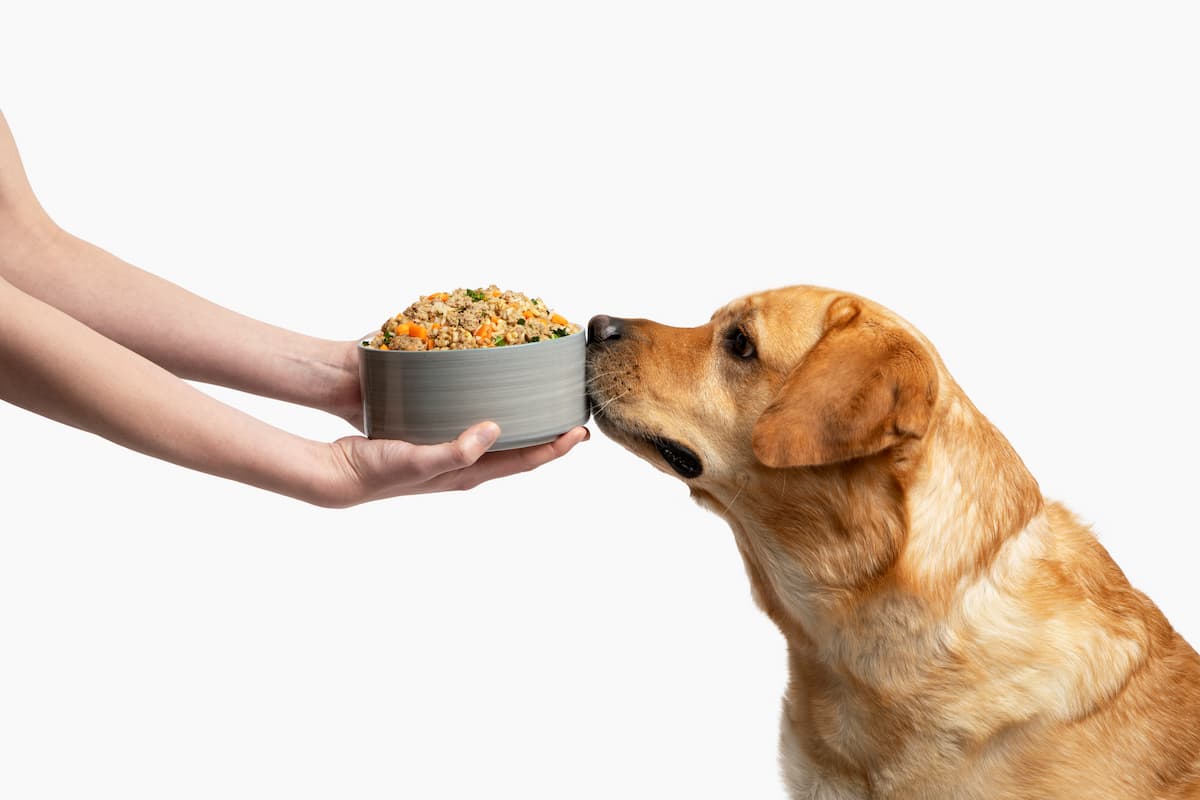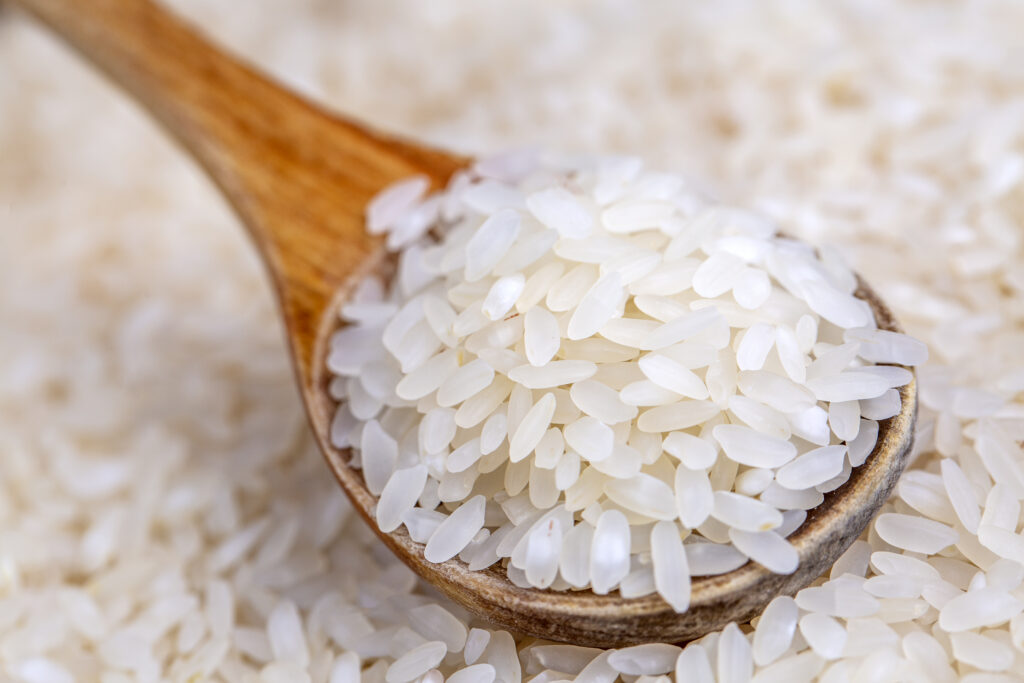
Rice is a popular ingredient in both commercial dog food and home-cooked meals, but is rice safe for dogs? For most dogs, yes, they can eat plain, cooked rice as part of a complete and balanced diet.
In this article, you’ll discover the benefits of rice for dogs, the different types of rice dogs can eat, how much rice to feed, and potential risks to consider.
Can dogs eat rice?
Yes, most dogs can eat cooked, plain rice as part of a complete and balanced diet. Rice provides carbohydrates and is an ingredient in many commercial and fresh dog foods. If you’re wondering if rice is good for dogs, it can be when fed in appropriate amounts as part of a nutritionally balanced diet.
There’s no reason to avoid rice or other grains unless there’s a specific reason to do so. White rice is sometimes used short term for dogs with stomach upset because it’s easy to digest. Brown rice provides more fiber and may be suitable for healthy dogs as part of a balanced diet.
Can dogs have rice every day? Rice can be included regularly when it’s part of a complete and balanced dog food, but there’s generally no need to add extra rice to your dog’s regular meals every day.
The type of rice you feed your dog, portion size, and preparation methods all matter when adding rice to your dog’s diet.
What are the benefits of rice for dogs?
Rice can be a nutritious source of carbohydrates, which provide dogs with energy. The specific nutritional benefits depend on the type of rice.
Nutrients and potential benefits of rice for dogs include:
- Carbohydrates: Rice provides an easy source of energy.
- Low fat: Plain rice is naturally low fat.
- Low sodium: Rice is naturally low in sodium when cooked with plain water.
- Fiber: Brown rice provides dietary fiber, which supports normal digestion and healthy bowel movements.
- B vitamins: Rice contains several B vitamins that help the body convert food into energy and support healthy cell function.
- Thiamin: Another name for vitamin B1, thiamin supports a healthy metabolism and nervous system function.
- Niacin: Vitamin B3 helps support energy metabolism.
- Folate: This B vitamin is involved in cell division and the formation of new cells.
- Magnesium: Brown rice provides magnesium, a mineral involved in muscle and nerve function.
- Manganese: Rice contains manganese, an essential mineral involved in metabolism and other normal body processes.
- Phosphorus: This essential mineral plays a role in healthy bones and teeth and normal cellular function.
- Selenium: Rice can provide selenium, a trace mineral involved in antioxidant defenses and thyroid function.
- Iron: Rice contains small amounts of iron, an essential mineral the body uses to produce hemoglobin and transport oxygen.
White rice is easy to digest, which is one reason veterinarians may recommend it as part of a temporary bland diet for dogs with upset stomachs.
What types of rice can my dog eat?
Dogs can eat several types of rice as long as it’s fully cooked and served plain.
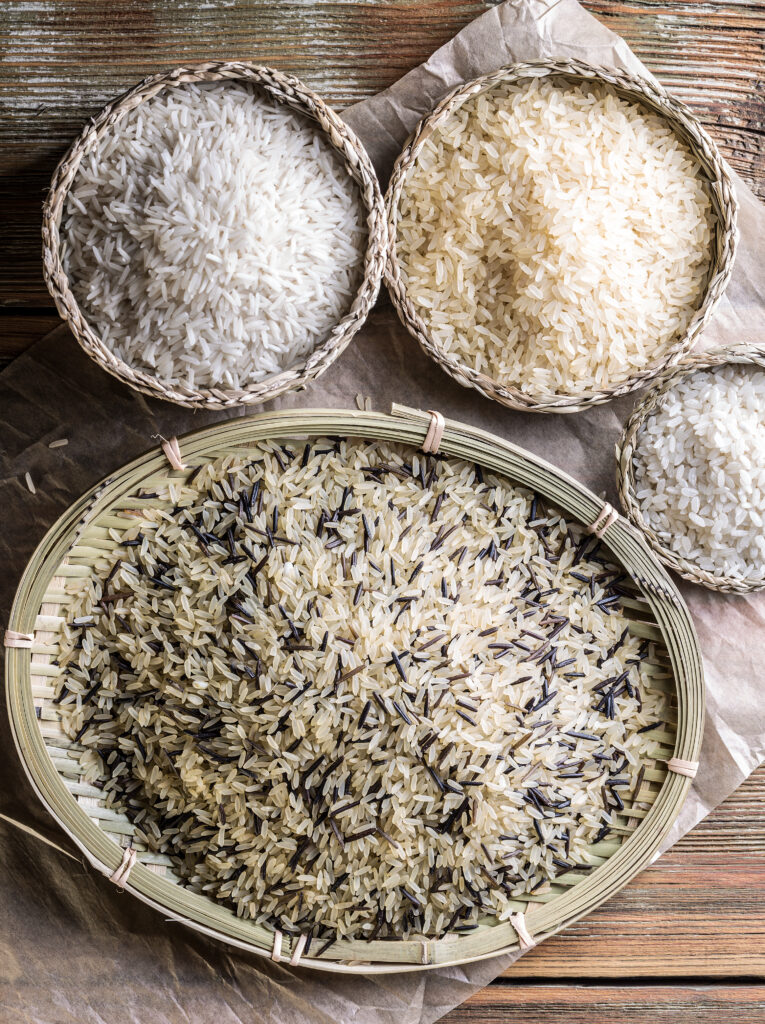
White, brown, jasmine, and basmati rice are all safe for most dogs, though the nutritional profiles differ.
White rice
White rice is easy to digest and a good source of carbohydrates. Because the bran and germ are removed during processing, it contains less fiber than brown rice. Veterinarians may recommend plain white rice as part of a temporary bland diet for some dogs with an upset stomach.
Brown rice
Brown rice is a whole grain that retains its bran and germ. It contains more fiber than white rice, along with nutrients such as magnesium and B vitamins. The extra fiber can make brown rice harder to digest for dogs experiencing gastrointestinal upset.
Jasmine rice
Jasmine rice is a long-grain white rice with a soft, fluffy texture when cooked. Dogs can eat plain, cooked jasmine rice in moderation.
Basmati rice
Dogs can also eat plain, cooked basmati rice. This long-grain rice comes in both white and brown varieties, so its fiber and nutrient content can vary by the type you choose.
What rice is best for dogs depends on your dog’s overall diet, health, and nutritional needs. No single type of rice is best for every dog, although white rice is generally more digestible than brown rice.
How to safely feed your dog rice
Follow these guidelines when preparing rice for dogs.
- Boil the rice with plain water according to package instructions.
- Keep it plain for your dog. Don’t add butter, oil, salt, or seasonings that may contain ingredients dangerous for dogs, such as onion and garlic.
- Store leftovers safely. Refrigerate cooked rice within two hours and use refrigerated leftovers within four days.
- Start with a small amount of rice. Any new food can cause digestive problems, including rice. Start with a small amount and see how it affects your dog.
- Follow your veterinarian’s instructions for a bland diet. If your veterinarian recommends a homemade bland diet for an upset stomach, they may suggest combining approximately two parts white rice with one part lean, fully cooked protein. Homemade bland diets are meant for short-term use as they’re not a balanced diet.
When offering rice or other human foods dogs can eat, keep portions small and account for the extra calories in your dog’s daily diet. Other whole foods including certain fruits and vegetables can also make dog-friendly additions. Check with your veterinarian before using rice to manage an ongoing digestive problem.

How much rice should I feed my dog?
How much rice your dog can eat depends on their size, activity level, overall diet, and health. When you’re offering plain rice as an occasional extra, keep the portion small.
These are general guidelines:
- Extra-small dogs (2–20 pounds): 1–2 tablespoons
- Small dogs (21–30 pounds): 2–3 tablespoons
- Medium dogs (31–50 pounds): ¼ cup
- Large dogs (51–90 pounds): ⅓ cup
- Extra-large dogs (91+ pounds): ½ cup
These amounts apply to “extra” rice, not rice already included in your dog’s complete and balanced diet. Treats and other snacks outside a complete and balanced diet should generally account for no more than 10% of your dog’s daily calories.
Dogs can eat rice regularly when it’s part of their complete and balanced diet but there’s no reason to add additional rice on top of their regular food. Such additions can throw off the nutritional balance of their regular diet.
Talk to your vet about the right amount of rice if you’re feeding it to your dog for digestive problems or incorporating it into a homemade diet.
Risks of feeding rice to dogs
Plain, cooked rice is safe for most dogs, but sometimes your dog’s individual health can affect how well they tolerate it.
Allergic reactions
Rice allergies in dogs are uncommon, but an individual dog can react to ingredients in their food. Signs of a food allergy may include itchy skin, recurring ear infections, or gastrointestinal problems. Talk to your veterinarian if you suspect your dog has a food allergy.
Digestive problems
Eating too much rice can cause digestive problems like gas, constipation, or diarrhea. Introduce rice gradually in small portions.
Food bloat
If your dog eats a large amount of rice or any food at one time, it can distend your dog’s stomach. This is different from gastric dilatation-volvulus (GDV), which is often called bloat. Bloat is a life-threatening condition in which the stomach dilates and may twist. A swollen abdomen, repeated attempts to vomit without producing anything, excessive drooling, restlessness, weakness, or difficulty breathing require immediate veterinary attention.
Arsenic toxicity
Rice can contain arsenic because rice plants absorb the naturally occurring element from soil and water. According to the U.S. Food and Drug Administration (FDA), rice tends to absorb arsenic more readily than many other food crops.
For most dogs eating a varied, complete and balanced diet, rice doesn’t need to be avoided because of arsenic. Feeding a varied diet and avoiding excessive amounts of any single food can help limit exposure.
Good nutrition supports your dog’s everyday health
Rice can be a healthy part of your dog’s diet, but it’s only one ingredient. Your dog needs the right balance of protein, fats, carbohydrates, vitamins, and minerals to support their overall health. Rice isn’t the only carbohydrate your dog can eat either. Pups can eat plain pasta in moderation too.
Your dog’s nutritional needs can vary based on their age, activity level, and health. Your veterinarian can help you determine the right diet and whether rice is a good fit for your pooch.
For nutrition tailored to your dog’s specific needs, explore Targeted Nutrition.