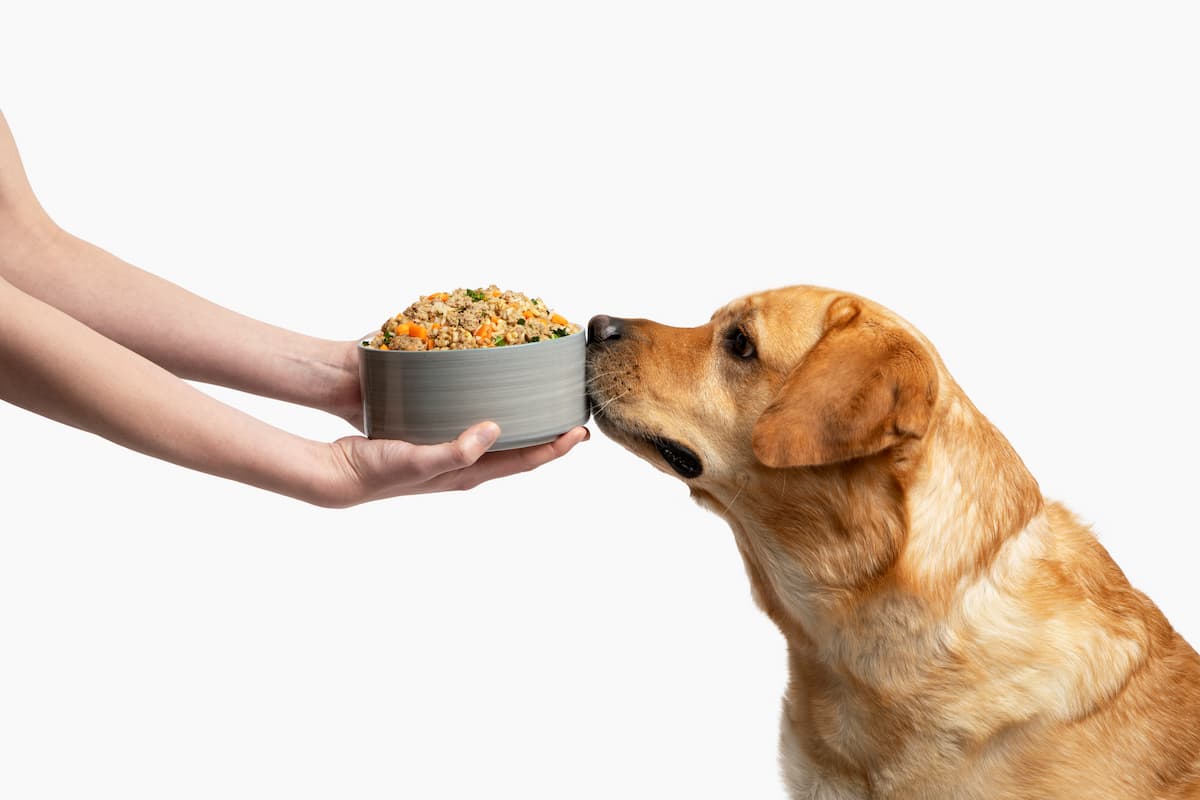
Fruits and vegetables are healthy, nutritious snacks for humans, so you might be wondering if they’re safe for your furry friends to eat, too. While there are some types of fruits and veggies dogs can have in moderation, others come with serious health risks, so it’s important to know what’s what. Let’s explore which kinds of produce make great dog snacks and which ones your pup should stay away from.
What fruits can dogs eat?
There are plenty of fruits that work well as snacks or meal toppers for dogs. They’re rich in vitamins and other healthy nutrients, and they have a sweet flavor that many dogs enjoy.
Since fruits are high in sugar, they’re best enjoyed in small amounts to prevent upsetting sensitive stomachs. Here are the fruits that are safe for dogs in moderation:
- Apples: Apples are an excellent source of vitamin C, vitamin A, and fiber for dogs, plus they have a satisfying crunch. Just be sure to remove the seeds and the core before serving. The seeds contain small amounts of cyanide, which is toxic to dogs.
- Bananas: Small banana slices make a tasty snack and provide high amounts of potassium. Just take the peel off to prevent digestive issues and choking.
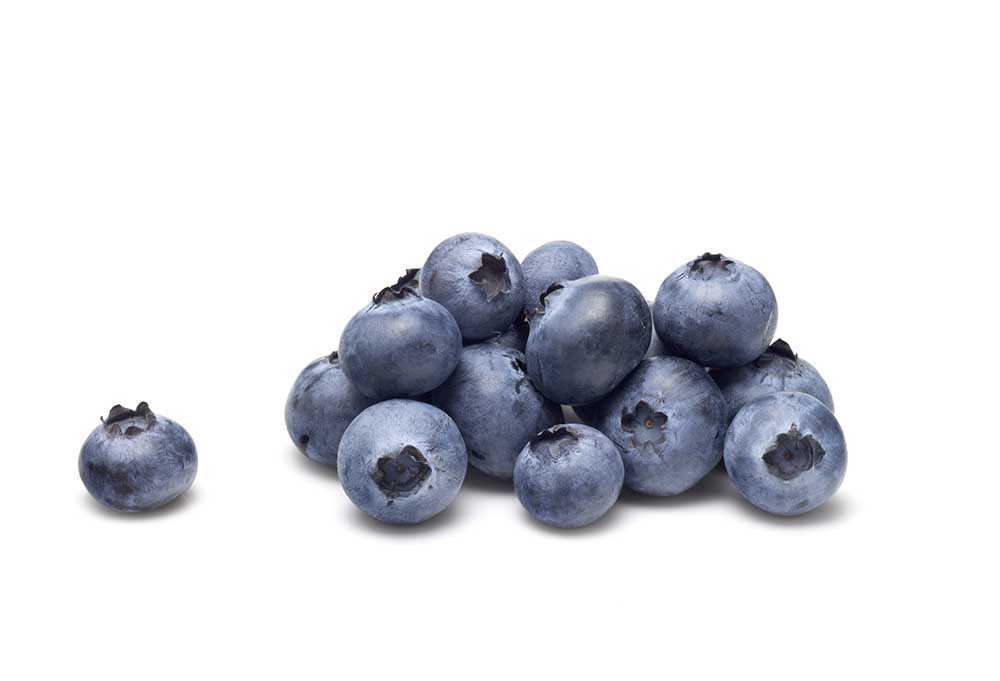
- Blueberries: Fresh or frozen blueberries are a tasty, low-calorie treat full of antioxidants like manganese.
- Watermelon: Watermelon can help dogs stay cool and hydrated in the summer, but remove the rind and seeds first to prevent any choking hazards.
- Cantaloupe: Cantaloupe is another hydrating, nutritious treat for your pup. Remove the rind and cut it into small pieces for easy digestion.
- Strawberries: Strawberries are a great source of fiber and vitamin C. Be sure to rinse them and cut the stem off before serving.
- Pineapple: Raw pineapple is a sweet yet nutrient-dense treat. Like us, dogs can’t eat the spiky outer layer or core, so trim those off first.
- Peaches: Peaches are a tasty snack for dogs in moderation. Remove the stem, pit, and any leaves before serving, as they can contain toxins. Any stone fruit (think fruits with pits) poses choking hazards as well, so be super careful keeping peaches and plums around the house.
- Pears: Fresh pears are sweet and contain healthy nutrients, but remove the core and seeds first for safety.
- Raspberries: Raspberries are safe for dogs in moderation, so stick to just a few at a time. They contain natural xylitol, a sweetener that is dangerous to dogs in large quantities.
- Mango: Mango is packed with vitamins to support your dog’s diet. Like with peaches, remove the pit and cut the fruit into slices to serve.
What fruits should dogs avoid?
There are plenty of fruits that make good dog snacks, but what fruits can dogs not eat? Here are the fruits dogs should stay away from:
- Grapes, raisins, and currants: Grapes are highly toxic to dogs, even in small amounts. Stay away from any product that contains grapes, raisins, currants, or grape leaves.
- Cherries: Cherry pits, leaves, and stems contain cyanide, which is toxic to dogs. They’re also a serious choking hazard.
- Avocado: Avocado skins and pits contain high levels of persin, a toxin that can cause vomiting and diarrhea. They’re very easy to choke on. The flesh is high in fatty acids, which can have negative long-term health effects.
- Lemons and limes: These citrus fruits can cause digestive issues, liver damage, and even neurological damage in large amounts.
- Tomatoes: Ripe tomatoes are okay, but tomato leaves and stems contain high levels of solanine, which is toxic to dogs. Unripe tomatoes also contain large amounts of solanine. This means it’s wise to generally avoid tomatoes to be on the safe side, but if your pup does eat a ripe tomato, there’s no need to panic.
- Rhubarb: Rhubarb leaves contain dangerous soluble oxalate crystals, so it’s best to stay away from them.
What vegetables can dogs eat?
Like fruit, vegetables are full of vitamins, minerals, and fiber — and many of them make a healthy addition to your dog’s diet. Here are the vegetables that are safe for dogs to eat:
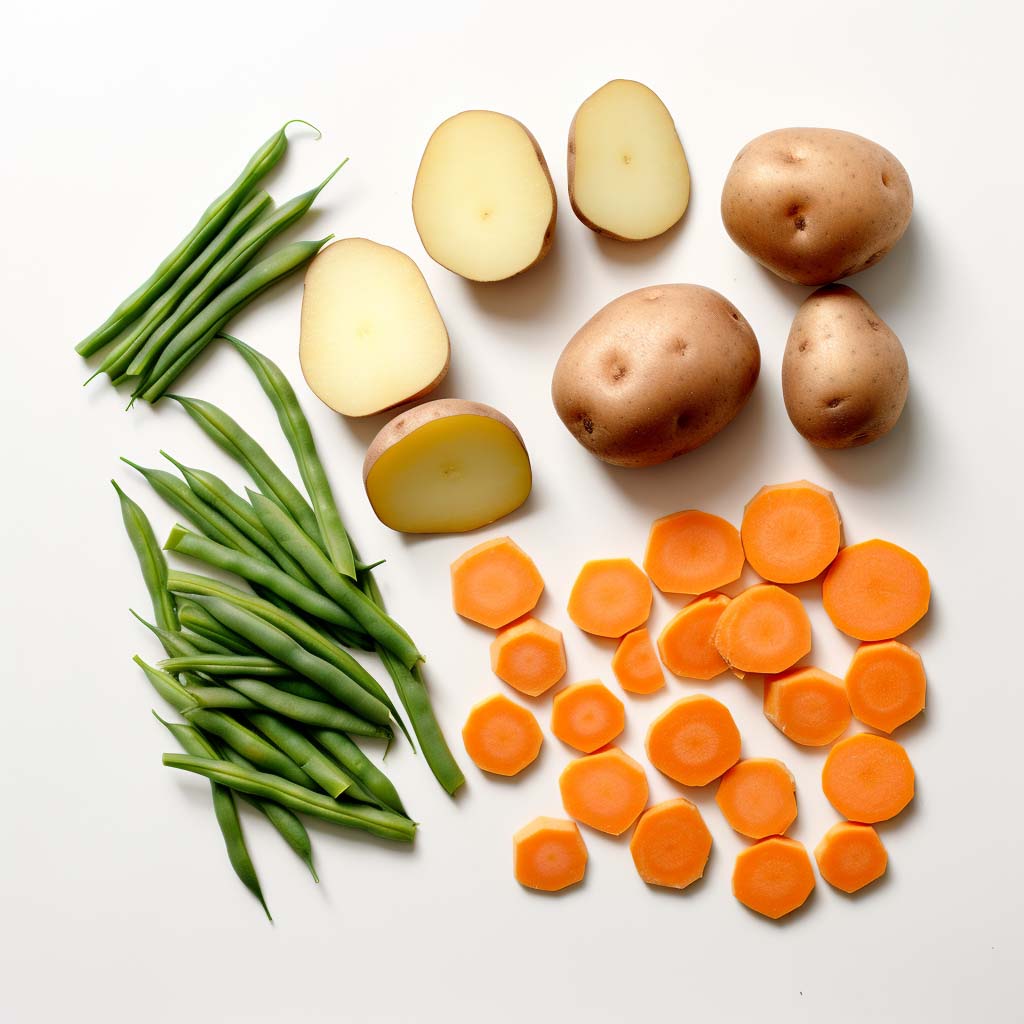
- Carrots: Carrots are full of vitamins and minerals, notably potassium and vitamin A. They can be served either raw or cooked; just cut them into bite-sized pieces first.
- Green beans: Green beans are a safe and tasty low-calorie snack for dogs. They’re also full of fiber to support healthy digestion.
- Broccoli: Dogs can eat both raw and cooked broccoli in moderation. Cut up the stalks to make them easier to chew and digest.
- Cucumbers: Cucumbers are very hydrating, making them a refreshing summer snack. They make a great low-calorie option for pups on a diet.
- Pumpkin: Cooked pumpkin, canned pumpkin, and pumpkin seeds make healthy dog treats, and they may help ease diarrhea and other digestive issues.
- Potatoes and sweet potatoes: Cooked potatoes are a fine occasional treat, and sweet potatoes are a great source of fiber for dogs. Just stay away from raw potatoes of any kind, which are difficult for dogs to chew and digest.
Which vegetables should dogs avoid?
While many veggies make healthy dog snacks, there are a few that pose safety concerns. If you’re wondering what vegetables dogs can’t eat, stay away from these:
- Onions, garlic, leeks, and chives: These vegetables are called alliums, and they’re highly toxic to many pets, even in small doses. Alliums can cause vomiting, diarrhea, and low energy levels. They can also lead to “bloat” in deep-chested breeds, a stomach condition that may be fatal.
- Corn cobs: Corn cobs are a significant choking hazard for dogs. That said, dogs can eat corn off the cob in moderation.
- Mushrooms: Many mushroom varieties are toxic, so it’s best to be cautious and avoid them altogether.
- Raw potatoes: Raw potatoes contain solanine and are easy to choke on, which makes them very dangerous for dogs.
Quick fruits and vegetables serving tips for dogs
Keep the following tips in mind when preparing fruits and vegetables for dogs. A little bit of extra prep time makes these foods safer and easier for your dog to eat.
- Follow the 10% rule: Many fruits are high in sugar, so they shouldn’t be the primary food in your dog’s diet. Instead, stick to the 10% rule: Only 10% of your dog’s food should come from treats or snacks, and the other 90% should come from balanced dog foods.
- Wash, peel, and pit: Always start by washing your fruits and veggies to remove any leftover dirt and grime. Then, remove peels, pits, and seeds, as they can be choking hazards. Many fruit pits also contain toxins, even if the fruit itself is safe for dogs to eat.
- Pay attention to portions: Fruits and veggies should be small enough for dogs to chew easily, but not so small they pose a choking hazard. Cut fruits and veggies into appropriately sized pieces before serving them to your dog. If your dog struggles to chew, try mashing up the fruit or vegetable instead.
- Keep it plain: Seasonings and additives can be dangerous for dogs, so serve your fruits and veggies plain. Avoid canned or cooked versions unless they’re all-natural.
- Check with your vet: If you have concerns about a certain fruit or vegetable, ask your vet if it’s safe. Professionals can provide personalized dietary advice for your pup.
Consider other healthy treat alternatives beyond fruits and vegetables
Fruits and vegetables can be a fun way to add nutrients and variety to your dog’s diet. But it’s most important to stick to dog-safe options and only serve them in moderation.
Luckily, these foods aren’t your only option for healthy dog snacks. For many dogs, non-produce treats are tastier and easier to digest. JustFoodForDogs offers a variety of dog treats and DIY nutrient blends full of fresh, whole-food ingredients.