As much as we wish they would stay puppies forever, we cannot prevent them from aging. We can, however, take measures to help senior pets live as happily as possible in their golden years. It’s important for pet parents to recognize the difference between normal aging changes and signs that may indicate illness, especially as dogs enter their senior years at different stages, depending on size and breed. Read on to learn what to expect with an aging dog as well as how you can optimize their health in the journey.
What are the signs of aging in dogs?
The lifespan of our pets is simply not long enough. How do dogs age? Outward signs of an aging dog that we tend to see include physical characteristics and behavioral changes.
Physical signs of aging in dogs
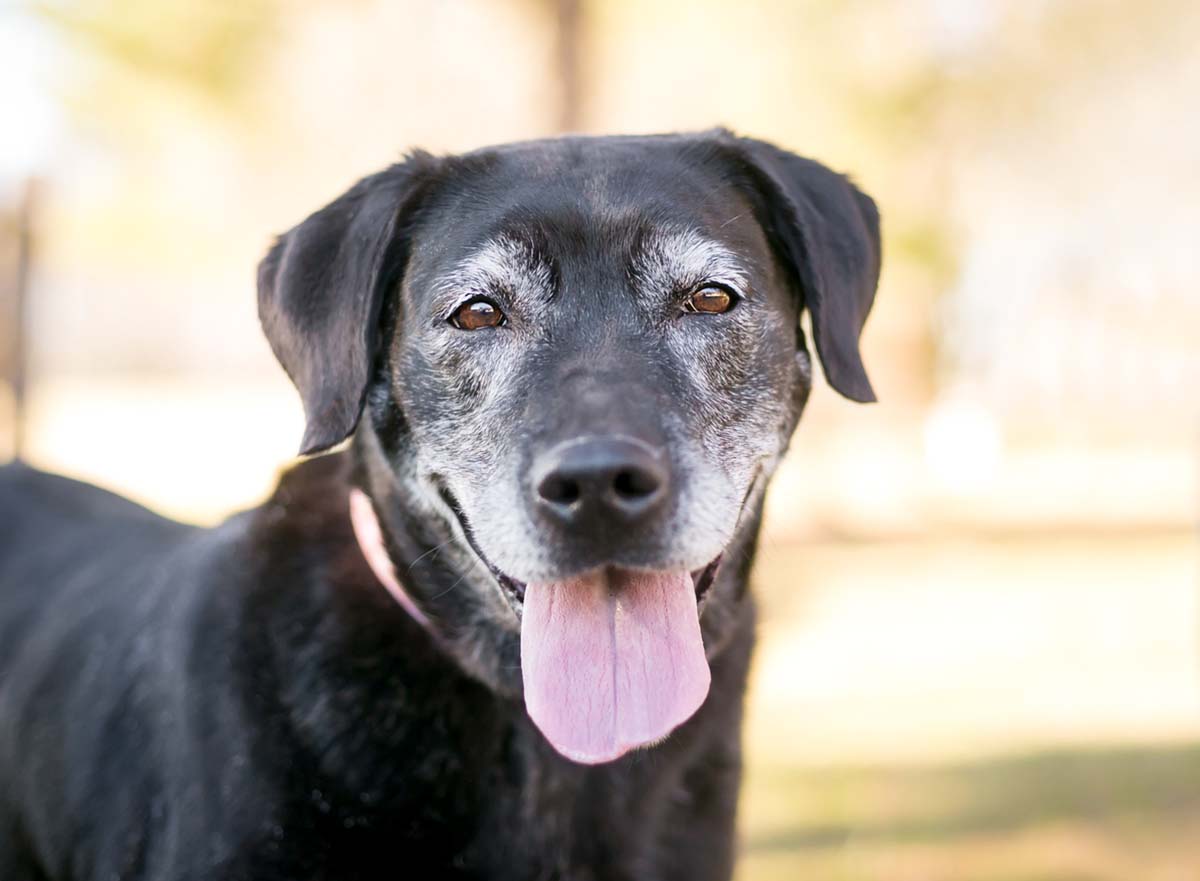
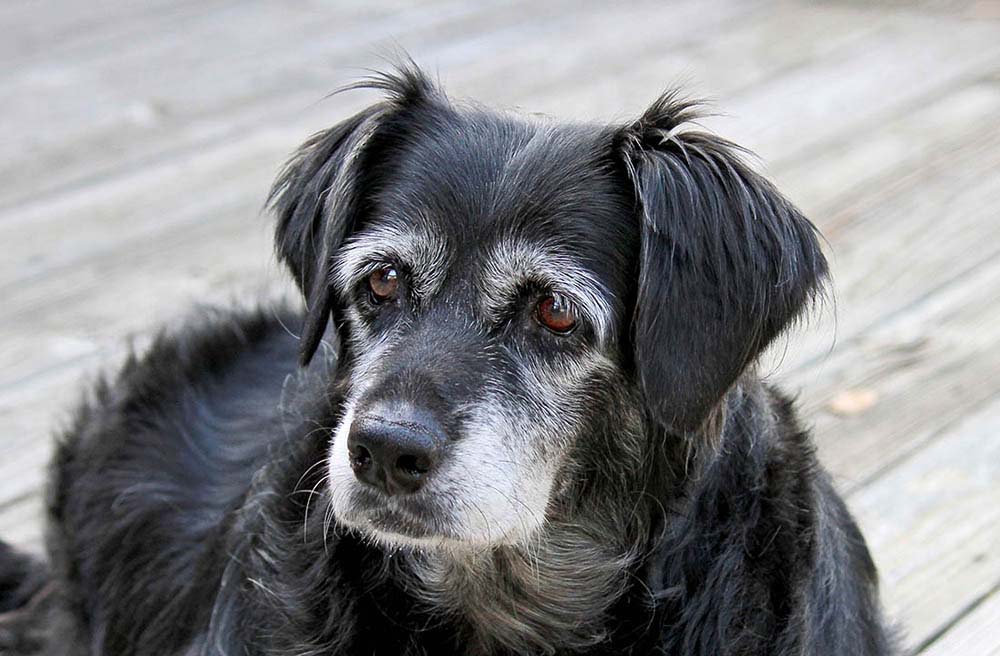
- gray hair
- foggy eyes (cataracts) & vision loss
- mobility issues
- weight loss
- exercise intolerance
- bad breath
- hearing loss
Behavioral and mental signs of aging in dogs
- canine cognitive dysfunction
- incontinence
- loss of appetite
- irritability
- increased anxiety
- changes in sleep/wake cycle
However, many internal concerns come with age that we as pet parents may not immediately notice. Or we may attribute them to being a normal sign of senior years, rather than warning signs of something deeper, like dementia.
Noticing these common health issues for old dogs early is key.
When is a dog considered senior?
Unlike humans, dogs don’t follow a single universal timeline for aging. When a dog officially enters their senior years depends heavily on their size and breed.
Smaller dogs tend to age more slowly and typically aren’t considered seniors until somewhere between 7 and 10 years old. A tiny Chihuahua or Toy Poodle, for instance, may not show the typical signs of aging until well into their late single digits. Medium-sized dogs, like Beagles or Border Collies, generally reach their senior stage a bit earlier, usually around 7 years old. Large breeds — think German Shepherds or Labrador Retrievers — tend to age faster than their smaller counterparts and are often considered seniors by around 6 years. Giant breeds like Great Danes and Saint Bernards age the most rapidly of all. Some vets may consider them seniors as early as 5 years old, which corresponds with their notably shorter average lifespans overall.
The core takeaway is that the bigger the dog, the sooner the clock starts ticking on their senior years.
Top Concerns In Senior Dogs
Below is a more detailed breakdown of some of the top age-related health problems in senior dogs. Always consult your veterinarian for maintenance plans as your dog ages.
1. Joint Health
While arthritis and joint pain are most common in large-breed dogs, they can affect dogs of any age — even small dogs. If your pet struggles to jump onto the couch or bed or to climb stairs, these may be signs of degenerative joint issues.
Since joint problems like osteoarthritis arise with age, there is no cure. However, you can ask your veterinarian if they would suggest a diet change, medication, or supplement to support your pup’s joints. Nutrition and a balanced diet play a tremendous role in maintaining joint function and overall dog health.
2. Cancer
According to the Animal Cancer Foundation, there are around six million cancer diagnoses in dogs every year. If you notice any abnormal bumps or lumps on your pup, don’t hesitate to talk to your vet about them.
While older dogs tend to develop lumps with age, not all are cancerous and can be taken care of — it never hurts to check. “Pets today have a better chance of being successfully treated for neoplasia and cancer than they did before, thanks to advances in early recognition, diagnosis, and treatment,” says the AVMA.
3. Kidneys
Kidney failure can be quite common in older dogs due to the natural aging process. Kidney disease is not curable, but it can be managed with an appropriate diet with lower protein and phosphorus levels, medication, and supplements as prescribed by your veterinarian.
4. Gum & Dental Health
Other signs of aging include tooth decay, dental disease, and gum disease. Years of tartar and plaque buildup can be a recipe for periodontal disease in a senior dog. The best way to manage your dog’s teeth is by daily brushing and routine dental cleanings with your vet.
5. Cognitive Decline
Yes, senior dogs can get dementia. Signs of cognitive dysfunction that require a visit to the vet include disorientation and confusion, aimless wandering, staring blankly at walls or at nothing, and anxiety.
How to help your dog age gracefully
As dogs age, a few thoughtful adjustments at home can go a long way in keeping them comfortable and healthy.
- Tailor exercise to their current ability. An aging dog may not have the same stamina or mobility they once had. Shorter, more gentle walks are often better than long, intense outings.
- Monitor their weight and appetite closely. Older dogs may be prone to both weight gain from reduced activity and weight loss from decreased appetite or underlying health issues.
- Set up a cozy, supportive resting space. Senior dogs tend to sleep more and may develop joint pain or arthritis, so their sleeping area matters more than it used to. An orthopedic or memory foam bed may ease pressure on achy joints.
- Adapt the home as their senses change. Some senior dogs gradually lose sharpness in their vision or hearing as they age. Simple modifications — like keeping furniture in consistent places, using nightlights in darker areas, or approaching them calmly so as not to startle — may help them feel more secure and navigate their environment with confidence.
When to be concerned about your aging dog
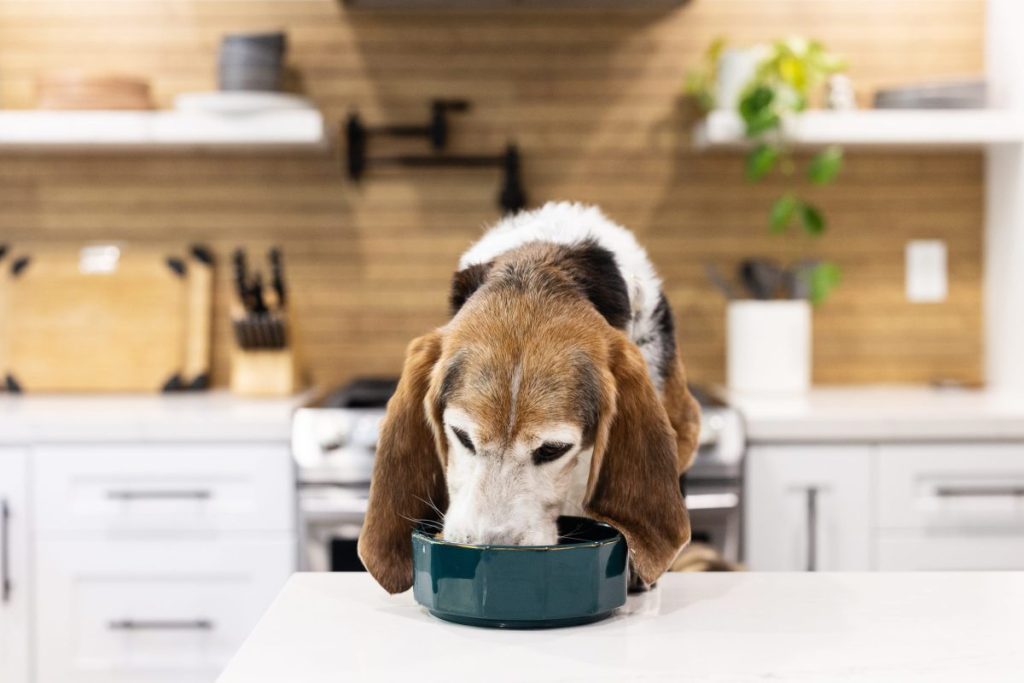
While some slowing down is expected with age, certain changes are worth taking seriously and shouldn’t be brushed off as just “getting older.”
- Difficulty with movement or getting up. Struggling to climb stairs, reluctance to jump, or noticeably laboring to rise after lying down may be signs of arthritis, joint disease, or neurological issues that warrant a closer look from a vet rather than a wait-and-see approach.
- Unexplained weight loss or shifts in appetite. Changes in eating habits are one of the body’s clearest ways of communicating that something is off. A senior dog that suddenly loses interest in food, drops weight without an obvious cause, or conversely develops an insatiable hunger may signal something systemic.
- Bumping into objects or sudden changes in senses. While gradual vision or hearing decline can be a natural part of aging, a sudden or rapid change is a different story. An older dog that walks into furniture, seems disoriented, or stops responding to familiar cues may be experiencing something beyond typical age-related decline.
Support your aging dog with high-quality nutrition
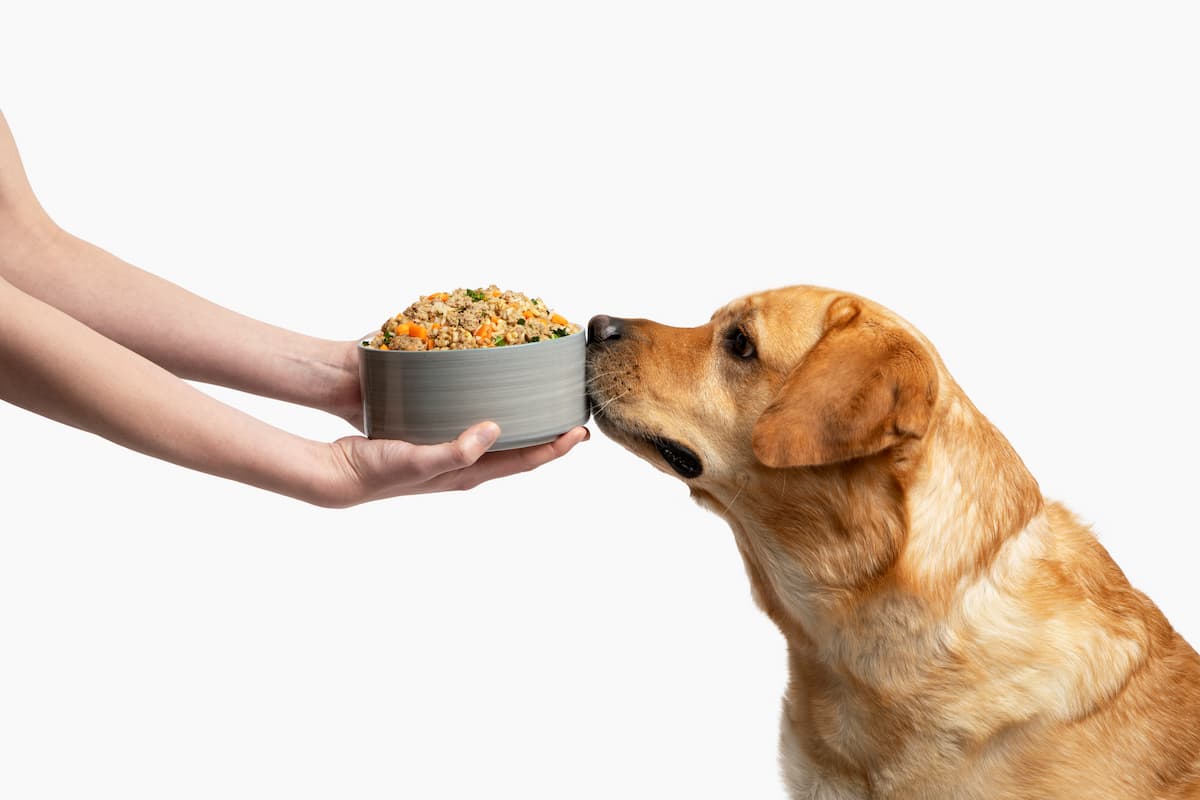
No matter your older dog’s needs, aging is a normal part of life. Old age happens to all of us. It’s up to us as pet parents to ensure we take extra care of older pets to help maintain comfort, body condition, and overall quality of life as needs change over time. Nutrition, for one, is a practical part of a dog’s routine at any age, as well as regular vet visits, to support overall health.