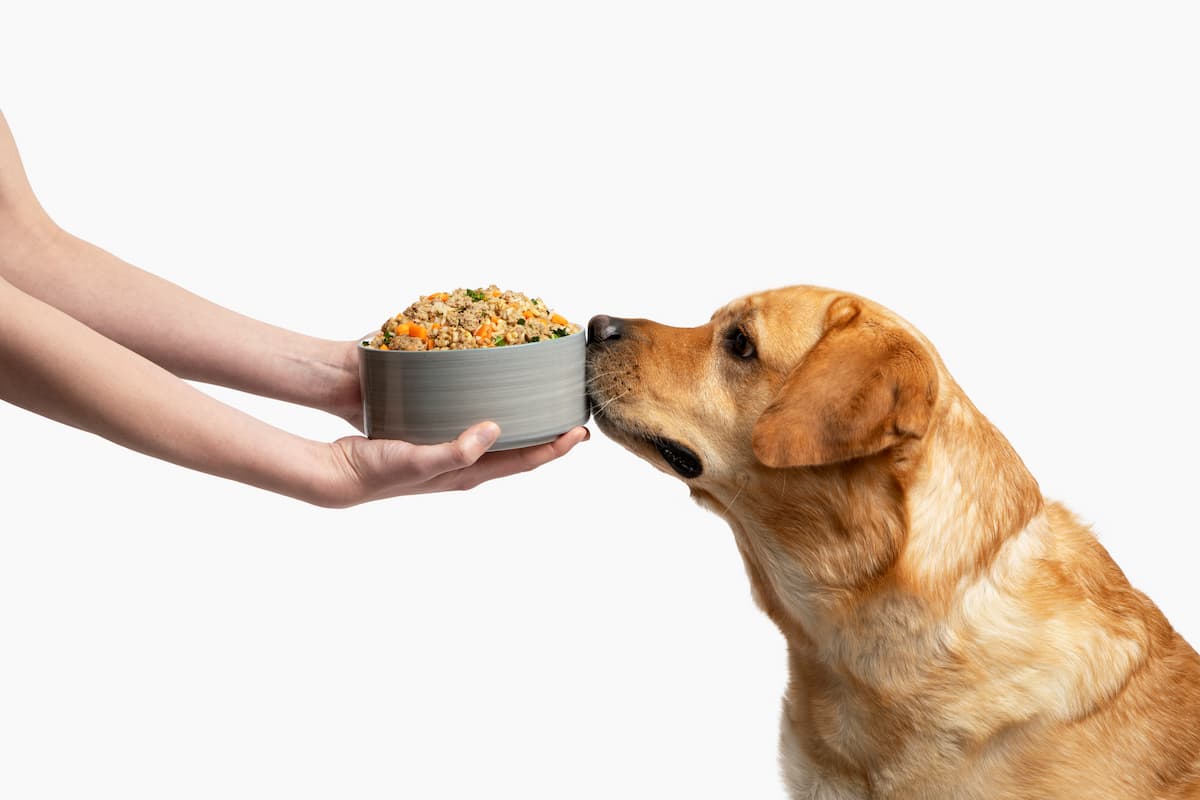
Dogs of different life stages have different dietary needs. Senior dogs don’t have the same nutritional needs as puppies or adolescent dogs, so what should you feed your older dog, and should you switch to senior dog food?
This post is a practical guide to help pet parents recognize the signs of aging, understand how senior nutrition differs, and how to transition their dog safely to new food.
At What Age Are Dogs Considered ‘Senior?’
The age when a dog is considered a ‘senior’ isn’t universal or determined by just their age. A dog’s size and breed influence when they are considered senior, as different-sized dogs age at different rates. Some large breed dogs may be considered seniors as young as six or seven years of age. Small breeds of dogs usually aren’t considered seniors until around 11 or 12 years old. Medium dogs, of course, fall somewhere in between.
Signs That Your Pet May Need Senior Dog Food

Is senior dog food necessary? Not all dogs actually need to switch to senior food as they age. “There is no true reason to feed a senior diet to our aging dog unless there are noted problems, such as lean body wasting, arthritis or obesity,” says Joseph J. Wakshlag, Ph.D., DVM, professor of clinical nutrition and sports medicine and rehabilitation at Cornell University’s Richard P. Riney Canine Health Center.
Reaching a certain age doesn’t necessarily make your dog a senior, and not all senior dogs have the same dietary needs. Some dogs may require less protein as they age, while others need more. Certain dogs may need extra fiber in their diets, while others don’t.
The following are signs that an aging dog may need to switch up its food:
- Your dog is experiencing weight loss or weight gain
- Your dog’s behavior has changed
- Your dog shows cognitive issues
- Your dog has visible signs of aging
Making the right adjustments to your dog’s diet as they get older depends on several factors, including their level of activity, metabolism, body condition, and whether or not they have other health issues. All of these things should be considered along with your dog’s age when deciding on a senior diet. As always, talk to your veterinarian for guidance.
What Is the Difference Between Senior Dog Food and Regular Dog Food?
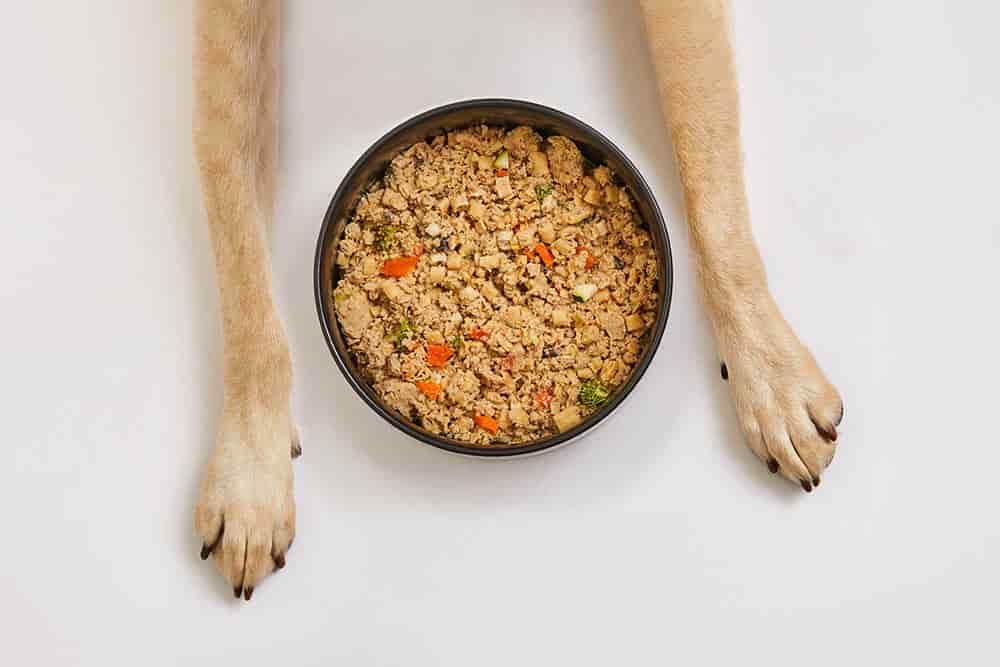
Adult dog food is formulated to support the health of dogs in their prime. Adult and adolescent dogs are growing and active, and need food with the calories and nutrients to support it. Young, physically active dogs need high-protein diets with plenty of fat to burn.
When dogs become seniors, they’re typically less active than they were in their puppy and adult years. This means they’re burning less energy on a regular basis, and don’t require nearly as many calories as puppies or adult dogs. Senior dog food contains less fat and calories, and more ingredients with health benefits for aging pups.
How Senior Dog Food Supports Aging Dogs
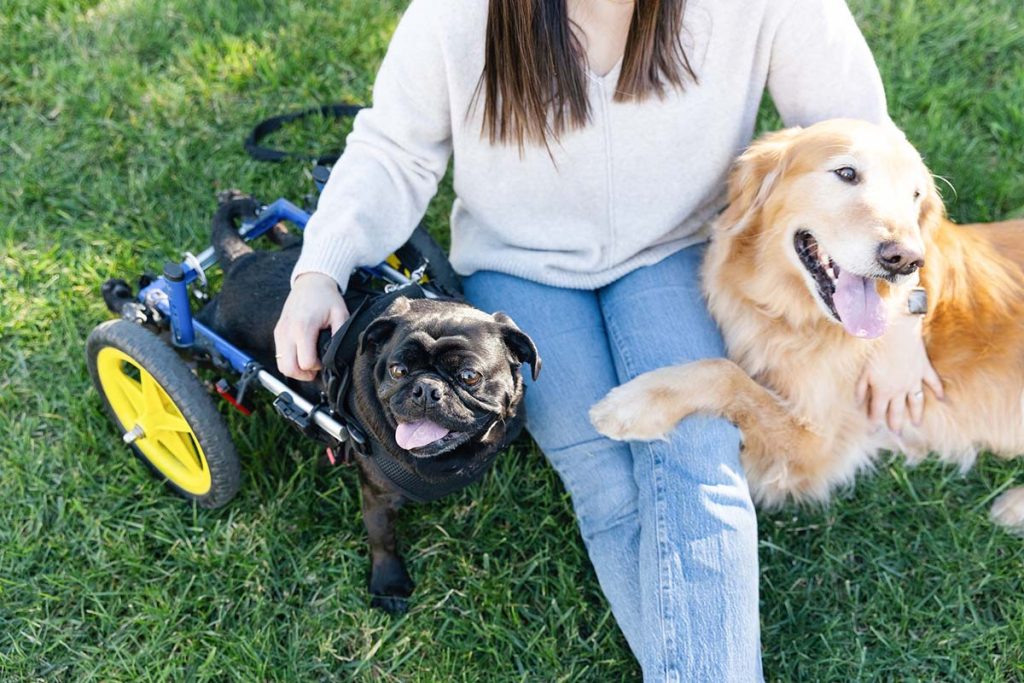
As mentioned, senior dog food is formulated differently than puppy or adult dog food to support the different needs of older dogs.
Controlled fat levels and increased protein
Senior dog food has fewer calories and a lower fat content than kibble or fresh dog food made for adult dogs. This is to support the decreased activity level most aging dogs experience, and to avoid issues like weight gain and obesity. Senior food for dogs often contains higher-quality protein sources. Since older dogs’ metabolisms are slower, they don’t process protein and other nutrients at the same rate as younger dogs.
Added nutrients for joint support
Nutrients such as glucosamine, chondroitin, and omega-3 fatty acids like eicosapentaenoic acid (EPA) and docosahexaenoic acid (DHA) support joint health in aging dogs. Diets with glucosamine and chondroitin may help stimulate cartilage growth in dogs and support joint health.
Fiber for digestive support
Increased or optimized fiber levels may help support healthy digestion and regular bowel movements. Aging dogs may experience slower digestion, and fiber may help maintain gut comfort and stool quality.
Antioxidants for overall wellness
Dogs need antioxidants during every stage of life, but making sure senior dogs are getting enough omega-3 fatty acids and omega-6 fatty acids is essential to keep up a healthy immune system, maintain a normal inflammatory response, and support normal heart function. They also help dogs maintain healthy skin and coat. Good sources of these nutrients include fish oil, algae oil, and fish that are good for dogs like salmon and sardines.
How to Transition to Senior Dog Food Safely
There are a few things you should know if you need to make the switch to a senior diet for your dog. Choosing the best pet food for mature pups may help with longevity and maintain their health for years to come.
- Talk to your vet first. Before making any dietary change, especially as your dog ages, a quick consultation with your veterinarian is worth it. Senior dogs are more likely to have underlying health conditions like kidney disease, diabetes, or joint issues that may call for a specific type of food rather than just any generic senior formula.
- Start the blend gradually. Begin by mixing about 25% senior food into 75% of the current food for the first couple of days. Then shift to a 50/50 mix, then 75% senior food, and finally make the full switch by around day 7–10.
- Keep feeding times consistent. Dogs thrive on routine, and senior dogs especially can become anxious or lose their appetite when schedules shift. Stick to the same times of day you’ve always fed your dog, even as the food itself changes.
- Watch for changes in stool and appetite. During the transition, pay close attention to how your dog is responding — loose stool, excessive gas, vomiting, or a sudden disinterest in food are all signs the switch may be happening too fast.
Types of Senior Dog Food
Dry Dog Food
Kibble is a popular choice for senior dogs because it’s convenient, affordable, and has a long shelf life. Many formulas designed for older dogs include balanced nutrients, joint-supporting ingredients like glucosamine, and controlled calories to help maintain a healthy weight.
Wet Dog Food
Wet dog food has a higher moisture content, making it a great option for senior dogs who may not drink enough water or have trouble chewing. It’s typically more flavorful and easier to eat, which may help stimulate appetite in older dogs. This type of food is especially beneficial for dogs with dental issues or sensitive digestion.
Custom Diets
Custom diets are tailored to meet a senior dog’s specific health needs, often based on factors like age, weight, activity level, and medical conditions. These diets can be created with the guidance of a veterinarian and may include fresh, home-cooked meals or specially formulated plans. The main benefit is precise nutrition, helping manage issues such as arthritis, kidney health, or food sensitivities.
Supporting your senior dog with balanced nutrition
Switching to senior dog food should be part of a broader approach to supporting healthy aging. Complete and balanced meals tailored to life stages can help support weight, mobility, digestion, and overall vitality.
JustFoodForDogs is an option for pet parents seeking fresh food, shelf-stable diets, and supplements that complement veterinary guidance for dogs at any life stage.
For senior dogs, JustFoodforDogs Nutrition Consultants typically recommend the Joint & Skin Support, Venison, and Balanced Remedy recipes. Ask your vet if any of them may be right for your older dog.