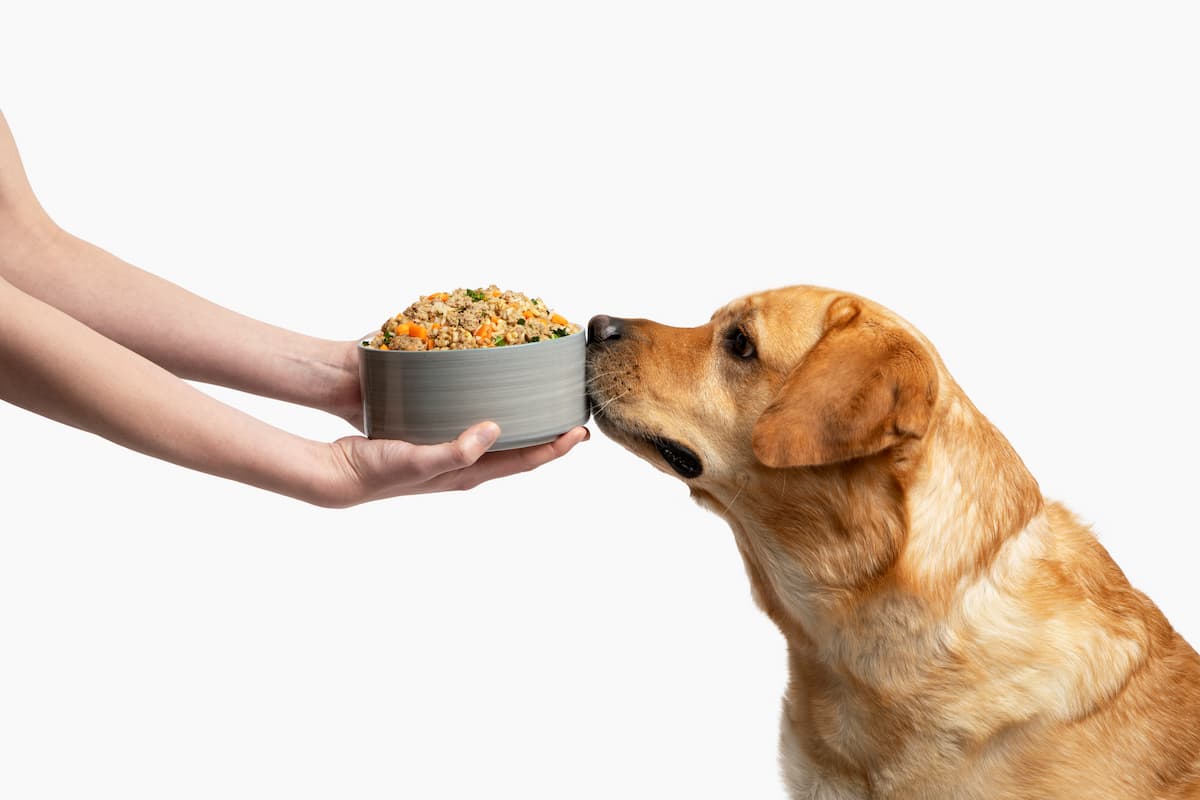
Bringing home a new puppy is a joyful experience, but it can also be a bit chaotic. The first few months with a new dog in the house are full of learning experiences. While raising a puppy and training your dog can feel overwhelming, building a strong foundation with positive reinforcement will help shape your dog for life. In this guide, we break down basic puppy training tips, crate training, and nutrition every new puppy parent should know.
Puppy Training: Establishing Routines and Structure
Puppies thrive on consistency (as do most humans). Dog training a puppy gives them a predictable schedule. They understand what’s expected, helping reduce anxiety as they adapt to their new home. Establishing a pattern your puppy can begin to follow will also create predictability for you as a new pet owner.
Build a Predictable Daily Routine
Your new puppy routine should include regular feeding times, daily training, leash walks, and physical activity. Puppies usually need 3-4 small meals per day. Keeping meal times consistent helps regulate your dog’s digestion and supports potty training. That being said, puppies need frequent potty breaks, typically every 2-3 hours and after they’ve eaten, gone for a nice leash walk, or after playtime activities.
Physical activity and mental stimulation are crucial for a puppy’s socialization, development, and overall health. On top of potty training, traditional obedience, and puppy training, make sure they’re getting plenty of playtime, socialization, toys, and enrichment activities.
Being your dog’s first trainer is a special responsibility. It’s up to you to teach, reward, and praise your pup for their hard work. Their socialization and obedience skills start right here.
Keep puppy training sessions short, but be sure to dedicate 10-15 minutes to dog training lessons throughout the day. The more predictable the routine, the faster your puppy learns what’s expected, and the happier you’ll both be. You can also consider obedience training or puppy training classes with a certified dog trainer. A professional can help with potty training your puppy, socialization, and good behavior.
Establish Gentle but Clear Structure
Key elements of consistent structured dog training for your puppy include reward-based training, proper supervision, and appropriate environments. Puppy training should focus on positive reinforcement by rewarding obedience with praise, treats, toys, or fun activities like extra playtime.
Start simple with obedience training by teaching recall, then teach your pup commands with basic verbal cues like sit, stay, come, heel, and leave it. These commands help build a solid foundation for puppy training and build strong communication between dog and trainer. Don’t forget, treats help a lot!
Since puppies are just learning how to behave on their own, they require almost constant supervision. This is why it’s so important to train your dog as early in puppyhood as possible.
Creating a safe, appropriate environment for your pup looks different depending on whether you’re there or not. While you’re present, your puppy’s surroundings should be comfortable and accessible. Allow them in multiple areas of the house, have toys, things to chew, or activities to keep your pup busy. Your puppy should be safely confined in a crate or a playpen any time you can’t have eyes on them or have them on a leash. This not only protects your puppy but also prevents unwanted behaviors, encouraging the habits of a well-behaved dog.
Crate Training: Getting Your Dog Comfortable in the Crate
Crate training is essential in the early days of puppy training. Not only does it keep them safe when you can’t supervise, it supports potty training by confining accidents. It also creates structure for bedtime and alone time, and teaches your puppy independence and important self-soothing skills. Crate training helps with leash training, obedience, and gives your dog a safe space of their own with their favorite toys and a comfy bed.
Start by choosing a crate large enough for your dog to stand up fully, turn around, and lie down comfortably. You can gradually introduce the crate by leaving the door open and placing something enticing inside, like treats or toys, using positive reinforcement to show your dog that desirable things come from going inside the crate. After your dog goes into the crate to sit on their own, start gently closing the door for short periods of time while you’re present.
A dog trainer or group training classes can also help you with strategies for getting your puppy comfortable in the crate and helping them become a well behaved dog. With patience and consistency, your dog will learn to relax and enjoy their crate as a cozy resting place.
Reliable Dog Crates Support Training and Safety
A reliable crate is one of the best investments you can make for a new puppy. Crate training supports housebreaking, keeps your puppy safe, and provides them with a cozy, secure place to rest.
Using a high-quality crate helps support puppy training, structure and your dog’s overall wellbeing. Puppies are more likely to settle into a comfortable, secure crate that feels intentionally designed as opposed to one that’s flimsy, cramped, or feels unsafe. Impact Dog Crates is known for producing premium, durable crates designed to grow with your dog.
Made from high-quality aluminum, these crates are built for durability. They’re made to withstand all the elements of puppyhood. They stand up against scratching, crate chewing, and rambunctious behavior. Top rated for safety, the crates are made with sturdy construction and strong latches to protect puppies and give pet owners peace of mind, even if their four-legged friends are prone to mischief now and then. The crates have plenty of airflow for good ventilation that keeps your dog comfortable, and are made with portability in mind, with many models being lightweight for easy travel.
Supporting Puppy Growth With High-Quality Nutrition
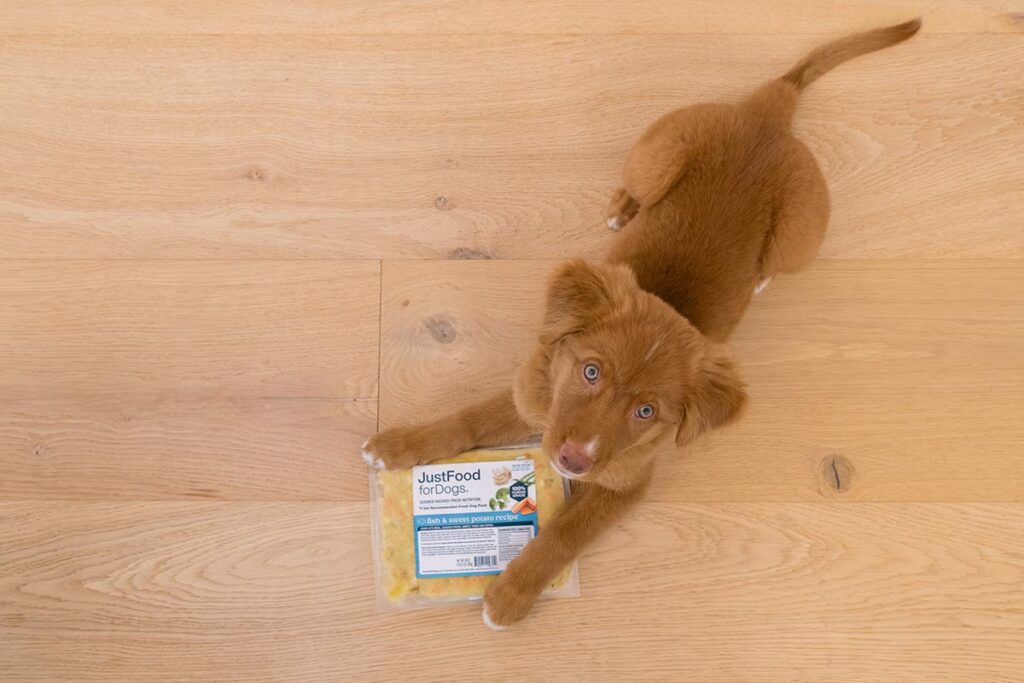
On top of proper puppy training, good nutrition is the foundation of a long, healthy life for your dog. Puppies need a balanced diet that supports their rapid growth. Their bones, muscles, and little pup immune systems are developing at an incredible rate. Choosing high-quality food is one of the most important decisions you’ll make for your dog’s long-term well-being.
Prioritize Proper Nutrition
The dog food you choose can significantly impact your puppy’s development and influence everything from behavior to health. A nutritious diet helps your pup maintain steady growth, support digestive and immune health, and maintain consistent energy levels. Diet also influences positive development of your dog’s cognitive functioning, and builds strong bones and joints for long walks and games of fetch for years to come.
Why Fresh Food Matters for Puppies
Puppies need easily digestible, nutrient-dense food that they can easily chew to support their rapid development. Many pet parents are turning toward fresh, whole-food diets made from real, whole foods that are full of ingredients formulated to meet the nutritional needs of growing dogs. Real ingredients tend to be easier on sensitive puppy stomachs, and fresh food formulas are designed to balance nutrition needs.
Food to Support Healthy Growth
Feeding your puppy fresh, whole ingredients can be a health and wellness game-changer. JustFoodForDogs is known for meals made from real, whole foods and restaurant-quality ingredients, created with veterinary nutritionists. Their fresh dog and puppy food formulas are specifically designed to ensure the right levels of protein, fat, vitamins, and minerals to support optimal growth for your puppy.
JustFoodForDogs aims to provide a high level of transparency and nutritional integrity for all its products. Their vet-developed recipes using human-grade ingredients are crafted to support puppies and dogs in all stages of life. Their custom feeding plans are perfect for pet parents who want only the best for their pup, individually tailored nutrition based on their dog’s breed, weight, age, and health needs.
What you do in the first weeks with your puppy will help shape their behavior and health for years to come. Consistency and thoughtful choices around routine, nutrition, and training environments will help your puppy grow into a confident, well-adjusted adult dog.
This content is for informational use only and does not replace professional nutrition and/or medical advice, diagnosis, or treatment. It is not a substitute for and should not be relied upon for specific nutrition and/or medical recommendations. Please talk with your veterinarian about any questions or concerns.