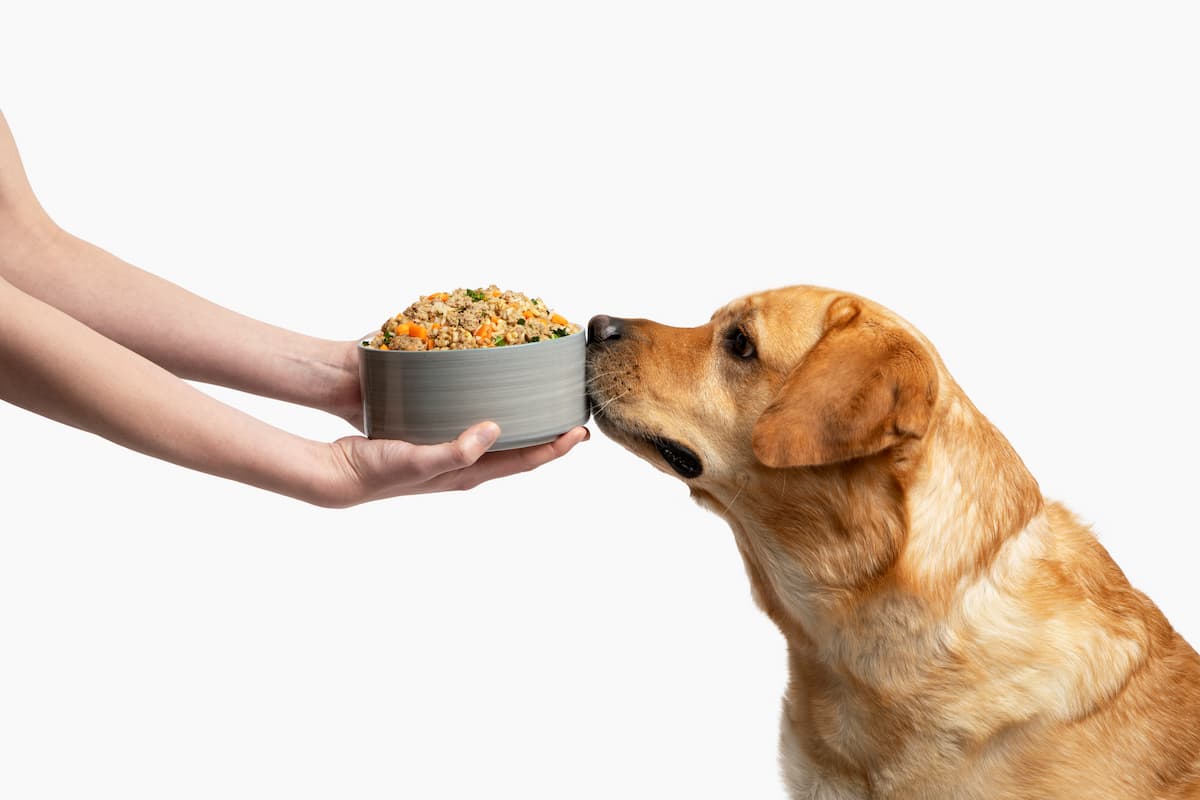
You’re watching your new puppy play when suddenly they let out a tiny, rhythmic “hic.” Then another. And another. For many new pet parents, that moment triggers an immediate wave of concern: Is something wrong? Should you call the vet? While dog hiccups can seem unusual or even amusing, they’re actually quite common in puppies and adult dogs alike.
That said, it’s natural to want to understand what’s happening inside your pup’s little body, what triggers these episodes, and what you can do to help. This guide walks you through everything you need to know about why dogs get hiccups, from what causes them to how to stop them safely and when a veterinary visit might actually be warranted.
What Are Puppy Hiccups?
Dog hiccups occur for similar reasons as they do in humans. Hiccups are involuntary spasms of the diaphragm, the dome-shaped muscle beneath the lungs that plays a central role in breathing. When the diaphragm contracts suddenly and without warning, it causes a rapid intake of breath. That breath is then cut short when the vocal cords snap shut, producing the familiar “hic” sound.
Is it normal for puppies to have hiccups? In puppies, these diaphragm spasms happen more frequently than in adult dogs for a few key reasons. Puppies have less developed nervous systems, which means the signals controlling the diaphragm are less refined. Their breathing patterns are also less steady, and they tend to do everything, from eating to playing to relaxing, with an intensity that can easily disrupt the diaphragm’s rhythm. As a puppy matures, hiccup episodes typically become less frequent.
Why Do Puppies Get Hiccups?
Understanding why dogs get hiccups can help you identify patterns in your puppy’s behavior and make small adjustments that may reduce how often they occur. Similar to humans, dogs can get hiccups for various reasons, most of which are not a major cause for concern. Here are some of the most common causes of hiccups in dogs.
Eating or Drinking Too Fast
One of the most common triggers is speed. When a puppy eats or drinks too quickly, they tend to gulp and swallow air along with their food or water. That extra air in the stomach can irritate the diaphragm and set off a round of hiccups. Fast eating also leads to digestive discomfort, which compounds the problem.
Digestive Upset or Gas
Even without rapid eating, a puppy’s digestive system is still developing and can be sensitive to certain foods or feeding patterns. Gas buildup in the stomach can push against the diaphragm and trigger spasms. An upset stomach from dietary changes or unfamiliar ingredients can also contribute to hiccups in dogs.
Excitement and Play
After a spirited play session, puppies are often breathing heavily and rapidly. That shift in breathing patterns, combined with the general physical excitement of running, jumping, and wrestling, can easily trigger the diaphragm. It’s not unusual to notice dog hiccups appearing right after your puppy has been especially active.
Stress or Emotional Arousal
Just as excitement can be the reason dogs get hiccups, so can stress. New environments, loud noises, separation anxiety, or meeting unfamiliar people or animals can cause a puppy to breathe erratically. That irregular breathing can irritate the diaphragm and bring on dog hiccups.
Temperature Changes
Inhaling cold air or eating cold food can cause a brief shock to the system that triggers hiccuping. Puppies who drink cold water quickly are particularly susceptible, as the combination of swallowing and temperature change can irritate both the stomach and diaphragm at once.
Growth and Developing Bodies
Sometimes, puppy hiccups don’t have a specific trigger at all. Young dogs are simply growing, and their organ systems, including the respiratory and digestive systems, are still maturing. Occasional, unexplained hiccups are just part of a dog’s development.
How to Stop Puppy Hiccups Safely
If your puppy has hiccups and you’d like to help them pass more quickly, several gentle techniques are worth trying. Avoid anything that startles or stresses your pup, as that can make things worse.
Offer Water
Encouraging your puppy to drink water can help reset the rhythm of the diaphragm. The act of swallowing interrupts the hiccup cycle and helps the diaphragm relax. Make sure your puppy drinks slowly rather than gulping, which could cause the hiccups to continue.
Calm the Puppy
If your puppy’s hiccups follow a bout of excitement or stress, bring the energy level down. Move to a quiet space, speak in a low, calm voice, and sit with them until they settle. Calmer breathing naturally reduces diaphragm spasms and can stop the hiccups without any other intervention.
Encourage Slower Breathing
Gently engaging your puppy in slow, calm activities can help regulate their breathing patterns. You can try slow, rhythmic petting along their back or chest to guide them toward deeper, steadier breaths. This works especially well when hiccups seem tied to overexcitement or rapid breathing after play.
Adjust Feeding Habits
If hiccups seem to follow meals consistently, the way your dog eats may be the issue. Using a slow-feeder bowl adds physical obstacles that force your puppy to eat at a slower pace, reducing how much air they swallow with each bite. Feeding smaller, more frequent portions can also help by reducing how aggressively a hungry pup digs into their food.
Gentle Distraction
Sometimes the simplest approach works best. A gentle belly rub, a slow walk, or offering a calm chew toy can shift your puppy’s attention and relax their body enough to stop the hiccups on their own. Light physical engagement also promotes steady breathing, which helps settle the diaphragm.
Preventing Frequent Hiccups
While you can’t eliminate dog hiccups entirely, consistent habits can significantly reduce how often your puppy experiences them.
- Use a slow-feeder bowl: Slow-feeder bowls are one of the most effective tools for preventing hiccups tied to mealtime. By slowing the pace at which your dog eats, they swallow less air and put less immediate pressure on the stomach and diaphragm.
- Maintain structured play and rest routines: Alternating active playtime with calm rest periods prevents your puppy from becoming overstimulated. A dog that winds down properly between activities tends to have more regulated breathing and fewer hiccup episodes.
- Stick to consistent feeding portions: Overfeeding can lead to stomach distension, which puts upward pressure on the diaphragm. Following age- and weight-appropriate portion guidelines helps keep your puppy’s digestive system running smoothly.
- Create a calm feeding environment: Stress and competition at mealtimes, especially in multi-pet households, can cause puppies to eat faster and inhale more air. Feeding your pup in a quiet, low-distraction space encourages a slower, more relaxed pace.
- Avoid dramatic temperature shifts around feeding: Very cold water or food right before or after meals can irritate the stomach and diaphragm. Offering room-temperature water and avoiding temperature extremes at mealtimes can make a meaningful difference.
When Should You Seek Veterinary Advice for Dog Hiccups?
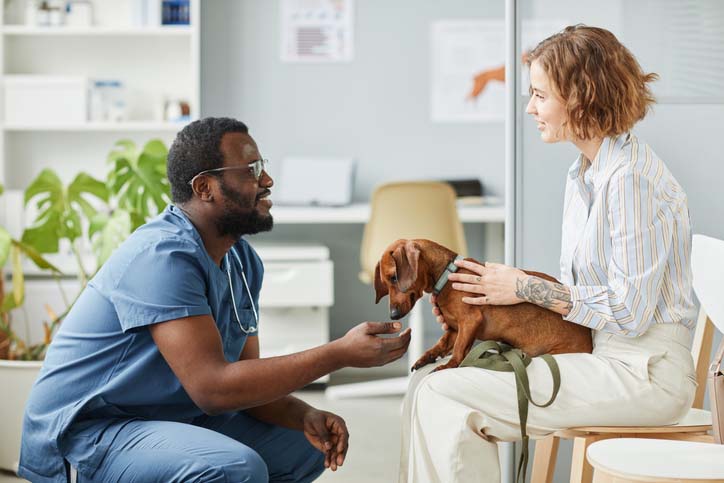
Occasional, short-lived hiccups are a normal part of puppyhood. Though dog hiccups are usually harmless, some cases do call for a veterinary evaluation.
- Hiccups that last longer than an hour: Generally, dog hiccups are short-lived and will pass on their own. Persistent hiccups lasting well over an hour, or recurring multiple times per day over several days, warrant a veterinary evaluation.
- Difficulty breathing: If your puppy seems to be struggling to catch their breath, is wheezing, or appears to be working hard to inhale during or after a hiccup episode, contact your vet promptly. This could signal respiratory issues such as pneumonia or an airway obstruction.
- Coughing alongside hiccups: Hiccups and coughing that occur together can sometimes be confused with reverse sneezing, but may also indicate an underlying issue affecting the airway or lungs. A veterinarian can help distinguish between the two.
- Lethargy or loss of appetite: If your puppy seems unusually tired, disinterested in food, or behaving differently during or after hiccup episodes, those are symptoms worth reporting to your vet. These signs can point to illness beyond simple diaphragm irritation.
- Vomiting or other digestive symptoms: Hiccups accompanied by vomiting, excessive drooling, or signs of an upset stomach may indicate a digestive condition that needs veterinary attention.
Help Your Puppy Feel Comfortable as They Grow
Hiccups are a normal and largely harmless part of puppyhood. Most episodes resolve on their own within minutes and cause no distress whatsoever. Still, paying close attention to your puppy’s routine, particularly how and what they eat, can help reduce common triggers like rapid eating, swallowed air, and digestive irritation.
Supporting steady digestion through a consistent, well-balanced diet is one of the most reliable ways to keep your pet feeling comfortable. Fresh, vet-guided meal plans can help maintain predictable digestion and support breathing comfort as your puppy grows.
Options like JustFoodForDogs’ Fresh Frozen Chicken & Rice and Fish & Sweet Potato are formulated to be gentle on developing digestive systems and provide a consistent nutrient balance, making them worth exploring with your veterinarian as part of a long-term puppy wellness routine.
Final Thoughts
Hiccups in dogs are usually a normal and often amusing phenomenon. As long as they aren’t accompanied by symptoms that indicate something more serious is going on, you usually don’t have to intervene. If they go on for too long or happen too frequently, this guide has some helpful steps you can take to help stop them.