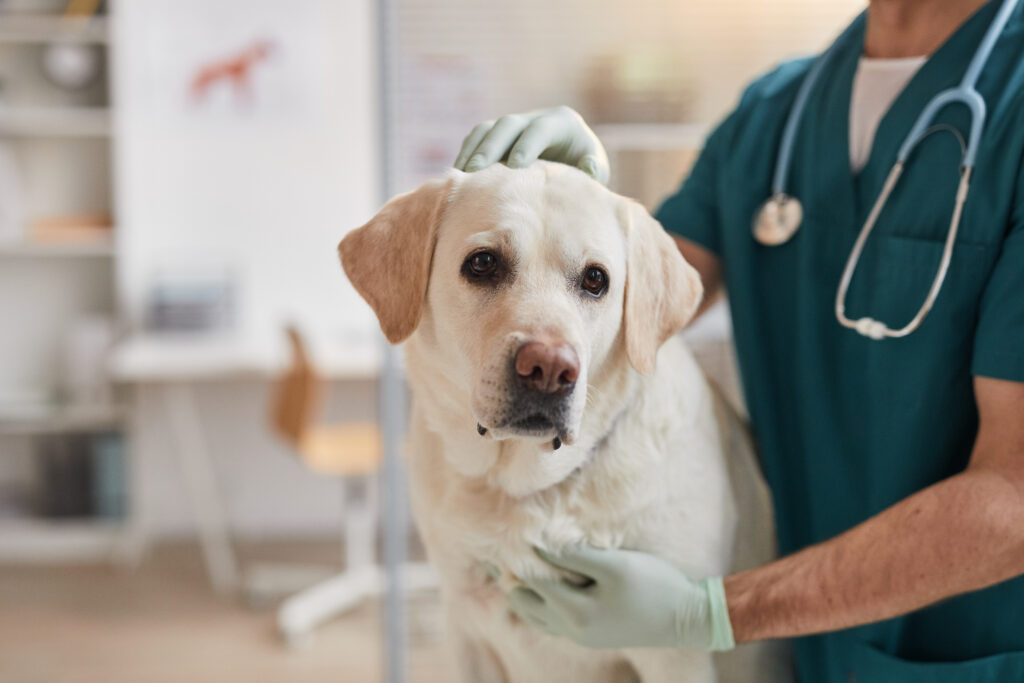
Cancer is a common diagnosis in our canine friends, with lymphoma accounting for up to 14% of cancer diagnoses. Finding out or suspecting that your pet has cancer can be overwhelming, but being well-informed about the disease, including symptoms and treatment options, can help.
Here is what pet owners should know about the signs of lymphoma in dogs, how vets diagnose it, and what treatment may involve.
What is lymphoma in dogs?
Lymphoma, also called lymphosarcoma, is a type of cancer that starts in lymphocytes, a type of white blood cell that plays a key role in immune function. In healthy dogs, lymphocytes help fight infections and protect the body from disease. In dogs with lymphoma, lymphocytes multiply and accumulate in lymph nodes.
Lymph nodes are the “glands” you can feel in your neck when you get sick, but there are many of them located throughout the body. These lymph nodes are connected by lymphatic vessels that drain into blood vessels, making it easy for lymphoma to spread.
Lymphoma can start anywhere in a dog’s body, and there are many different types that cause variable effects. Some forms of lymphoma spread and rapidly make dogs sick, while others can be managed over time.
The general categories of lymphoma in dogs include:
- Multicentric lymphoma: This common type accounts for about 80% of cases. It affects lymph nodes in many areas all over the body.
- Gastrointestinal lymphoma: This type affects the stomach and intestines, causing signs that mimic other digestive conditions, especially inflammatory bowel disease (IBD).
- Mediastinal lymphoma: This less common form develops in lymphoid tissue in the chest.
- Extranodal lymphoma: Lymphoma that occurs outside of the lymphatic system is referred to as “extranodal,” because it isn’t contained within a lymph node. This type can occur anywhere, such as in the skin (cutaneous lymphoma), eyes, kidney, or spleen.

Common signs and symptoms of lymphoma in dogs
Signs of lymphoma in dogs can be subtle at first and may change depending on where the cancer is located. Many of the early symptoms are also common in other conditions, so it’s important to schedule a visit with your vet if you notice any changes in your pet’s health.
The most common signs of lymphoma in dogs include:
- Swollen lymph nodes: These appear as firm, painless lumps in the neck (submandibular), in front of the shoulders (prescapular), in the armpits (axillary), near the groin (inguinal), or behind the knees (popliteal). Dogs with swollen lymph nodes may also have a fever.
- Lethargy or loss of appetite: Dogs may be more tired than usual or less interested in their usual walks, playtime, or food.
- Weight loss: Cancer can change a dog’s metabolism, causing them to lose weight or muscle mass even if they continue to eat well.
- Increased thirst and urination: Lymphoma may cause high blood calcium (i.e., hypercalcemia), which can make dogs drink more water than usual and urinate more frequently.
- Vomiting or diarrhea: Dogs with GI lymphoma may have chronic or intermittent vomiting or diarrhea.
- Other signs: Advanced lymphoma that affects the whole body or major organs may cause various symptoms, such as weakness, pale gums, eye inflammation, or odd behavior. Difficulty breathing can occur if cancer spreads to the lungs, which requires immediate veterinary attention.
What causes lymphoma in dogs?
Veterinary researchers don’t fully understand what causes lymphoma in dogs. Like other cancers and illnesses in dogs, a combination of factors may contribute to a dog’s overall risk.
- Breed predisposition: Lymphoma is reported more frequently in certain breeds, including golden retrievers, boxers, and rottweilers.
- Age: Lymphoma typically affects middle-aged to older dogs.
- Genetic factors: Chromosomal or DNA abnormalities could increase the risk of lymphoma in individual dogs.
- Environmental exposures: Some studies have explored possible links between lymphoma and exposure to herbicides, chemicals, viruses, or bacteria.
- Immune system problems: In humans, immune suppression is a known risk factor for lymphoma. While the connection is not clearly established in dogs, immune dysfunction may play a role.
In general, we don’t know a lot about why some dogs get cancer while others don’t. Understanding this is a major area of research in both human and veterinary medicine.

How lymphoma in dogs is diagnosed
Veterinarians use a series of tests to diagnose lymphoma in dogs and to determine if and how far the disease has spread. Diagnostics may include:
- Physical exam to check for enlarged lymph nodes, skin or abdominal changes, and any other abnormalities.
- Fine needle aspirate or lymph node biopsy to check for cancer cells in a swollen lymph node or any suspicious lesions on organs like the skin, liver, or spleen.
- Blood work and urinalysis to check organ function, calcium levels, and white and red blood cell counts.
- Imaging, including chest X-rays and abdominal ultrasound, to check for signs of lymphoma that has spread to the lungs or organs.
Once lymphoma is diagnosed, your vet may order additional tests to help determine the disease stage and, in some cases, the exact subtype of lymphoma your dog has.
Lymphoma in dogs treatment options
Cancer is always a scary diagnosis, but many types of lymphoma respond well to treatment. Unfortunately, a permanent cure for cancer is not usually possible. But in many cases, treatment can cause the cancer to go into remission, preserving your dog’s quality of life for several months or even a year or more.
Only a veterinarian or veterinary cancer specialist (i.e., veterinary oncologist) can diagnose and treat canine lymphoma. Learning your options is the first step in determining the right treatment approach for your dog, which may include:
- Chemotherapy: Multi-drug chemotherapy protocols given over several months are highly effective against many types of lymphoma.
- Combination therapies: When traditional chemotherapy isn’t an option, oral chemotherapy or other anti-cancer drugs may be given at home.
- Steroid therapy: Oral steroids like prednisone can improve lymphoma symptoms and quality of life for a short time when other treatments are not pursued.
- Supportive and ongoing care: Dogs with lymphoma, whether undergoing treatment or not, need regular follow-up veterinary visits and supportive care, including medications to manage comfort, disease effects, or treatment side effects.
Cancer treatment in dogs is not the same as in people. The goal of treatment in dogs is to preserve quality of life for as long as possible, which may be only a few days or as long as a few years.
Chemotherapy doses used for pets are much lower than those used for people to minimize side effects. Fewer than 5% of dogs have serious side effects, but other factors go into the decision to pursue treatment, which should be made in close consultation with your dog’s veterinary team.
Living with a dog diagnosed with lymphoma
Caring for a dog diagnosed with lymphoma requires careful attention to their comfort and close communication with your vet. Because lymphoma can get worse quickly, you’ll need to:
- Monitor for changes: Note your pet’s appetite, energy level, daily habits, and any new or worsening symptoms. Inform your vet when anything changes.
- Follow up with your vet: Dogs with lymphoma need frequent checkups so your vet can assess their overall health status, adjust medications, and discuss what to expect.
- Adjust activity: Let your dog set the pace. Some days they may feel energetic, while other days they may prefer to rest.
- Support overall health: Good-quality nutrition, low-impact exercise, daily cuddle time or play sessions, and other aspects of general care are important when supporting a pet through an illness like lymphoma.
- Monitor quality of life: Lymphoma is a progressive and often terminal disease. If your dog’s cancer stops responding to treatment or their quality of life declines, your vet can discuss comfort care (i.e., palliative care or hospice) or other end-of-life options.
Prognosis and what to expect over time
The prognosis for dogs with lymphoma varies depending on the type of lymphoma, the stage at diagnosis, the treatment pursued, and the dog’s response to treatment. Dogs treated with chemotherapy may go into remission for an average of 9 to 13 months, but the cancer will eventually come back. With additional treatment, a second remission is possible.
Most dogs diagnosed with lymphoma will eventually pass away or be euthanized because of the disease. Sometimes, older dogs with lymphoma who go into remission may pass away from another disease or condition unrelated to their cancer. Each pet’s prognosis is different, and different families choose different treatment paths.
Your dog’s veterinarian and oncology team are the best resources to help you make treatment decisions that are best for your pet and that align with your goals and values while ensuring your pet’s comfort and quality of life for as long as possible.
Key takeaways about lymphoma in dogs
Lymphoma is a common cancer in dogs, but with early recognition, treatment options are available. Understanding lymphoma symptoms, diagnosis, and treatment can help you make informed decisions about your pet’s care and focus on maintaining quality of life in dogs living with cancer.
While diet can’t treat lymphoma in dogs, feeding a complete, balanced food can support your pet’s overall well-being. If your dog is diagnosed with lymphoma, ask your veterinary team which JustFoodForDogs whole-food, human-grade formula might be right for them.