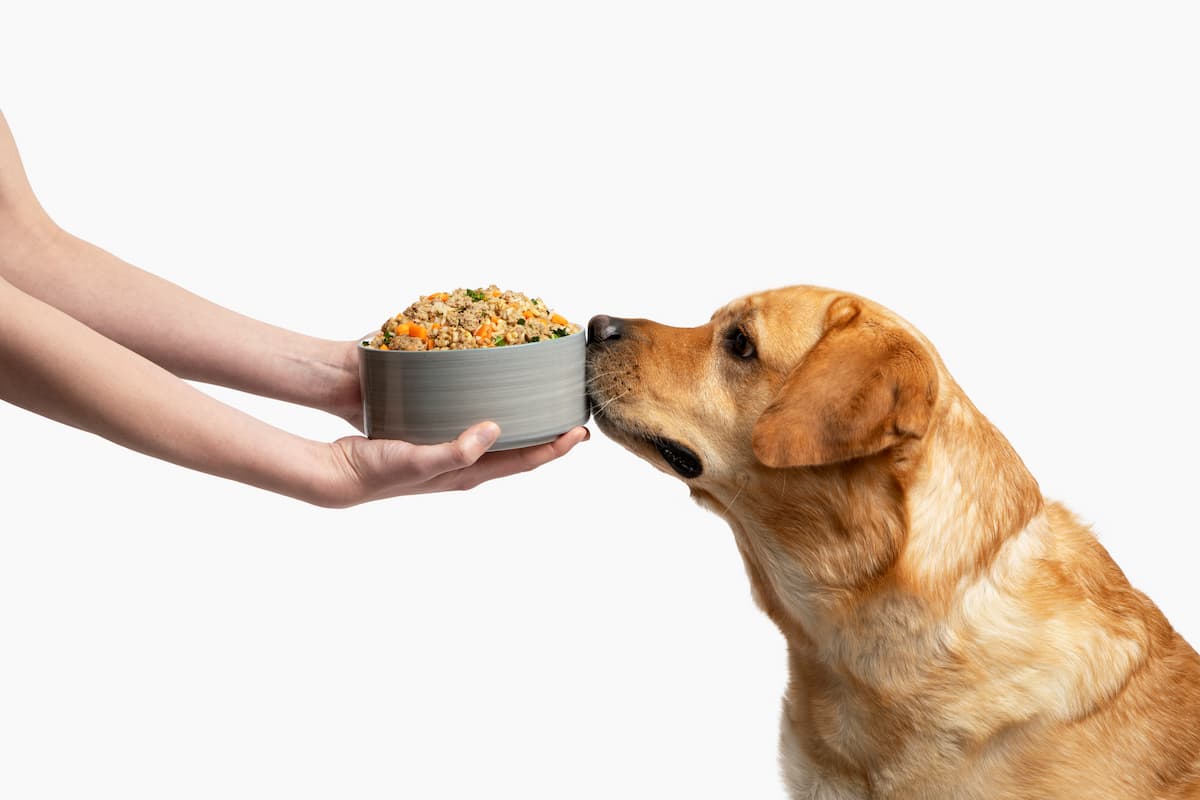
- Yes, dogs can eat carrots, raw or cooked, as long as they're prepared and served appropriately.
- Carrots are low in calories and provide fiber, beta-carotene and antioxidants that can help support healthy eyes, skin and coat, and that's not all.
- Treat carrots as a snack, not a meal. Keep them to no more than about 10 percent of daily calories, from one or two slices for small dogs up to a large handful for dogs over 90 pounds.
- Cut carrots into bite-sized pieces, and serve them plain, with no butter, oil, salt, onion or garlic. Skip carrot cake and other human baked goods, which can contain xylitol.
Carrots are a kitchen staple, and they’re yummy cooked or raw. When your floof is begging for you to share your carrot snack, you may wonder, “Are carrots safe for dogs?”
They are! Many dogs can eat carrots whether they’re raw or cooked when they’re prepared and served appropriately.
Carrots are low in calories and provide fiber, beta-carotene, antioxidants and other nutrients that can make them a healthy treat for many dogs. However, before offering your dog carrots, here’s what pet parents should know about the benefits of carrots for dogs, how to serve them safely and how many carrots your dog can eat.
Are carrots good for dogs?
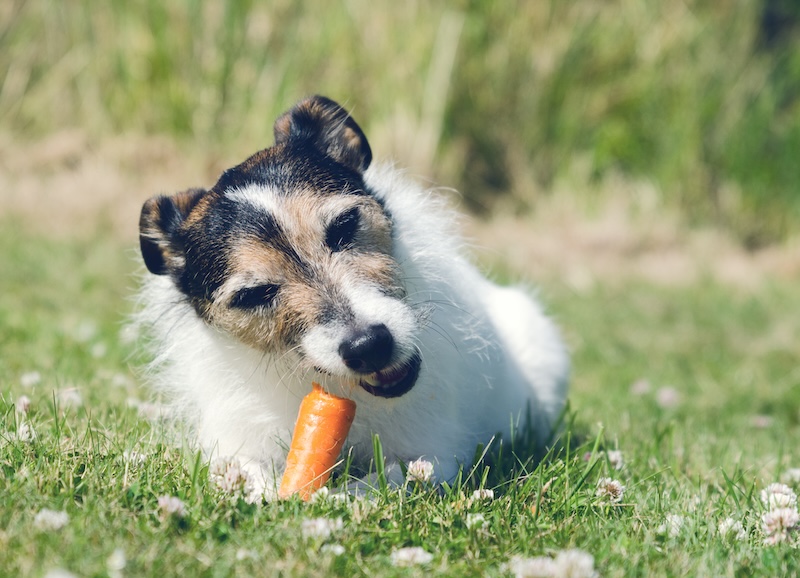
Yes, carrots are safe for most dogs and can be a healthy treat when served in moderation. The benefits of carrots for dogs come from their fiber, antioxidants, vitamins and minerals, while their relatively low calorie content makes them a nutritious alternative to many higher-calorie dog treats.
Some of the nutrients and potential benefits of carrots include helping support:
- Eye health: Carrots are rich in beta-carotene, an antioxidant that the body can convert to vitamin A. Vitamin A supports normal vision and eye health.
- Skin and coat health: Vitamin A plays an important role in helping maintain a healthy skin and coat.
- Immune function: Nutrients and antioxidants in carrots, including beta-carotene, may help support normal immune function and protect cells from oxidative damage.
- Heart health: Carrots provide potassium, an essential mineral involved in normal heart, muscle and nerve function.
- Energy metabolism: B vitamins found in carrots help the body convert nutrients from food into energy and support normal metabolism.
- Digestive health: Carrots provide dietary fiber, which can support healthy digestion and regular bowel movements.
- Weight management: Their fiber and relatively low-calorie content can make carrots a satisfying healthy treat for dogs who need to watch their calorie intake.
- Dental health: Crunching raw carrot pieces may help mechanically remove some food debris from the teeth, although carrots aren’t a substitute for regular dental care.
Carrots can be beneficial for dogs, but they’re still a treat rather than a necessary source of these nutrients. Dogs should get the majority of their nutrition from a complete and balanced diet.
Are carrots bad for dogs?
Carrots aren’t bad for most dogs when served appropriately, but too much of a healthy food can still cause problems. Keep these potential risks in mind when sharing carrots with your pooch:
- Natural sugar: Carrots contain natural sugars. Feeding too many adds unnecessary calories and may contribute to weight gain over time.
- Too many treats: Carrots and other treats should make up no more than about 10 percent of your dog’s daily calories, according to veterinary consensus, so they don’t displace the nutrients provided by a complete and balanced diet.
- Choking or blockage: Whole carrots or large chunks can be a choking hazard, particularly for small dogs or dogs that gulp their food. Cut carrots into appropriately sized pieces before serving.
- Digestive upset: The fiber in carrots can be beneficial, but eating too much may lead to gas, vomiting or diarrhea. Introduce carrots gradually and stick to appropriate portions.
- Carrot-based human foods: Carrot cake and other baked goods may contain high amounts of sugar and fat or ingredients that aren’t safe for dogs. Xylitol, for example, is highly toxic to dogs. If you want to make your pup something special, choose a cake recipe designed specifically for dogs instead.
If your dog eats a large amount of carrots or develops vomiting, diarrhea, lethargy or other concerning symptoms after eating them, contact your veterinarian for guidance.
How to safely feed carrots to dogs
Dogs can eat both raw and cooked carrots. Whichever way you serve them, a few simple preparation steps can make this healthy treat safer and easier for your dog to enjoy.
- Wash carrots thoroughly: Rinse fresh carrots under running water to remove dirt and debris. Peeling is optional.
- Cut them into appropriately sized pieces: Slice carrots into small, bite-sized pieces based on your dog’s size and eating habits. Avoid giving whole carrots or large chunks that could pose a choking risk.
- Serve them raw or cooked: Raw carrots provide a satisfying crunch, while cooking softens their texture and may make beta-carotene easier for the body to access for some dogs. Steaming or boiling are simple options. Frozen carrots can also make a crunchy snack, but cut them into appropriately sized pieces to reduce the risk of choking.
- Keep cooked carrots plain: Don’t add butter, oil, salt or other seasonings. Plain carrots are all your pooch needs.
- Avoid onion and garlic: Never serve carrots cooked with onions, garlic, or sauces and seasonings containing these ingredients, which can harm dogs.
- Choose dog-safe carrot treats: If you want to go beyond plain carrots, stick with dog treats or recipes made specifically for dogs rather than carrot cake and other human baked goods.
Introduce carrots gradually if they’re new to your dog’s diet. Start with a small amount to see how your dog tolerates them before offering a larger portion.
How many carrots can a dog eat?
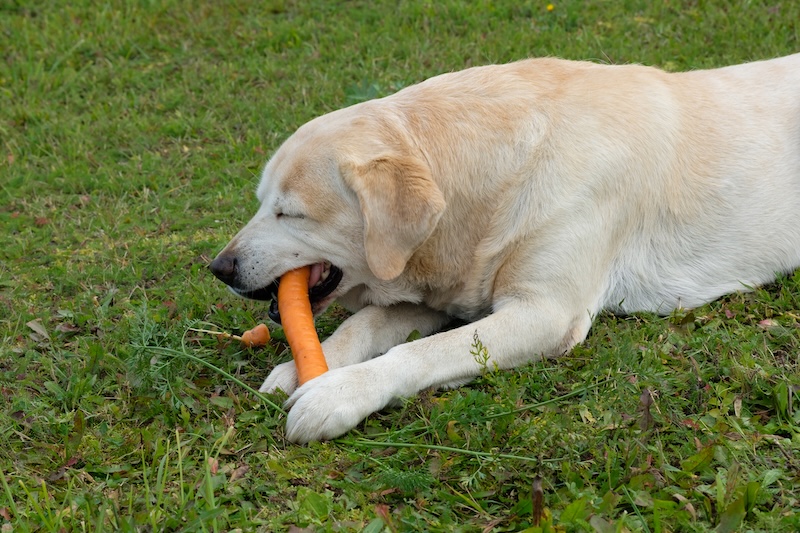
You know the saying, “Everything in moderation”? That applies to feeding carrots to your dog, too.
Any kind of treat, including carrots, should make up no more than about 10 percent of your dog’s daily calories. The rest should come from a complete and balanced dog food diet.
So, how many carrots can a dog eat? It depends in part on your dog’s size, along with other factors like activity level, health status, breed, life stage and more.
The following general serving guidelines can help, but you should always consult with a veterinarian before feeding any new food to your dog. Your vet can provide specific guidelines for your individual dog. (These are general estimates, not exact feeding guides. Work with your vet for the appropriate amount of carrot to give to your pet.)
- 2–20 pounds — Examples include yorkies, chihuahuas and pomeranians: one or two carrot slices
- 21–30 pounds — Examples include beagles and basenjis: up to three carrot slices
- 31–50 pounds — Examples include basset hounds, Australian cattle dogs and border collies: five to six carrot slices
- 51–90 pounds — Examples include pit bulls, Labrador retrievers and German shepherds: a handful of carrot slices
- 91+ pounds — Examples include Bernese mountain dogs, St. Bernards and Newfoundlands: a large handful of carrot slices
What other vegetables can dogs eat?
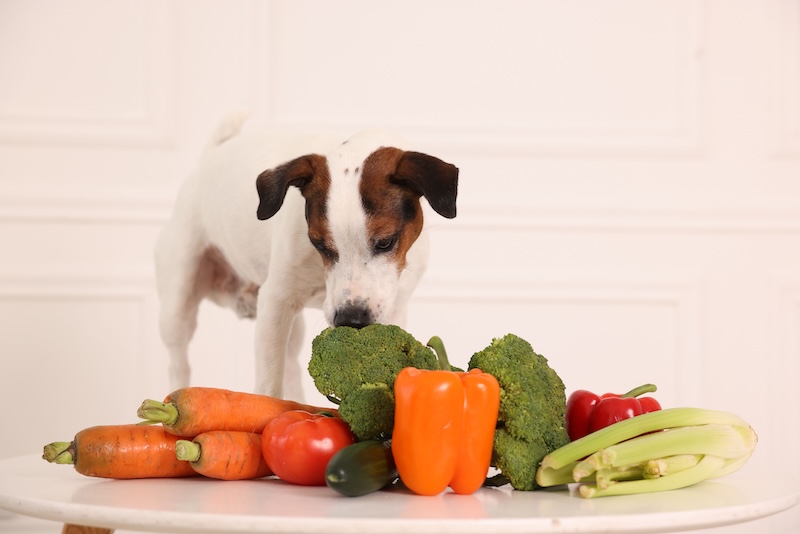
Carrots aren’t the only vegetables dogs can enjoy. When prepared appropriately and served in moderation, several other vegetables can make healthy treats or additions to your dog’s regular meals.
- Broccoli: Dogs can eat broccoli raw or cooked in small amounts. Cut it into bite-sized pieces, and serve it plain.
- Brussels sprouts: Brussels sprouts provide fiber and nutrients, but too many may cause gas. Cook them plain, and cut them into appropriately sized pieces.
- Celery: Celery is low in calories and provides fiber and several vitamins and minerals. Chop it into small pieces to reduce the risk of choking.
- Cucumbers: Cucumbers are another low-calorie, hydrating option that can be served raw in appropriately sized pieces.
- Green beans: Plain green beans can be served raw, steamed or cooked. Avoid canned varieties with added salt or other seasonings.
- Peas: Dogs can eat plain fresh, frozen or cooked peas in moderation. Avoid canned peas with added sodium.
- Spinach: Dogs can eat small amounts of plain spinach, although it isn’t a vegetable they need in their diets.
- Zucchini: Plain raw or cooked zucchini is generally safe for dogs and is relatively low in calories.
No matter which vegetables you share with your dog, introduce new foods gradually, and keep extras within their overall treat allowance. Carrots and other vegetables are just some of the human foods dogs can eat. Pet parents may also wonder about sharing fruits like bananas, or other foods, such as fish, pasta and dark meat chicken. Check that each food is safe for dogs, and serve it appropriately before sharing it with your pooch.
A balanced diet is the foundation of your dog’s health
Carrots can be a healthy treat for dogs, but even nutrient-rich extras are only one small part of supporting your dog’s health and well-being. Along with good nutrition, your dog needs regular exercise, veterinary care and paying attention to your dog’s behavior, including potential signs of stress.
Your dog’s regular dog food should provide complete and balanced nutrition appropriate for its life stage and individual needs.
Whether you offer carrots or other dog-safe foods as an occasional snack, keep treats within your dog’s daily calorie allowance so they complement rather than replace balanced meals.
Want to add more carrots to your pooch’s menu? Explore foods made with carrots.
Looking for more ways to reward your pooch? Explore dog treats made with ingredients you can feel good about.
Frequently asked questions
Can dogs eat cooked carrots?
Yes, dogs can eat cooked carrots. Cooking softens carrots, which can make them easier to chew and may make some nutrients, including beta-carotene, more available for absorption. Steam or boil carrots until tender, and serve them plain without butter, oil, salt or seasonings.
Can puppies eat carrots?
Yes, puppies can eat carrots as an occasional snack once they’re eating solid food. Cut raw or cooked carrots into small, bite-sized pieces to reduce the risk of choking, and introduce them gradually to see how your puppy tolerates them. Treats like carrots should complement, rather than replace, a complete and balanced diet formulated for growth.
Are carrots a laxative for dogs?
No, carrots aren’t considered a laxative for dogs. They contain dietary fiber, which can support normal digestion and regular bowel movements, but eating too many carrots may cause digestive upset or loose stools in some dogs.
If your dog is constipated or has ongoing diarrhea or other digestive symptoms, contact your veterinarian rather than using carrots as a home remedy.
- Green AS, Fascetti AJ. Meeting the Vitamin A Requirement: The Efficacy and Importance of β-Carotene in Animal Species. ScientificWorldJournal. 2016;2016:7393620. doi: 10.1155/2016/7393620. Epub 2016 Oct 19. PMID: 27833936; PMCID: PMC5090096.
- Jewell DE, Motsinger LA, Paetau-Robinson I. Effect of dietary antioxidants on free radical damage in dogs and cats. J Anim Sci. 2024 Jan 3;102:skae153. doi: 10.1093/jas/skae153. PMID: 38828917; PMCID: PMC11185959.
- Murray PA, Belloni FL, Sparks HV. The role of potassium in the metabolic control of coronary vascular resistance of the dog. Circ Res. 1979 Jun;44(6):767-80. doi: 10.1161/01.res.44.6.767. PMID: 428071.
- Habermaass V, Cogozzo A, Bartoli F, Vitelli V, Dini R, Marchetti V. Water-Soluble Vitamins (Riboflavin, Niacin, Pantothenic Acid) in Dogs with Chronic Liver Disease vs. Healthy Controls. Vet Sci. 2025 Sep 11;12(9):877. doi: 10.3390/vetsci12090877. PMID: 41012802; PMCID: PMC12474323.
- Eisenhauer L, Vahjen W, Dadi T, Kohn B, Zentek J. Effects of Brewer's spent grain and carrot pomace on digestibility, fecal microbiota, and fecal and urinary metabolites in dogs fed low- or high-protein diets1. J Anim Sci. 2019 Oct 3;97(10):4124-4133. doi: 10.1093/jas/skz264. PMID: 31418796; PMCID: PMC6776304.
- Enlund KB, Pettersson A, Eldh AC. Dog Owners' Ideas and Strategies Regarding Dental Health in Their Dogs-Thematic Analysis of Free Text Survey Responses. Front Vet Sci. 2022 May 3;9:878162. doi: 10.3389/fvets.2022.878162. PMID: 35591871; PMCID: PMC9113195.
- Príncipe LA, Marchi PH, Amaral AR, Pedrinelli V, Zafalon RVA, Romano FS, Balieiro JCC, Vendramini THA. Assessment of the Nutritional Impact of the 10% Snack Recommendation in Pet Diets. Vet Sci. 2025 Mar 18;12(3):282. doi: 10.3390/vetsci12030282. PMID: 40266981; PMCID: PMC11945345.
- Burrows CF, Kronfeld DS, Banta CA, Merritt AM. Effects of fiber on digestibility and transit time in dogs. J Nutr. 1982 Sep;112(9):1726-32. doi: 10.1093/jn/112.9.1726. PMID: 6286909.
- U.S. Food and Drug Administration. (2025, December 17). Paws off xylitol; it's dangerous for dogs.
- Hayes, C. (2024, September). Garlic and onion (Allium spp) toxicosis in animals. In Merck veterinary manual (Professional version). Merck & Co.
- Kersbergen I, German AJ, Westgarth C, Robinson E. Portion size and meal consumption in domesticated dogs: An experimental study. Physiol Behav. 2019 May 15;204:174-179. doi: 10.1016/j.physbeh.2019.02.034. Epub 2019 Feb 26. PMID: 30817974; PMCID: PMC6488012.
- AKC Staff. (2023, April 26). Breed weight chart. American Kennel Club.
- AKC Staff. (2026, August 4). Fruits and vegetables dogs can or can't eat. American Kennel Club.