
If your dog scratches constantly, struggles with digestive issues, or reacts to certain foods, you’ve likely started reading ingredient labels more carefully. As awareness of food sensitivities in dogs continues to grow, more pet owners are turning to the best limited-ingredient dog food for a cleaner, more transparent approach to feeding. This guide breaks down what limited-ingredient dog food is, what to look for and avoid, and how to choose the right option for your dog, with practical information to support a more informed conversation with your veterinarian.
What Is Limited-Ingredient Dog Food?
Limited-ingredient dog food is food that contains a single source of protein and a single source of carbohydrate. These diets are generally used for dogs with food sensitivities or allergies to certain sources of proteins or other common ingredients used in most dog diets.
The goal of a limited ingredient diet is to reduce your dog’s exposure to potential allergens while still delivering complete and balanced nutrition. Although this type of diet contains fewer ingredients than standard types of dog food, limited-ingredient food products still provide all of the necessary nutrients your dog needs. Think of it as a simplified diet, one that makes it easier to track exactly what your dog eats and identify anything that may not agree with them.
So, what is the best limited-ingredient dog food? The answer depends on your dog’s specific needs, but certain ingredient categories consistently appear in high-quality formulas across the board.

Best Limited-Ingredient Diets by Category
There are a number of categories to consider when choosing a limited-ingredient diet for your furry friend.
Single-Source Animal Protein
Single-protein dog food anchors every quality, limited-ingredient recipe. In order for a recipe to be considered a limited-ingredient diet, it should only contain one source of animal protein. This means that if the recipe contains both turkey and beef, then it wouldn’t be a limited-ingredient dog food.
Common animal protein sources include turkey, chicken, lamb, and beef. Limited-ingredient dog food often uses a protein source less common than beef or chicken, such as lamb, fish, or venison. A turkey turkey recipe. meaning a formula built entirely around turkey as the single protein, including turkey meal, is a popular choice in both dry dog food and wet food formats.
Easily Digestible Carbohydrates
Carbohydrates provide energy and support digestion. Single-source carbohydrates like oatmeal, rice, or quinoa are ideal. Whole grains like brown rice, barley, and oatmeal serve as digestible carbohydrate sources in grain-inclusive recipes, while grain-free limited-ingredient dog food formulas often use potatoes or peas instead. Healthy grains such as brown rice and barley provide fiber, B vitamins, and steady energy, making them a valuable component for dogs that tolerate grain well.
Healthy Fats
Fat delivers essential fatty acids that support skin, coat, and overall cellular function. Fish oil and flaxseed provide omega-3 and 6 fatty acids to help support skin and coat health. These fats appear in many of the best limited-ingredient dog food options, including those from Blue Buffalo Basics, which features both fish oil and flaxseed in its recipes.
Essential Vitamins and Minerals
Even simplified recipes must meet complete nutritional standards. Your dog requires protein, fat, fiber, vitamins, and minerals within dog food. What’s just as important is the balance of these nutrients.
Too much or too little of any particular nutrient could lead to problems like obesity, malnutrition, toxicities, and deficiencies. Quality limited-ingredient formulas supplement with carefully selected vitamins and minerals to ensure the diet remains balanced.
Limited, Recognizable Whole-Food Ingredients
Just because a label says “limited” doesn’t mean it’s free of low-quality fillers or processed ingredients. The best dog food without fillers or preservatives features whole-food ingredients you can recognize, not vague additives or mystery meals.
Benefits of a Limited-Ingredient Diet for Your Dog
There are a number of benefits to feeding your pooch a limited-ingredient dog food diet. Here are several to consider.
May Be Suitable for Certain Sensitivities
Dogs with food sensitivities may respond better to ingredient recipes that reduce their exposure to common triggers. Beef, dairy, chicken, and wheat account for 79% of food allergies in dogs. A single-protein dog food built around a novel protein source keeps the ingredient list short and the potential allergen count low.
Supports Simpler Digestion
Feeding your dog a limited-ingredient diet may offer benefits such as support for stomach sensitivity, digestive upset, and digestion and regularity, with fewer, firmer stools. Dogs whose stomachs struggle with complex ingredient recipes often tolerate a simplified diet more comfortably.
Skin and Coat Maintenance
Dogs with food sensitivities sometimes show symptoms through their skin and coat. Signs of an allergic reaction to an ingredient in dog food can include dry itchy skin, excessive scratching or licking, bald patches, and a high frequency of hot spots. Limited-ingredient recipes formulated with omega fatty acids can support skin and coat maintenance as part of a well-managed diet.
Easier Ingredient Tracking
With fewer ingredients to sort through, it becomes significantly easier to identify what’s causing an adverse reaction. This is especially helpful for elimination diets and dogs with unknown sensitivities.
Elimination Diet Support
Veterinarians sometimes recommend limited ingredient diets as part of a structured elimination process to help diagnose food allergies. By gradually adding pure protein sources to the trial diet and observing your pet’s reactions, it is possible to confirm or dismiss a food allergy.
Always pursue limited ingredient diets under veterinary guidance, especially when food allergies or sensitivities are suspected.
What to Avoid in Limited Ingredient Dog Food
Even though a limited-ingredient dog food is a helpful tool for dogs with food sensitivities, there are things to consider and ask your veterinarian before changing your dog’s diet.
Artificial Additives and Preservatives
Preservatives to avoid include BHA, BHT, ethoxyquin, and propylene glycol; these synthetic chemicals have been linked to health concerns over long-term consumption. Natural preservatives like mixed tocopherols (vitamin E), citric acid, and rosemary extract are safer alternatives.
Fillers and By-Products
A filler is any ingredient that adds bulk or calories without offering meaningful nutrition. Common cheap fillers include corn, wheat, soy hulls, and cellulose. Avoid formulas that rely on these to pad out the ingredient list. Similarly, unidentifiable meat by-products undermine the transparency that makes limited ingredient recipes valuable in the first place.
Common Allergenic Proteins
If your dog reacts to specific proteins, avoid dog food that includes those sources, even in secondary ingredients. Chicken, beef, and dairy are among the most frequently reported allergens in dogs, so single-protein dog food built around a novel protein like lamb or turkey may be a better starting point for dogs with food allergies.
Unnecessary Additives
Avoid recipes overloaded with artificial flavors, artificial preservatives, or highly processed by-products. Whole ingredients support better digestion and more predictable results during elimination.
Excessive Ingredient Lists
A label that claims “limited ingredients” but lists dozens of components defeats the purpose. Read every label carefully and prioritize formulas with transparent, concise ingredient lists.
How to Choose the Best Limited-Ingredient Dog Food
With all the things you need to think about, it’s natural to wonder how you should choose a limited-ingredient dog food for your best friend. Here are some guidelines.
Evaluate Your Dog’s Specific Needs
Consider your dog’s age, size, activity level, and any known sensitivities. Small dogs, puppies, and senior dogs each have different nutritional requirements. Some dogs with food sensitivities do well on dry dog food, while others benefit from wet food with a simpler ingredient profile.
Check for Complete and Balanced Labeling
Look for an AAFCO statement confirming the formula meets complete nutritional standards. As long as you choose an AAFCO-approved formula, there are no significant risks with giving your dog a limited-ingredient dog food.
Review Ingredient Sourcing and Quality
Quality limited-ingredient dog food should list real, identifiable ingredients, especially the first ingredient. High-quality protein should be listed first. In grain-inclusive recipes, look for healthy grains like brown rice, barley, or oatmeal near the top of the list.
Consider Life Stage and Health Condition
Puppies require more protein and calories than adult dogs. Senior dogs may need joint support alongside simplified nutrition. Some brands, like Blue Buffalo Basics and Purina Pro, offer life-stage-specific, limited-ingredient kibble and wet food options tailored to these needs.
Consult with a Veterinarian
Knowing what ingredients are right for your dog will involve a trip to the vet, where you can learn more about what could contribute to your dog’s symptoms. Veterinarians and veterinary nutritionists can help you identify the most appropriate recipe for your dog’s specific condition and ensure the diet delivers balanced nutrition.
Support Your Dog’s Long-Term Health with Proper Nutrition
Consistently feeding a simplified, balanced diet can support long-term digestive stability and help reduce recurring flare-ups in dogs with known sensitivities. Over time, a well-chosen limited ingredient diet makes it easier to manage your dog’s food options and maintain a clearer picture of their nutritional intake.
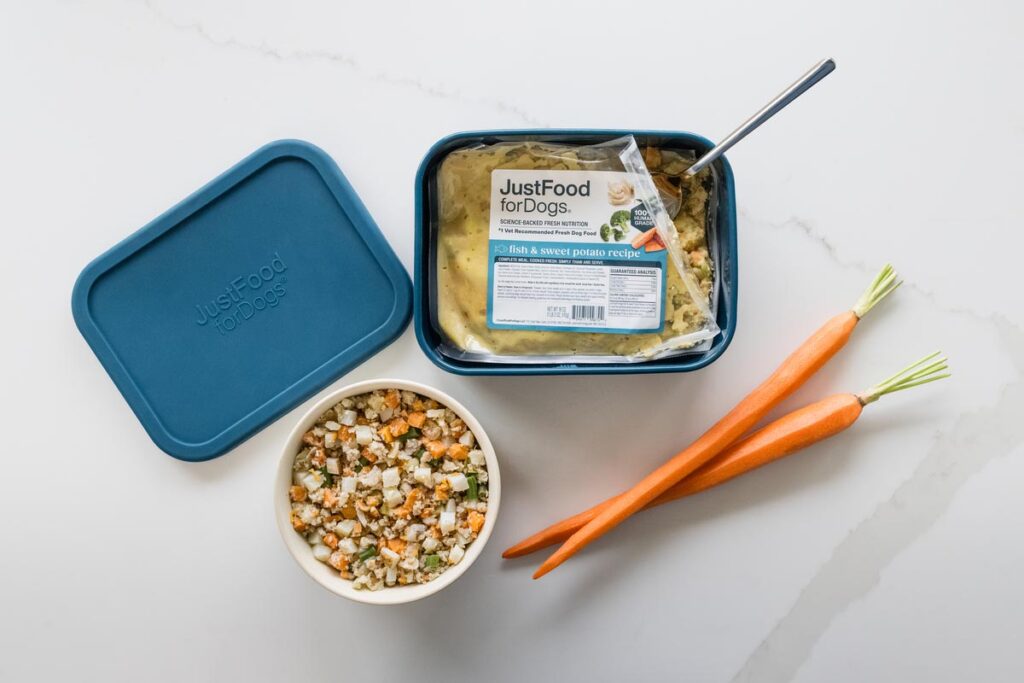
JustFoodForDogs offers fresh, whole-food ingredient recipes made with carefully selected, recognizable ingredients — giving pet owners a more transparent option when exploring diets for dogs with sensitivities. Visit their Targeted Nutrition page to learn more.
Final Thoughts
The best limited-ingredient dog food simplifies what goes into your dog’s bowl without compromising the balanced nutrition they need. By focusing on a single animal protein, digestible carbohydrates like brown rice or oatmeal, healthy fats, and essential vitamins and minerals, while avoiding fillers, artificial additives, and excessive ingredient lists, you give your dog a cleaner, more transparent diet. Whether you’re managing dogs with food sensitivities, supporting a dog through an elimination process to help diagnose food allergies, or simply looking for a simpler food option, a well-chosen limited ingredient recipe can make a meaningful difference. Always work with your vet to evaluate your dog’s specific needs, read every label carefully, and choose a formula designed to support long-term health at every life stage.