By Elizabeth Kowalski, CVT, FFCP

Parasites in dogs are a common problem. These unwelcome pests can live inside or on your dog’s body, affecting their digestion, skin comfort, and overall health. Fortunately, most dog parasites are treatable and preventable.
Here’s what pet parents should know about parasites in dogs, including the most common types, signs and symptoms, and how veterinarians treat and prevent parasitic infections in dogs.
Common types of parasites in dogs
Dog parasites can be divided into internal parasites and external parasites. Dogs can encounter parasites in contaminated environments (such as dog parks), by socializing with infected animals, or by spending time outdoors.
Internal parasites
Internal parasites live inside a dog’s body, typically in their intestinal tract. Here are the most common types of worms in dogs and other internal parasites.
- Roundworms: Roundworms are common intestinal parasites in dogs. Dogs become infected by swallowing microscopic eggs from contaminated soil, surfaces, or stools. Because dormant parasites can reactivate during pregnancy, mother dogs can pass them to their puppies.
- Hookworms: These worms attach (hook) to the lining of the small intestine and feed on the host’s blood. Dogs get hookworms from their mothers by ingesting larvae or when larvae burrow through the skin.
- Whipworms: These small worms cause chronic irritation and inflammation of the intestines. Dogs get whipworms by ingesting eggs, which can survive in the environment for long periods, making reinfection common.
- Tapeworms: These long, segmented worms live in the intestines. Dogs become infected after eating a rodent or accidentally ingesting a flea while grooming. Tapeworms don’t usually cause serious illness, but affected pets may pass rice-like worm segments in their stools.
- Heartworms: Heartworms live in the blood vessels of the heart and lungs. Dogs contract heartworms through the bite of an infected mosquito that is carrying larvae after biting an infected animal. Heartworms can grow up to a foot long and cause life-threatening damage to the heart and lungs.
External parasites
External parasites live on a dog’s skin or fur. Here are the most common types.
- Fleas: These small, fast-moving insects feed on your dog’s blood. Adults live on their host’s skin, causing itchy bites and sometimes allergic reactions. Fleas may also carry tapeworms.
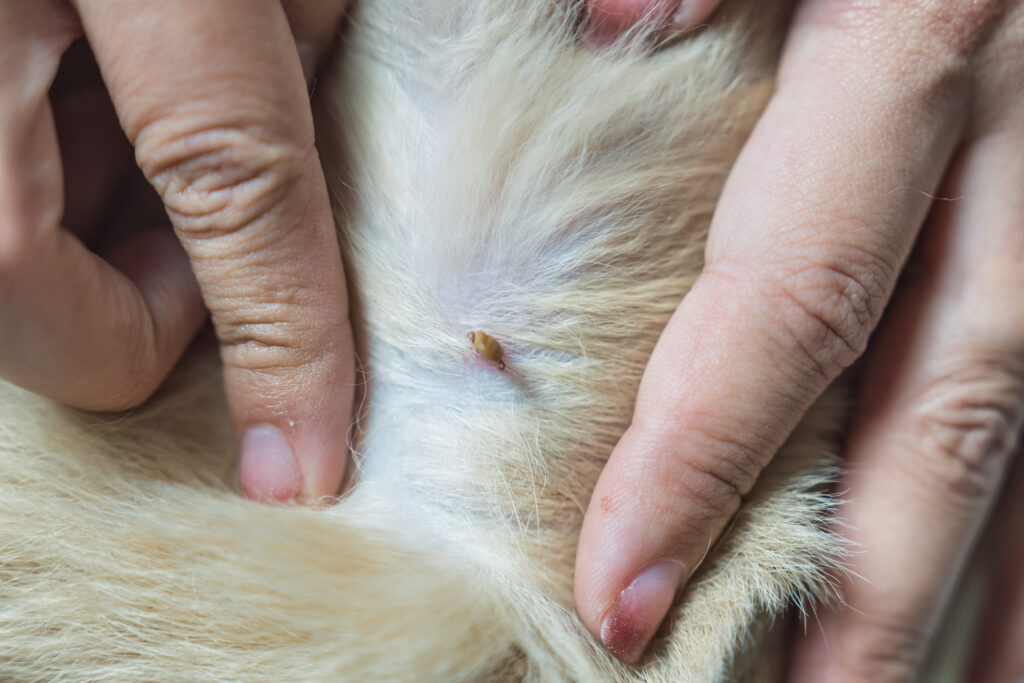
- Ticks: Ticks are larger and easier to see than fleas. They attach to a dog’s skin and feed on their blood for several hours to several days, potentially transmitting tick-borne illnesses, such as Lyme disease.
- Mites: These microscopic parasites live on a dog’s skin or in their hair follicles, causing itching, hair loss, and secondary infections. A mite infestation is often referred to as “mange” and is caused by one of two species: Sarcoptes (scabies) or Demodex. Mange can affect a small, localized area or a larger, more diffuse area of skin.
Signs and symptoms of parasites in dogs
The signs of parasites in dogs can vary depending on the type of parasite, the severity of the infestation, and a dog’s age or overall health. Some dogs may initially have few or no symptoms, but signs typically worsen over time.
Signs and symptoms of parasites in dogs include:
- Diarrhea: Loose, watery stool or bloody diarrhea may develop.
- Vomiting: Dogs with a heavy worm burden may occasionally vomit worms.
- Weight loss: Parasites absorb nutrients from the intestinal tract, causing infected dogs to lose weight.
- Worms in stool: You may see roundworms or tapeworm segments in your dog’s stool.
- Potbellied appearance: Young puppies with roundworms often have a large, distended belly.
- Scooting, licking, or scratching: Dogs with parasites may have skin or rear-end irritation.
- Dull coat or hair loss: External and internal parasites can contribute to skin and coat problems.
- Skin irritation or scabs: Flea bites and mite infestations can cause redness, scabs, and itching.
- Weakness or pale gums: Puppies suffering from severe infestations may have pale gums or appear weak and lifeless (i.e., unthrifty) due to blood loss.
How do veterinarians diagnose parasites in dogs?
Veterinarians use specific tests to screen for and diagnose parasites. Many infections are asymptomatic, meaning infected dogs show no outward signs, and some parasites require repeated testing.
The most common diagnostic methods include:
- Fecal flotation: A solution is added to a small stool sample, causing parasite eggs to float to the surface for identification under a microscope.
- Direct fecal smear: A veterinarian may examine a fresh stool sample directly under a microscope to look for parasites that a flotation might miss.
- Fecal antigen or polymerase chain reaction (PCR): These tests detect parasite proteins or DNA in stool rather than eggs, helping detect early infections or those caused by parasites that shed eggs only intermittently.
- Physical examination: Your vet can often identify fleas, ticks, and tapeworms on a standard physical exam.
- Skin testing: Skin scrapings, cytologies, and cultures help to identify mites or secondary bacterial or yeast infections.

Treatment options for dog parasites
Treatment for dog parasites depends on the type of infection.
- Deworming medications: Prescription dewormers target specific types of intestinal worms. Your veterinarian will prescribe the right medication and number of treatments based on the intestinal parasite.
- Flea and tick treatments: Oral, topical, or collar-based products kill existing parasites and continue to work for 30 days or longer to prevent reinfestation.
- Heartworm prevention and treatment: Monthly heartworm preventives keep dogs from developing heartworm disease. Treatment for existing heartworm disease is more involved, requiring a series of injections and close veterinary supervision.
- Shampoos and dips: Medicated topical treatments can help to kill some types of parasites and address severe itching, irritation, or skin infections. These may be one-time or repeated treatments.
- Follow-up testing: After treatment, your veterinarian may recommend one or more follow-up tests to confirm that the treatment was effective and that the parasites are gone.
- Environmental sanitation: Promptly picking up dog feces, washing pet bedding, and cleaning living areas can help reduce the risk of reinfection from eggs or larvae hatching in the environment.
How to help prevent parasites in dogs
Prevention is one of the best ways to protect your pet from parasites.
- Use monthly parasite preventives: Talk to your veterinarian about prescription products that protect against heartworms, intestinal worms, fleas, and ticks.
- Schedule routine veterinary exams: Regular checkups allow your vet to screen for parasites, recommend appropriate prevention, and catch infections early.
- Clean up dog feces: Promptly picking up your dog’s stool reduces the risk of parasite eggs contaminating the environment.
- Check your dog: Check your dog’s coat after walks or outdoor play in grassy or wooded areas. Remove ticks right away (ask your vet to show you how) and report flea dirt (reddish-brown specks of flea poop) or itchy skin to your vet.
- Avoid contaminated environments: To the extent possible, avoid areas where many other dogs spend time or where wildlife is abundant.
- Wash your hands after handling pets or waste: Always wash your hands after cleaning up feces, handling soil, or grooming your dog. Children should always wash their hands after interacting with pets.
Protecting your dog from parasites with proper care
Parasites can affect your dog’s health inside and out, but there’s a lot you can do to reduce the risk. Learning the signs of infestation, maintaining a parasite prevention program, and scheduling veterinary checkups can help to support your dog’s health and comfort.
Contact your vet to learn more about common parasites in your area or if you suspect your pet may have a parasite.
Check out JustFoodForDogs to see how fresh, human-grade dog food and supplements can help support your dog’s overall health and happiness for years to come. For parasite prevention, follow the program your veterinarian recommends.
FAQs about dog parasites
This content is for informational use only and does not replace professional nutrition and/or medical advice, diagnosis, or treatment. It is not a substitute for and should not be relied upon for specific nutrition and/or medical recommendations. Please follow your veterinarian’s instructions and talk with to them about any questions or concerns.