In recent years, bone broth for dogs has moved from niche wellness circles into mainstream pet care conversations. You may have seen dog bone broth sold in cartons at specialty pet stores, featured as a topper over kibble on social media, or recommended by fellow pet parents looking to support their pup’s joint health or digestion. With so much attention around broth for dogs, it’s natural to be curious but also cautious.
After all, just because bone broth is popular for people doesn’t automatically mean it’s right for every dog. Pet parents often wonder: Is bone broth good for dogs? Can dogs have bone broth safely? What’s the best bone broth for dogs? And how do you make bone broth at home without accidentally including harmful ingredients like onions or garlic?
This guide provides a practical, evidence-informed look at bone broth. We’ll explain what it is, how it differs from standard chicken broth or beef broth, and what potential benefits it may offer when used appropriately. We’ll also walk through a simple bone broth for dogs recipe, highlight ingredients to avoid, and outline safe ways to serve it as part of a balanced diet.
When thoughtfully prepared and used in moderation, bone broth can be a flavorful, functional addition to your dog’s meals, especially when paired with high-quality dog food and supplements designed specifically for canine nutrition.
Can dogs have bone broth?
Yes, dogs can have bone broth, provided it is prepared specifically for them and free from harmful ingredients.
Bone broth is made by simmering bones, commonly chicken or beef bones, in water for an extended period. This slow-cooking process helps extract collagen, gelatin, amino acids, minerals, and small amounts of protein from the bones and connective tissue. The result is a nutrient-rich liquid that often gels when cooled due to its gelatin content.
It’s important to understand how bone broth differs from standard broth or stock:
- Standard chicken broth or beef broth (for humans) often contains onions, garlic, added salt, seasonings, and other flavor enhancers that are not safe for dogs.
- Bone broth for dogs should be plain, slow-simmered, and made without toxic ingredients or excessive sodium.
- Store-bought human broths are rarely appropriate unless clearly labeled as dog-safe and free from harmful additives.
When properly prepared, dog bone broth can be used as a topper, hydration boost, or occasional treat. However, it should not replace complete and balanced dog food. Instead, it works best as a supportive addition to a well-formulated diet.

5 benefits of bone broth for dogs
Many pet parents ask, Is bone broth good for dogs? While bone broth is not a cure-all or a substitute for veterinary care, it can offer several nutritional and functional benefits when used appropriately.
In general, bone broth is beneficial because it provides hydration, highly digestible nutrients, collagen-derived compounds, and natural flavor that can support overall wellness. Below are some of the most commonly discussed benefits of bone broth for dogs.
1. Joint and mobility support
One of the most cited reasons for using bone broth for dogs is joint health support. During slow simmering, bones and connective tissue release collagen, which breaks down into gelatin. This gelatin contains compounds like glucosamine and chondroitin, both commonly associated with joint health.
These compounds are structural components of cartilage and connective tissue. While the amounts in broth are modest compared to targeted joint supplements, regular use of dog bone broth may provide gentle, ongoing support for aging dogs or active pups who put stress on their joints.
For dogs already on a joint supplement recommended by a vet, bone broth can be a complementary addition, not a replacement.
2. Digestive support
Bone broth is easy to digest and contains amino acids such as glycine, which are involved in many metabolic processes. The gelatin in broth may help soothe the digestive tract by supporting the integrity of the gut lining.
For dogs experiencing mild digestive upset, appetite changes, or transitions between meals, broth for dogs may be an appealing, gentle option. It is often used during short-term recovery periods under veterinary guidance. However, persistent gastrointestinal issues should always be evaluated by a vet rather than managed solely with dietary additions.
3. Hydration and appetite stimulation
Because bone broth is mostly water, it contributes to hydration. This can be particularly helpful for:
- Dogs who don’t drink enough water
- Senior dogs
- Picky eaters
- Dogs eating dry kibble
Pouring a small amount of warm chicken bone broth or beef bone broth over meals can enhance aroma and flavor, making food more appealing. For dogs who have temporarily lost interest in their meals, broth can act as a natural topper that encourages eating without adding excessive fat or salt.
4. Skin and coat support
Collagen and protein components in bone broth may indirectly support skin and coat health. Collagen is a structural protein that contributes to connective tissue integrity, including skin.
While bone broth is not a standalone solution for skin issues, it can complement a balanced diet that already includes essential fatty acids and high-quality protein. When combined with products like Omega Oil for Dogs with Algae, pet parents can create a more comprehensive approach to skin and coat care.
5. Immune system support
Bone broth contains trace minerals and amino acids that contribute to overall wellness. Glycine and other amino acids play roles in various physiological processes, including those tied to immune function.
Again, bone broth should not be viewed as an immune “boost” in a medical sense. Instead, it can serve as one supportive component of a nutrient-rich, balanced diet that helps maintain your dog’s normal immune system function.

What ingredients should be avoided in bone broth for dogs?
When preparing or purchasing broth for dogs, ingredient awareness is critical. Many broths made for humans contain additives that are inappropriate, or even toxic, for dogs.
Here are ingredients to avoid:
- Onions: Onions contain compounds that can damage red blood cells in dogs and may lead to anemia. Even small amounts in broth can be problematic, especially if consumed regularly.
- Garlic: Like onions, garlic belongs to the allium family and can be harmful in certain amounts. While sometimes debated, garlic should not be included in dog bone broth to avoid unnecessary risk.
- Excess salt (sodium): Many commercial chicken broth and beef broth products contain high levels of sodium. Dogs do not require added salt in their broth, and excessive sodium may contribute to dehydration or other health concerns.
- Added seasonings or spices: Ingredients like pepper, spice blends, or flavor enhancers may irritate a dog’s digestive tract. Keep homemade bone broth plain and simple.
- Artificial additives or preservatives: Flavorings, colorings, and stabilizers add no nutritional benefit and may cause digestive upset in sensitive pets.
When evaluating the best bone broth for dogs, look for minimal ingredients: bones, water, and optionally a small splash of apple cider vinegar to aid mineral extraction. That’s it.
How to serve bone broth for dogs
There are several practical ways to incorporate bone broth into your dog’s routine. Each method offers flexibility depending on your pup’s needs.
Pouring over dry or fresh food
Adding a small amount of warm broth over kibble can soften the texture and enhance the aroma. This is especially helpful for senior dogs or picky eaters who need encouragement at mealtime.
For dogs eating fresh or lightly cooked meals, broth can add moisture and variation without significantly altering the overall diet.
Serving as a warm or chilled topper
Bone broth can be used as a light topper over dog food. A spoonful or two is often enough to add flavor and hydration.
In warmer months, chilled broth may be refreshing. In cooler months, gently warmed broth can be comforting.
Freezing into portioned cubes
Freezing homemade bone broth into ice cube trays makes portion control easy. A cube can be added directly to meals or offered as a cool treat.
This method also extends shelf life and reduces waste.
Using during transitions or recovery periods
When transitioning to a new diet, broth for dogs can make unfamiliar meals more appealing. It may also be used short-term during recovery periods under veterinary guidance to encourage hydration and appetite.
Always consult your vet if your dog is recovering from illness, surgery, or has a chronic condition that requires dietary management.
How to make bone broth at home
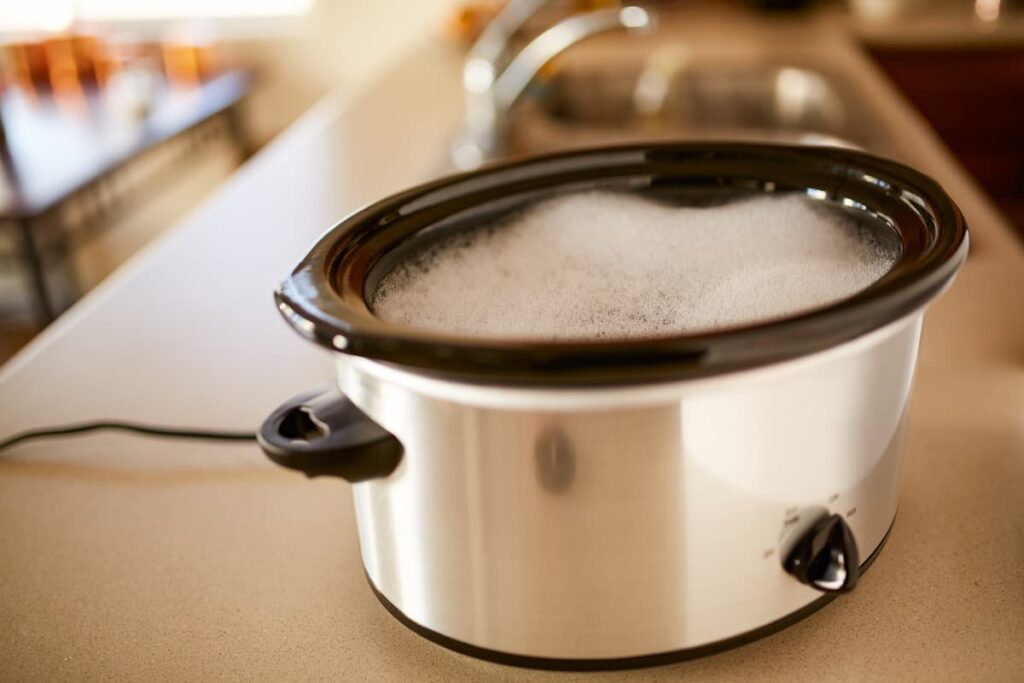
If you’re wondering how to make bone broth at home, the process is simple and requires minimal ingredients. The key is slow cooking and avoiding harmful additives.
1. Choose appropriate bones
Select raw beef or chicken bones with connective tissue. Knuckle bones, marrow bones, and chicken carcasses are common choices.
Avoid cooked bones that may splinter. If using chicken, chicken bone broth is typically lighter and milder in flavor, while beef bone broth may be richer.
2. Add water and a small amount of apple cider vinegar
Place bones in a slow cooker and cover with water. Add a small splash of apple cider vinegar to help draw minerals from the bones. Do not add salt, onions, garlic, celery, carrots, or seasonings.
3. Simmer slowly for an extended period
Cook on low in a slow cooker for:
- 12–24 hours for chicken bones
- 24–48 hours for beef bones
A gentle simmer (not a rolling boil) allows collagen and gelatin to extract gradually.
4. Get creative with flavors and add-ins
After the broth is finished and strained, you can mix small portions with other dog-safe additions.
5. Strain thoroughly and discard solids
Once cooking is complete, strain the broth carefully. Discard all bones and solids. Never give cooked bones to your dog.
6. Cool, store, and serve appropriately
Let the broth cool. Skim excess fat from the top before serving. Store in the refrigerator for up to several days or freeze in portioned containers. When serving, ensure it is fully cooled or gently warmed, not hot.
Make bone broth part of a balanced nutrition routine
While bone broth offers appealing benefits, it works best as part of a balanced and complete diet. It should complement, not replace, high-quality dog food formulated to meet established nutritional standards.
Thoughtfully prepared meals and toppers allow pet parents to support hydration, joint health, digestion, and overall wellness without overcomplicating their dog’s diet.
For those seeking convenient, veterinarian-developed options, JustFoodForDogs offers Supplements, Custom Diets, and DIY Homemade solutions. Choosing real-ingredient, dog-appropriate foods helps ensure your pup receives balanced nutrients in every bowl.