
Every dog learns differently, and understanding a breed’s trainable traits and natural learning style can make the difference between a frustrated owner and a confident, well-behaved companion. Some dogs pick up new commands after just a few repetitions, while others need patience, repetition, and creative motivation to master the basics. Knowing where your dog, or the breed you’re considering, falls on the intelligence spectrum helps you choose training approaches that actually fit their instincts and energy level.
This guide is meant as a practical resource for two kinds of readers: people trying to pick the right breed for their lifestyle, and current owners looking to better understand, train, and mentally stimulate the dog they already have. Below, we break down what canine intelligence really means, how it’s measured, which breeds consistently rank among the smartest dogs, and how to keep an intelligent dog engaged and happy.
What makes a dog breed intelligent?
Dog intelligence isn’t a single, easy-to-measure trait; it’s a combination of abilities that show up differently across breeds. A highly intelligent dog might learn commands quickly, solve problems on its own, or read human emotions with unusual accuracy. Others show intelligence through instinctive skills, like a herding dog’s ability to move livestock without being taught step-by-step.
Because intelligence takes different forms, no two smart breeds behave exactly alike. A working dog bred for independent decision-making, such as a livestock guardian, may not obey commands as instantly as a breed developed for close partnership with handlers. This distinction matters for training style, exercise needs, and behavior expectations; an intelligent dog that isn’t given the right kind of mental stimulation is far more likely to develop destructive behaviors, anxiety, or hyperactivity.
How dog intelligence is evaluated
Canine researcher Stanley Coren, whose work remains one of the most cited references on dog intelligence, popularized a framework that separates canine intelligence into distinct categories rather than a single IQ-style score. Trainers and behaviorists generally evaluate smart dogs across several overlapping areas:
Obedience intelligence
This measures how quickly a dog learns and reliably obeys new commands. Breeds like the Border Collie and German Shepherd rank near the top here, often mastering a new command in fewer than five repetitions.
Working intelligence
Working intelligence reflects a breed’s aptitude for a specific job, such as herding, retrieving, guarding, or scent detection. This is instinctive, bred-in intelligence rather than learned behavior.
Adaptive intelligence
Adaptive intelligence covers a dog’s ability to solve problems independently, such as opening doors, navigating obstacles, or figuring out puzzle toys without guidance.
Other recognized measures include:
- Social intelligence — reading human emotional cues and responding appropriately
- Spatial intelligence — remembering routes, locations, and object placement
- Instinctive intelligence — natural aptitude for the breed’s original purpose, like herding or scent work
- Trainability — general responsiveness to repetition-based learning
- Impulse control — the ability to resist distraction or overexcitement during tasks
The 8 Smartest dog breeds and their key traits
Based on trainability rankings, working ability, and problem-solving research, these 8 breeds consistently top the list of smartest dog breeds.
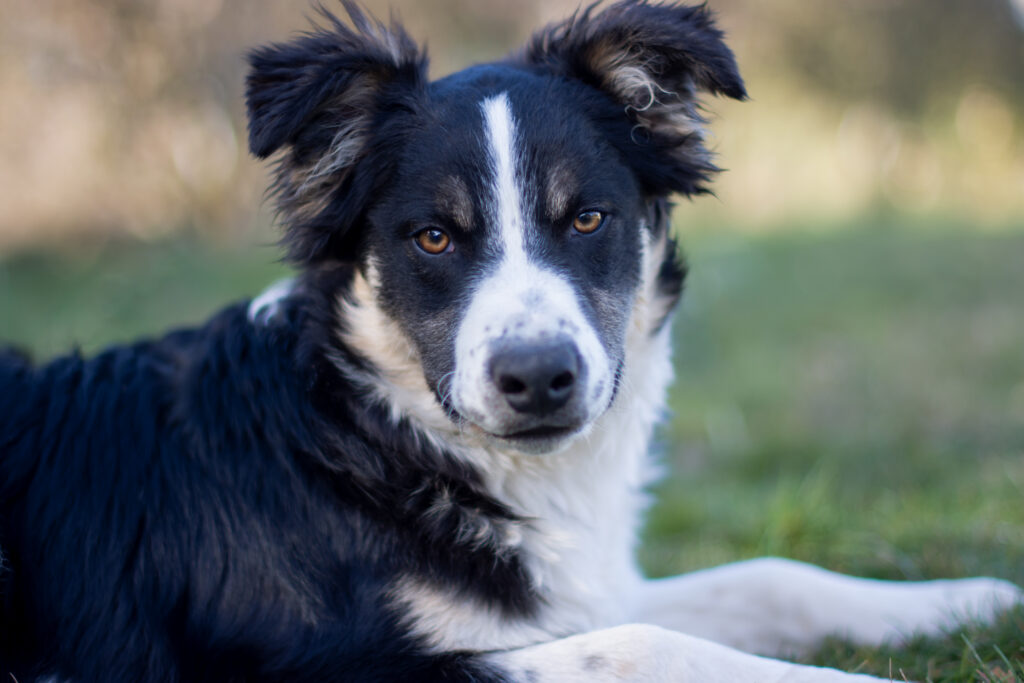
Border Collie
When people search for border collie intelligence ranking, the answer is consistently the same: this breed sits at number one on nearly every list of the smartest dogs. Bred for herding, this breed reads subtle body language, learns new commands almost instantly, and thrives on structured mental and physical exercise.
Poodle
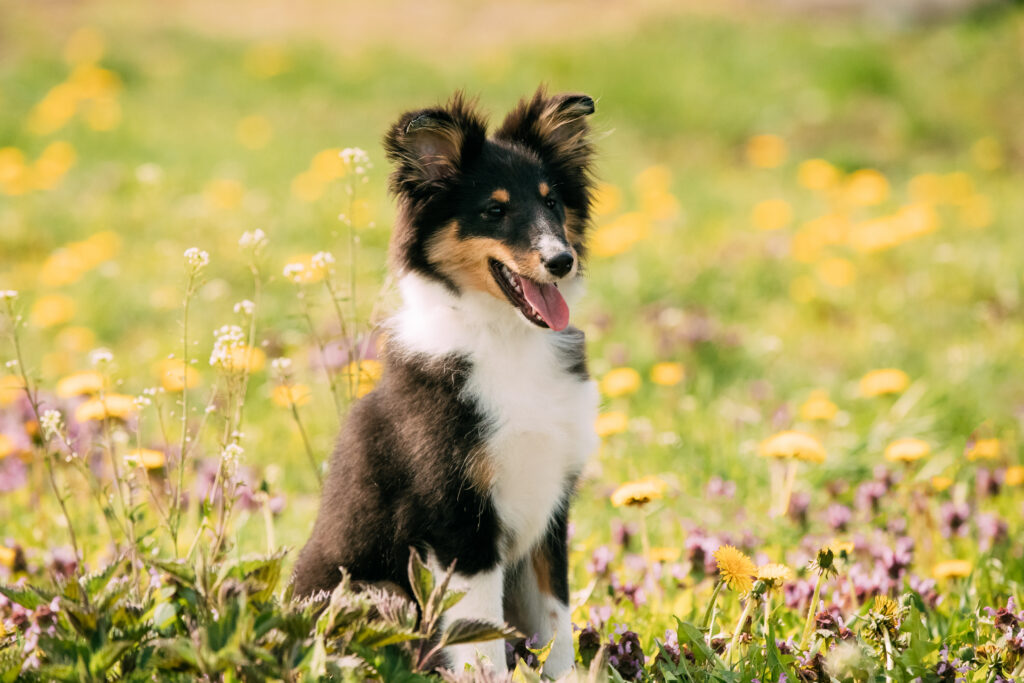
Poodles were originally bred as water retrievers and rank among the top breeds for obedience intelligence. Their quick problem-solving skills and eagerness to please make them highly trainable across Standard, Miniature, and toy sizes.
German Shepherd
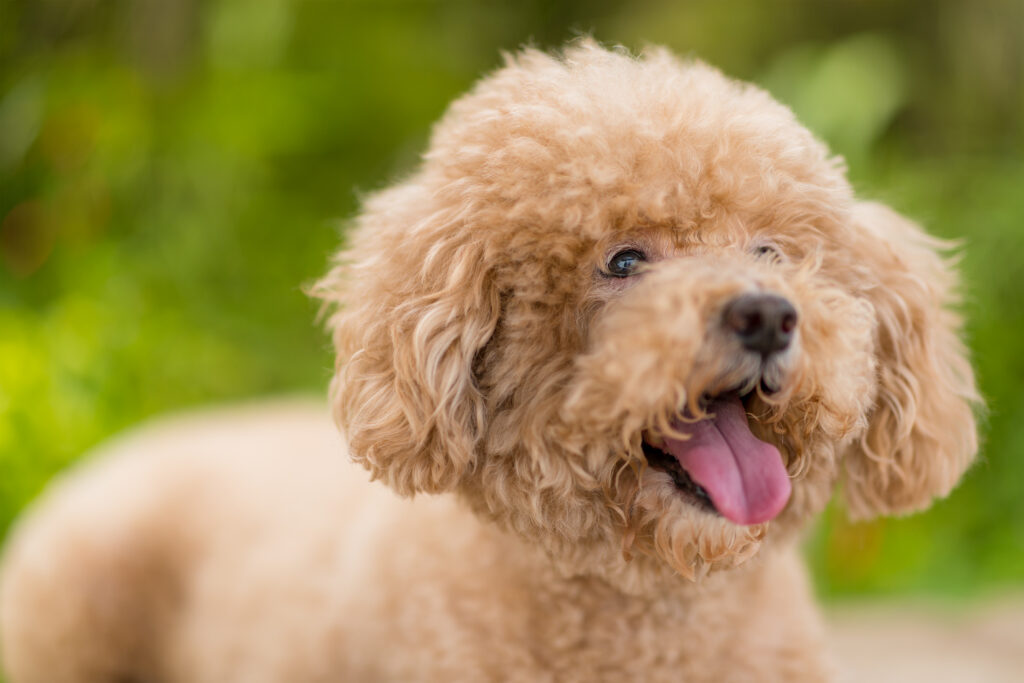
German Shepherds combine obedience, working, and adaptive intelligence, which is why they excel as service dogs, police dogs, and search and rescue partners. They’re loyal, focused, and capable of learning complex multi-step tasks.
Golden Retriever
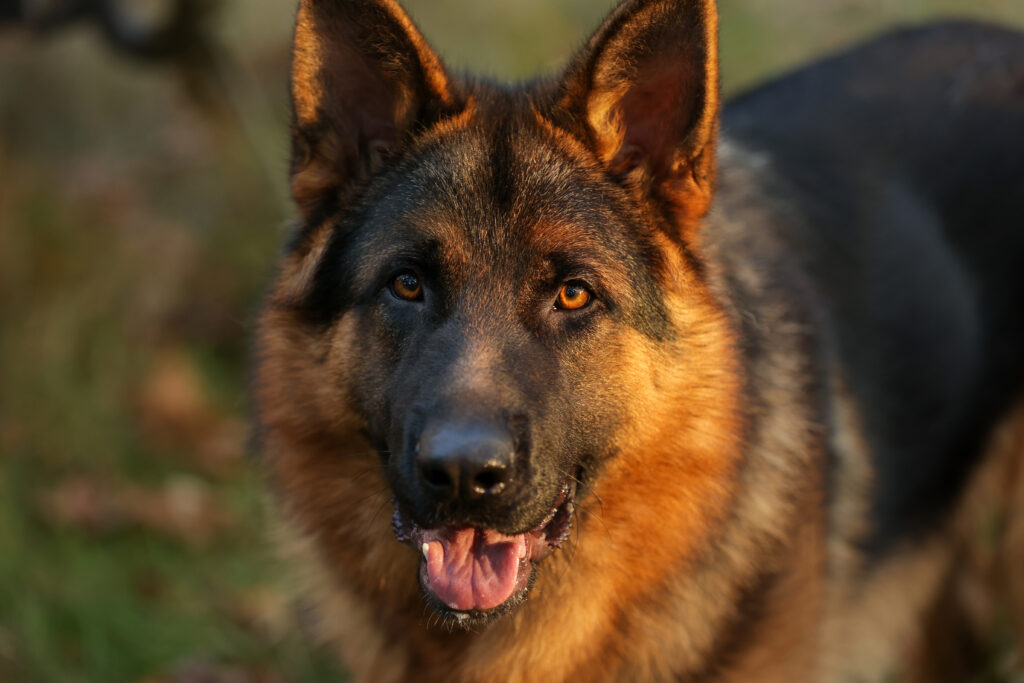
Goldens are famous for emotional sensitivity and trainability, making them popular family dogs and service dogs. They learn commands quickly and are highly motivated by praise and food rewards.

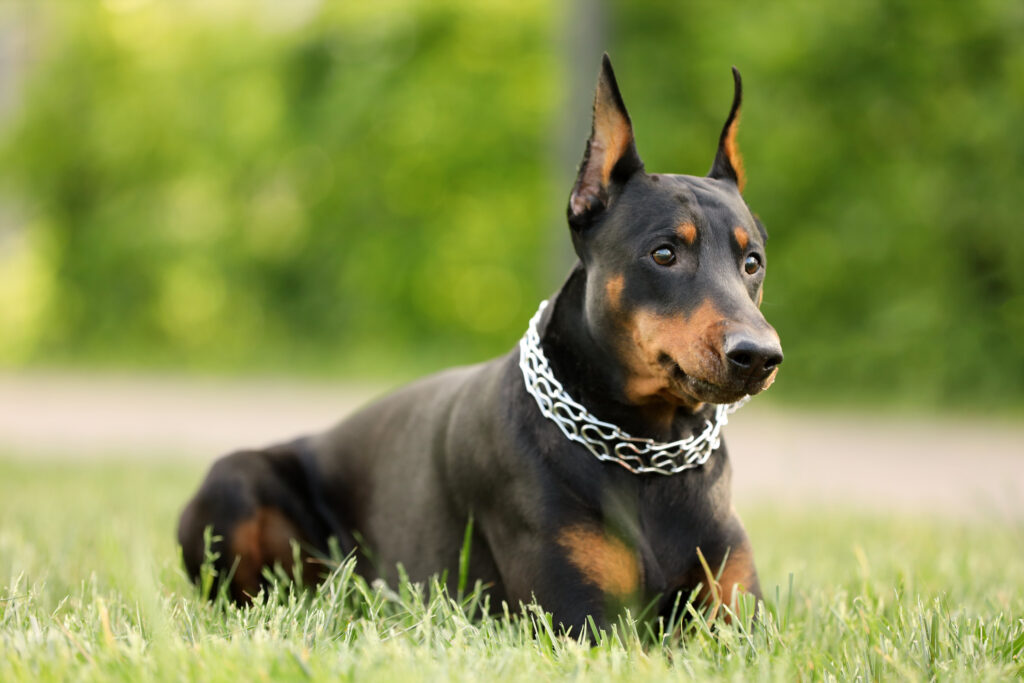
Doberman Pinscher
The Doberman Pinscher was bred as a guard dog and personal protector, giving it sharp working intelligence alongside strong obedience skills. Dobermans are quick learners that thrive with consistent training and a job to do.
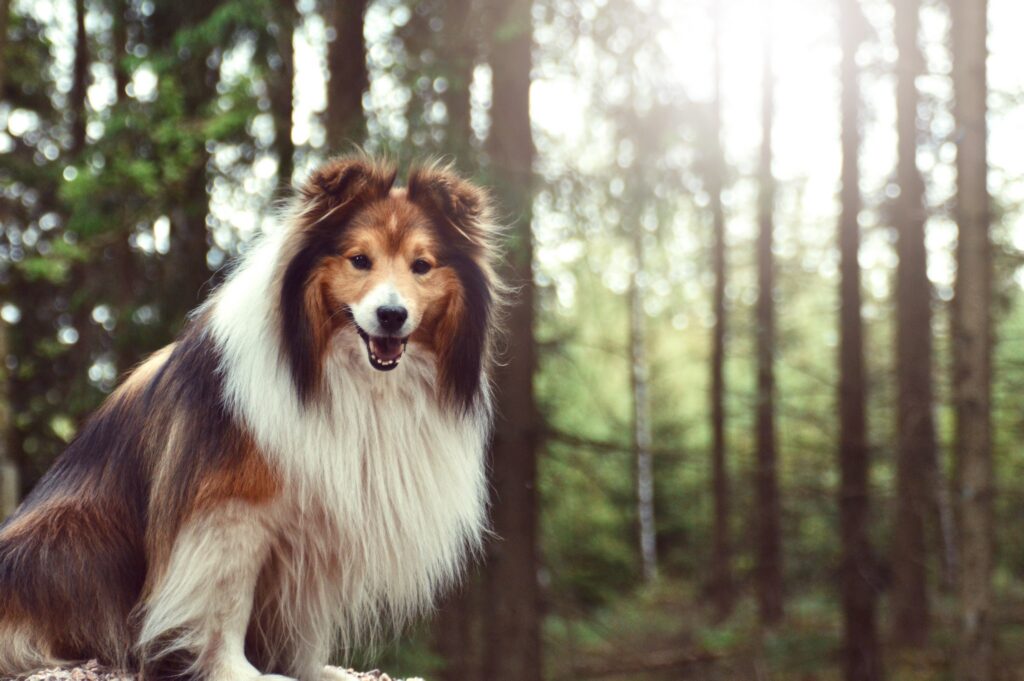
Shetland Sheepdog
Shetland Sheepdogs, or Shelties, descend from herding stock and share much of the Border Collie’s obedience intelligence. They’re eager, responsive, and excel in dog sports like agility and obedience trials.
Labrador Retriever
Labrador Retrievers combine trainability with a friendly, eager temperament, which is why they’re widely used as service dogs and search and rescue dogs. They learn quickly and respond well to reward-based training.
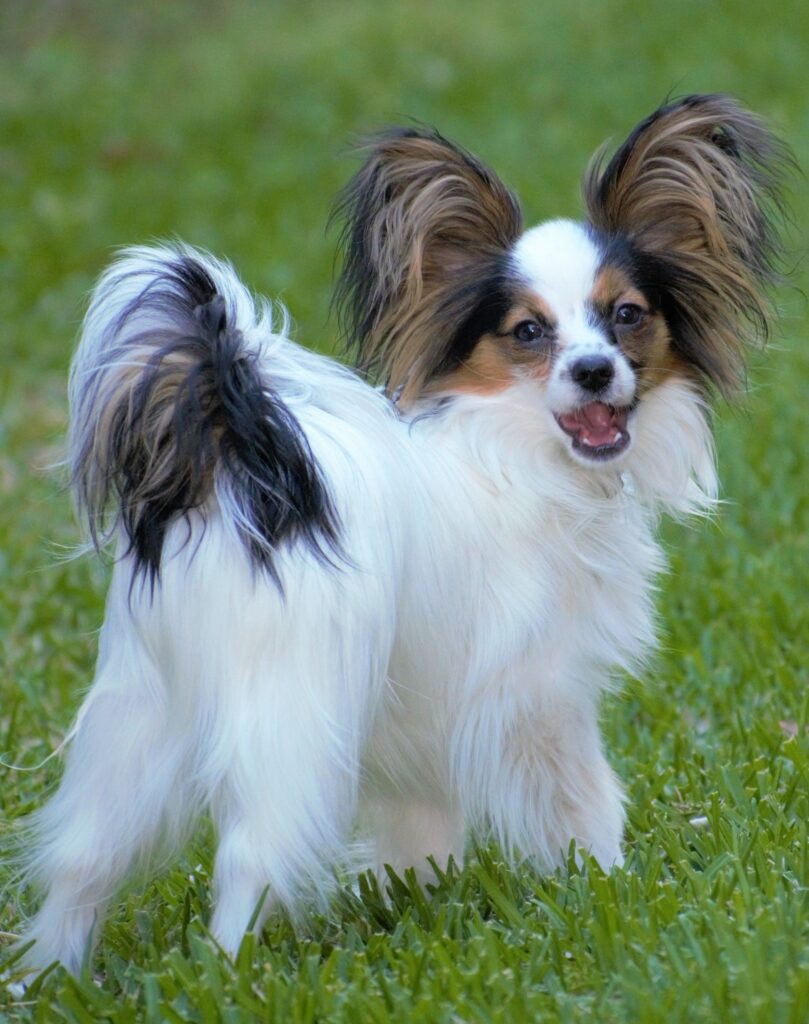
Papillon
Despite their small size, Papillons rank surprisingly high in obedience intelligence. This miniature breed is alert, quick to learn, and often outperforms much larger breeds in trainability.
Other notable mentions include the Australian Cattle Dog, Belgian Malinois, Belgian Tervuren, Rottweiler, Australian Shepherd, English Springer Spaniel, Miniature Schnauzer, and Schipperke, all recognized for high intelligence and strong working instincts.
Training and enrichment needs for intelligent dog breeds
Highly intelligent breeds need more than basic walks to stay balanced. Without enough mental stimulation, smart dogs can develop boredom-driven behaviors like digging, chewing, excessive barking, or obsessive behaviors such as tail chasing or pacing. The following exercises help channel intelligence productively:
- Obedience training — regular practice reinforces impulse control and strengthens the human-dog bond
- Puzzle toys — encourage independent problem-solving and reduce restlessness
- Agility training — combines physical exercise with quick decision-making
- Scent games — tap into instinctive intelligence and provide low-impact mental stimulation
- Daily routine consistency — predictable schedules reduce anxiety and reactivity
- Social interaction — regular exposure to people and other dogs supports emotional stability and reduces separation anxiety
Choosing the Right Intelligent Dog for Your Lifestyle
Intelligence is only one piece of the puzzle when selecting a breed. Even among the smartest breeds, energy levels, temperament, and care needs vary widely. Consider these factors before bringing home an intelligent dog:
- Activity level — many smart breeds, like Border Collies and Australian Cattle Dogs, need substantial physical exercise daily to avoid hyperactivity
- Time for training and engagement — intelligent dogs need consistent, ongoing training, not just puppyhood basics
- Living space and environment — high-energy working breeds generally need more room than apartment life allows
- Family environment and temperament — some breeds, like Goldens and Labradors, adapt more easily to households with children than independent working breeds
Support Training and Mental Stimulation
Consistent training paired with high-value rewards helps intelligent dogs stay focused, motivated, and engaged during every session. Real-food rewards can make a meaningful difference here; dogs are often more responsive to treats that smell and taste like an actual meal rather than heavily processed alternatives. JustFoodForDogs treats offer a simple, real-food option owners can use to reinforce obedience, sharpen focus, and support daily training routines for breeds that need frequent mental stimulation. Shop JustFoodForDogs Treats to help keep your smart dog’s training on track.
Final Thoughts
Understanding what makes a breed intelligent and how that intelligence shows up in daily behavior helps owners choose the right dog and train them more effectively. From the Border Collie’s herding instincts to the Papillon’s surprising trainability, each of the smartest breeds brings unique strengths that call for tailored training and consistent mental stimulation to stay happy and well-behaved.