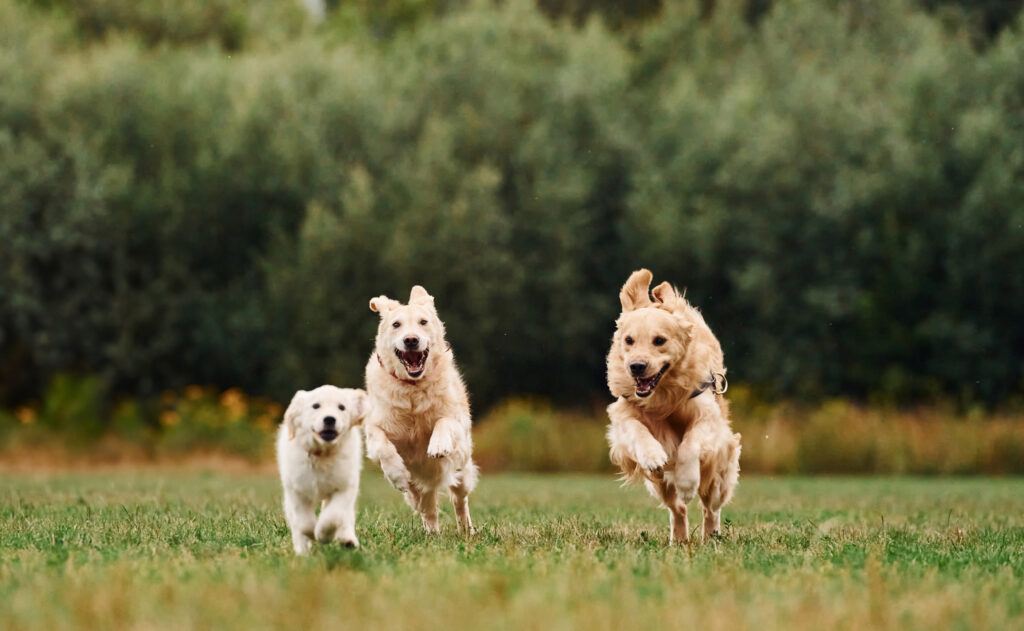
When dogs run after a squirrel, they can go from sniffing to sprinting in seconds. But how fast can dogs run? Most healthy dogs can reach 15 to 20 mph in a short sprint, while the fastest dog breeds, such as Greyhounds, can reach running speeds of up to 45 miles per hour.
In this guide, you’ll learn how fast the average dog can run, which breeds are the fastest, what affects a dog’s speed, and how to exercise active breeds safely.
How fast can dogs run on average?
The breed, body shape, age, health, and fitness all influence how fast a dog can run. Many healthy dogs can sprint between 15 and 20 mph, while athletic, herding, sporting, and sighthound breeds may exceed 25 mph. The fastest dog breeds can reach speeds of 40 to 45 mph under the right conditions.
Average running speed for most dogs
Here’s a general guide to the top speeds different types of dogs can reach.
| Dog Size | Approximate Top Running Speed |
| Toy and small breeds | 10-15 mph |
| Medium-sized breeds | 15-20 mph |
| Athletic, sporting, and herding breeds | 20-30 mph |
| Sighthounds | 35-45 mph |
Keep in mind that these are estimates, not guarantees. A young, healthy dog in excellent condition may run faster than a senior dog of the same breed.
Sprinting speed vs long-distance running
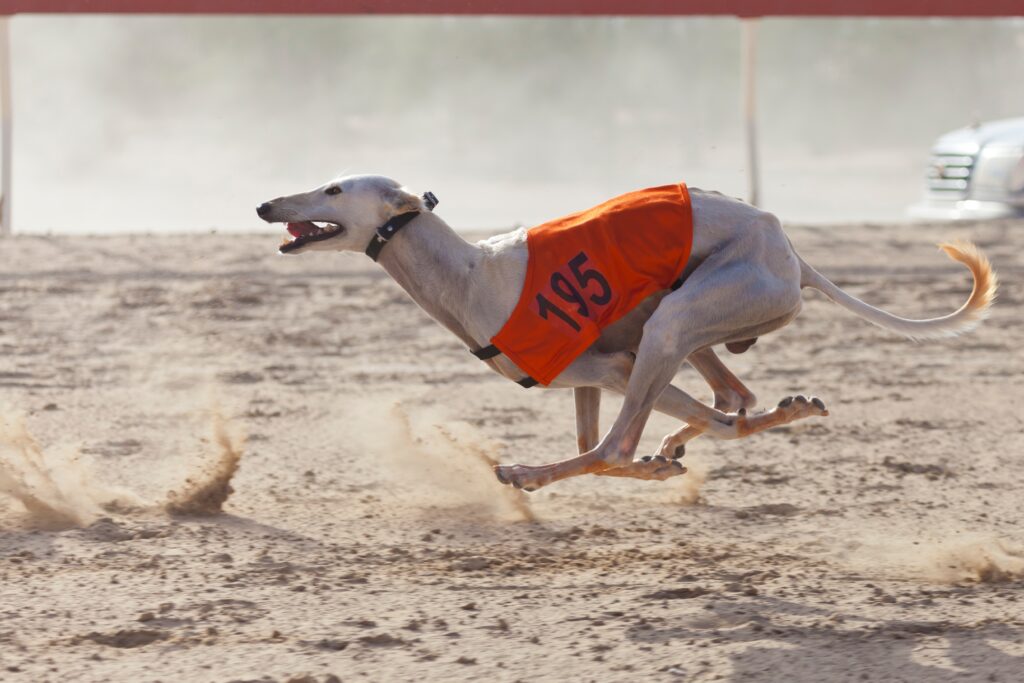
Top speed and endurance are different skills. Greyhounds are the fastest dogs in the world and may reach nearly 45 mph, but cannot sustain that pace. Siberian Husky dogs, Australian Shepherds, and Border Collies were bred to work for long periods rather than chase top speed. A Border Collie can spend hours herding livestock, alternating between walking, trotting, and short bursts of speed. Siberian Husky sled dogs can travel 50-100 miles a day at a steadier pace of about 8-12 mph, with rest stops.
Speed differences between small and large dogs
A dog’s size can influence their speed, but it’s not the whole story. Small dogs typically have shorter legs and a shorter stride, which can limit their top speed compared to larger athletic dogs. Still, plenty of small dogs are quick and agile when they need to be.
Why do some dogs run faster than others?
It starts with genetics. Some dog breeds were developed to chase prey, herd livestock, retrieve game, or travel long distances. These traits tend to support speed and endurance.
Dogs also have anatomical features that help them move efficiently. For example, they lack a functional collarbone and this lack allows the shoulder blade to move freely and lengthens the front stride.
Other traits that can affect running speed include:
Long legs and stride length: Longer legs can help a dog cover more ground with each stride. This gives breeds such as Greyhounds, Salukis, and Vizslas an advantage over dogs with shorter legs.
Muscle composition: Fast-twitch muscle fibers generate powerful bursts of speed during sprints.
Flexible spine: During a gallop, a dog’s spine flexes and extends with each stride. This movement helps athletic dogs cover more ground in a single bound and is especially pronounced in sighthounds.
Chest and lung capacity: A deep chest gives the heart and lungs room to deliver oxygenated blood to working muscles.
Body composition: Lean, muscular dogs move more efficiently than dogs carrying excess weight, which can place stress on the joints and make running more tiring.
Fastest dog breeds and their top running speeds
Some dogs were developed to hunt, herd livestock, or run with horses. These dogs combine athletic builds with an instinct to move.
| Breed | Approximate Top Speed | What Makes Them So Fast? |
| Greyhound | Up to 45 mph | Greyhounds are famous dog racing runners. Their deep chest, flexible spine, and long, muscular legs support speed and long strides. |
| Saluki | Up to 42-43 mph | Salukis were bred to pursue fast-moving prey across the desert; they combine speed with endurance. |
| Vizsla | Up to 40 mph | Originally bred as hunting dogs, Vizslas have stamina and a long, lean, muscular body built for chasing prey. |
| Border Collie | Up to 30 mph | Border Collies are athletic dogs built for endurance and quick acceleration while working livestock. |
| Jack Russell Terriers | Up to 25-30 mph | Small but energetic, Jack Russells have powerful hind legs and quick acceleration, making them useful when burrowing into foxholes and chasing prey. |
| Dalmatian | Up to 35 mph | Dalmatians were incredible carriage dogs running alongside horses over uneven terrain. |
Other fast dog breeds include the Whippet, Borzoi (Russian Wolfhound), Afghan Hound, Doberman Pinscher, German Shepherd, Siberian Husky, and Scottish Deerhound. While their speeds vary, these dogs were bred for work that requires athleticism, endurance, or quick bursts of speed.
Fast dogs aren’t all built alike. Some, like the Greyhounds, Whippets, and other sighthound breeds, are sprinters. Others, including Border Collies, Vizslas, and Dalmatians, are better known for combining speed and agility with the stamina to work.
What factors affect how fast a dog can run?
Besides genetics, age, health, fitness level, weather, terrain, and even motivation can affect how fast a dog runs.
Breed and body structure
A Pug is unlikely to outrun a Vizsla or Greyhound because their body structures and breathing abilities are very different. Besides breed, individual health, age, and conditioning also matter.
Age and overall health
Puppies have plenty of energy, but their bones, joints, and growth plates are still developing, which means running long distances can interfere with healthy development. Senior dogs may develop arthritis or have reduced fitness.
Weight and fitness level
Excess weight can add stress on the joints and muscles, making a dog tire more quickly. Besides weight, regular activity builds endurance and strength gradually.
Energy levels and conditioning
Dogs that train, work, or hike regularly will often have more endurance than weekend warriors. Yet, not every dog needs a demanding workout; the best routine is the one that fits the dog’s age, health, and natural energy level.
Weather and terrain
Pet parents may think of hot weather as slowing their dog down, but uneven trails, deep sand, snow, or mud all require more effort than flat surfaces.
Motivation and training
Chasing a favorite ball, competing in agility, or following an instinct to chase can prompt a faster-than-usual sprint. Training can improve a dog’s coordination and confidence, but don’t push your dog to run faster than he wants.
How to safely exercise active and fast-running dogs
Active breeds need frequent physical activity, but the safest exercise routine is one that matches their age, breed, and fitness level.
Here are a few ways to help your active dog stay healthy and safe.
- Choose secure, off-leash areas
If your dog loves to run, choose fenced areas where they’re protected from traffic and wildlife. Reliable recall is still important.
- Gradually increasing exercise intensity
Dogs need time to build their endurance, which can help reduce the risk of injury.
- Incorporating fetch or agility games
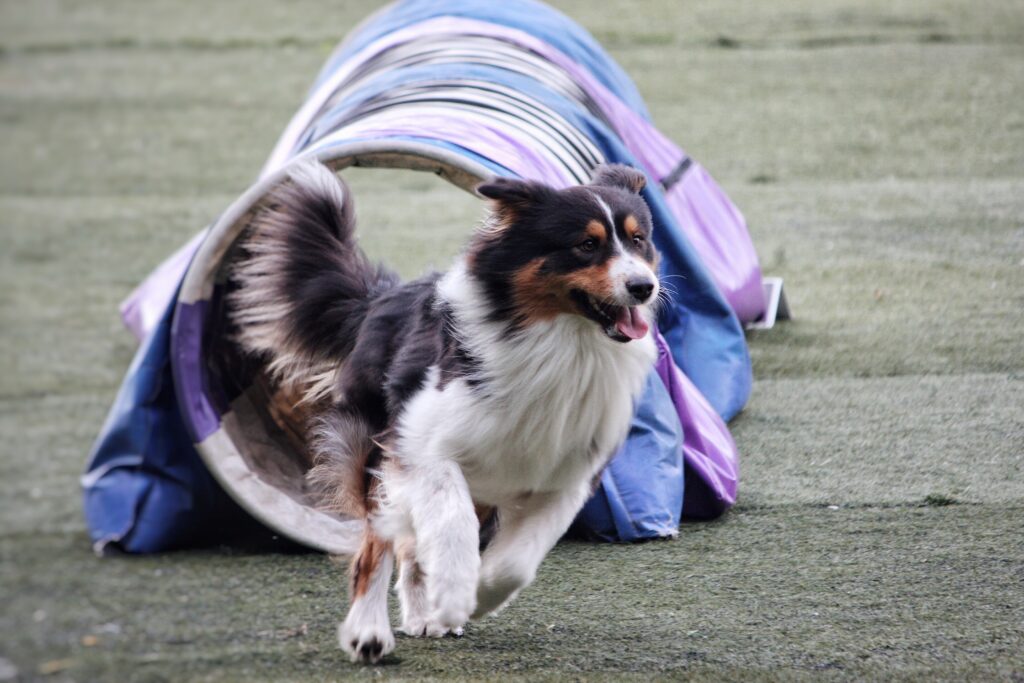
Fetch, agility games, scent work, swimming, and other outdoor activities for dogs can give your pup the physical and mental exercise he needs. Rotating activities use different muscle groups and can help prevent repetitive strain.
- Monitoring weather conditions
Dogs can overheat quickly, especially in hot weather. Exercise during cooler hours and be aware that hot pavement can burn your dog’s paws. Bring water, take breaks, and keep it short if your dog seems overheated or unusually tired.
- Allowing recovery time after exercise
Build warm-up and cool-down time into your exercise routine. You can offer a slower, leashed walk outside of the dog park before returning home. Make sure your dog has plenty of water and watch for limping or stiffness.
- Scheduling routine veterinary checkups for active dogs
Maintain your wellness exams. Your veterinarian can help identify joint, heart, or respiratory conditions that may affect your dog’s ability to safely exercise. This is especially important for athletic dogs, senior dogs, and breeds that are predisposed to orthopedic conditions.
Understanding your dog’s natural running ability
A Bulldog is unlikely to run as fast as a Greyhound, but breed isn’t everything. The dog’s age and fitness level also play a role in how fast and far a dog can run. Even within the same breed, dogs can have different athletic abilities.
The best exercise routine is one that matches your dog’s individual needs and interests and adjusts as your dog ages. Your veterinarian can suggest ways to adjust your dog’s activity routine so they can stay active and safe.