In between puppy cuddles and cleanups, you probably have a lot of questions about your new floof. One of those questions might be, “Is my new puppy drinking enough water?”
Hydration is essential for your puppy’s growth, digestion, temperature regulation, and overall health. Yet, it gets tricky because their water intake can fluctuate from day to day, and it’s not always obvious if your dog drinks enough water.
In this article, you’ll learn practical ways to monitor your pup’s water intake, spot both dehydration and overhydration, and know when it’s time to call your veterinarian.
How much water should a puppy drink per day?
How much water should a puppy drink a day? Guidelines say most puppies need about 0.5 to 1 ounce of puppy water per pound of body weight per day. So, a 10-pound puppy would typically drink somewhere between 5 and 10 ounces over 24 hours. But this is only a starting point, depending on your dog’s size and activity level.
Younger puppies tend to drink small amounts more often throughout the day because their bodies are growing quickly and burning through energy (and hydration) faster. If your new puppy drinks more water on active days, that’s normal.
That’s why these recommendations are a guide. It’s normal to wonder if puppies drink a lot of water. Your puppy’s actual water intake depends on factors such as diet, activity level, weather, and overall health.
Factors that affect how much water a puppy needs
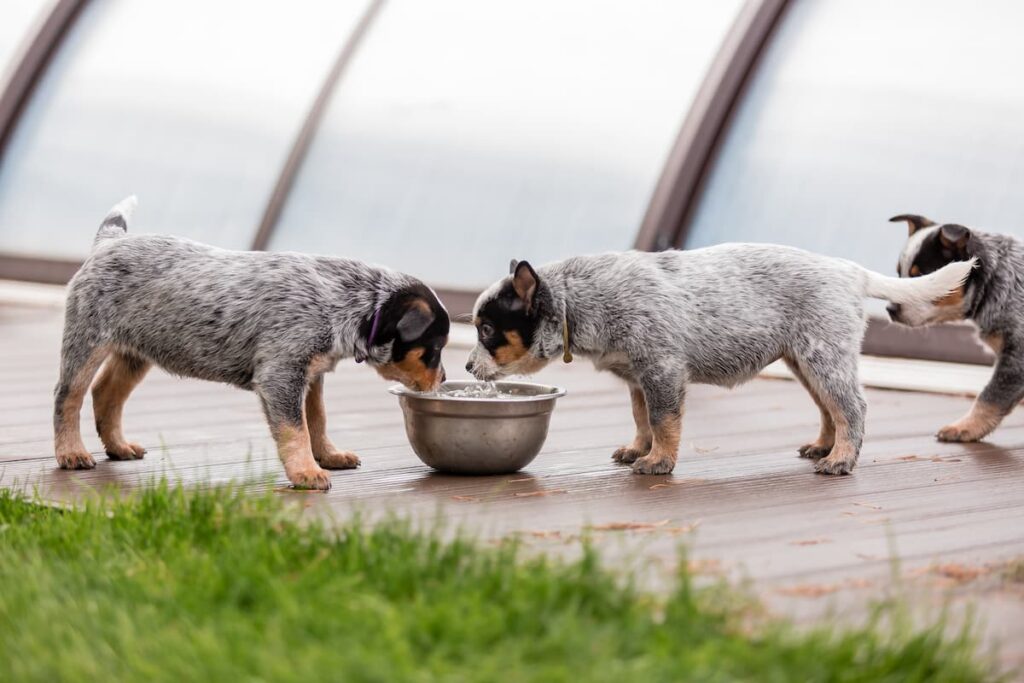
A puppy’s water intake fluctuates throughout the day based on their activities, diet, and environment. Here are the biggest factors that influence how much your pooch drinks:
- Age and growth stage: Young puppies drink small amounts more often because they’re growing quickly. When your pup careens down the hall and makes a U-turn for the water bowl, mid-zoomies, that’s normal. Puppies often drink more water more frequently than older dogs.
- Activity level: The more active your pup, the more water they need. So if your floof runs in circles for fun or plays fetch as long as you’ll throw the ball, they’re going to be thirsty. Make sure you have fresh water available.
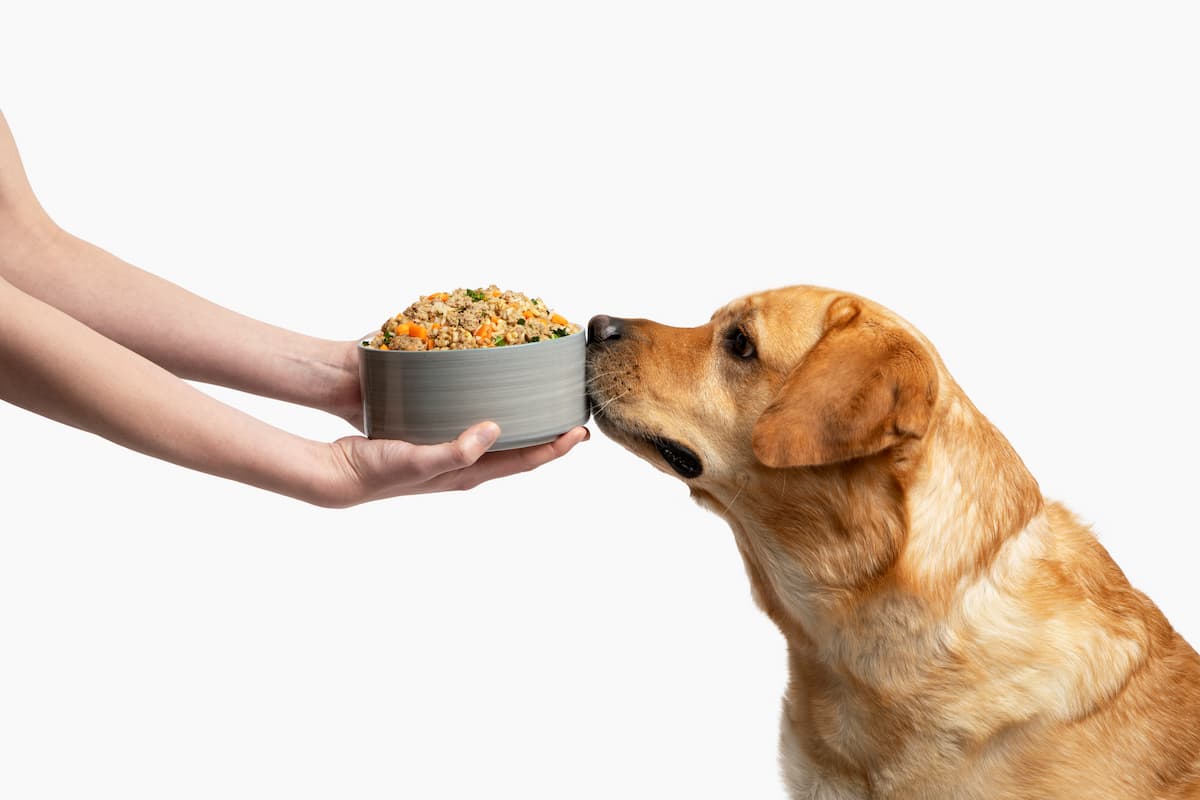
- Diet type (dry kibble vs. fresh or wet food): What your puppy eats also impacts their thirst level. Dry kibble, aka dry puppy food, has a low moisture content, which can make puppies thirsty. Fresh or wet foods contain more moisture and support hydration.
- Size and breed: The bigger your dog, the more water they need. High-energy breeds like Border Collies or Siberian Huskies are active dogs who tend to drink more water to help regulate their temperature and offset fluid loss from activity and panting. Smaller-breed dogs are often less active and need less water. As always, the key is recognizing what’s a normal water intake for dogs.
- llness (vomiting, diarrhea, fever): Puppies experiencing vomiting, diarrhea, or fever can quickly become dehydrated. If your puppy shows such symptoms or has a sudden spike in thirst, consult your vet. This can sometimes be a sign of kidney problems.
Signs of proper hydration in puppies
You can check these signs in your pup to assess if they’re drinking enough water.
Moist (not sticky) gums: One of the quickest checks is your puppy’s gums. If you insert a finger to touch your dog’s gums, they should feel moist and slick, not dry and sticky.
Normal skin elasticity or the “skin tent test”: Gently pinch the skin between your puppy’s shoulders and release it. If it snaps back quickly, that’s a sign your pup is well-hydrated. If not, encourage your puppy to increase his water intake.
Bright, alert eyes: When your pup is happy and healthy, their eyes are bright and clear.
Consistent energy levels: Healthy puppies are energetic and ready to engage with you. Yes, they get tired and need sleep, but when awake, they’re perky.
Regular urination with pale yellow urine: Pay attention to your pup’s bathroom habits. Since you’re potty training, it’s easy to check your pup’s urine. Regular urination with pale yellow urine indicates proper hydration and a healthy dog bladder. If your pup isn’t urinating as frequently or has dark urine, diet may be a culprit, or they could be dehydrated.
These simple, at-home checks give you a clearer picture than obsessing over your dog’s water bowl.
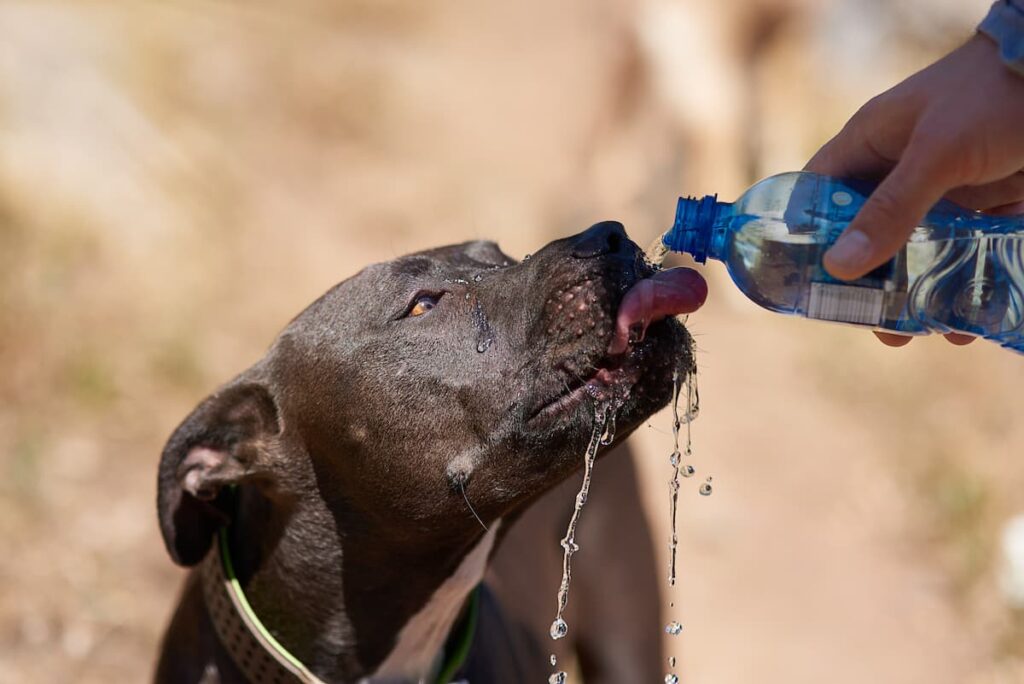
Signs of dehydration in a puppy
Know the early signs of dehydration in a dog so you can react quickly if needed. Puppy dehydration can happen faster than in adult dogs.
- Lethargy: A low-energy puppy may be dehydrated or sick. If yours seems tired or uninterested in playing, even after a rest, offer your puppy a cup of water and monitor how quickly they drink it. You can also try an ice cube. Lots of dogs like to chew on ice. Or, try one of these other strategies.
- Dry or sticky gums: As mentioned above, healthy gums should feel moist and slippery. If they’re dry or sticky, that’s an early sign of dehydration.
- Loss of skin elasticity or the “skin tent test”: Veterinarians routinely use the “skin tent test” to check on a dog’s hydration levels, but you can try it at home. Pinch the skin between your puppy’s shoulders and see how fast it returns. If it remains “up” for several seconds, your puppy may be dehydrated.
- Sunken eyes: The eyes tell a story. A well-hydrated puppy tends to have bright and clear eyes. If their eyes are sunken, dull, or less alert than usual, they can be dehydrated or have a more serious problem requiring a vet’s attention.
- Panting: Dogs pant to regulate their temperature. So if they’re playing hard or it’s hot out, they’ll pant. But if your puppy is panting without these other factors, they may be dehydrated.
- Reduced appetite: Dehydration often accompanies a lack of appetite. If your pup seems unusually picky, give them a quick evaluation for other signs of dehydration.
When to monitor vs. call the veterinarian: If your dog has mild signs of dehydration, like slightly dry gums and is sluggish, encourage your pup to drink some water and monitor them.
But if your puppy has multiple symptoms or gets worse, contact your vet right away.
How to encourage healthy hydration habits
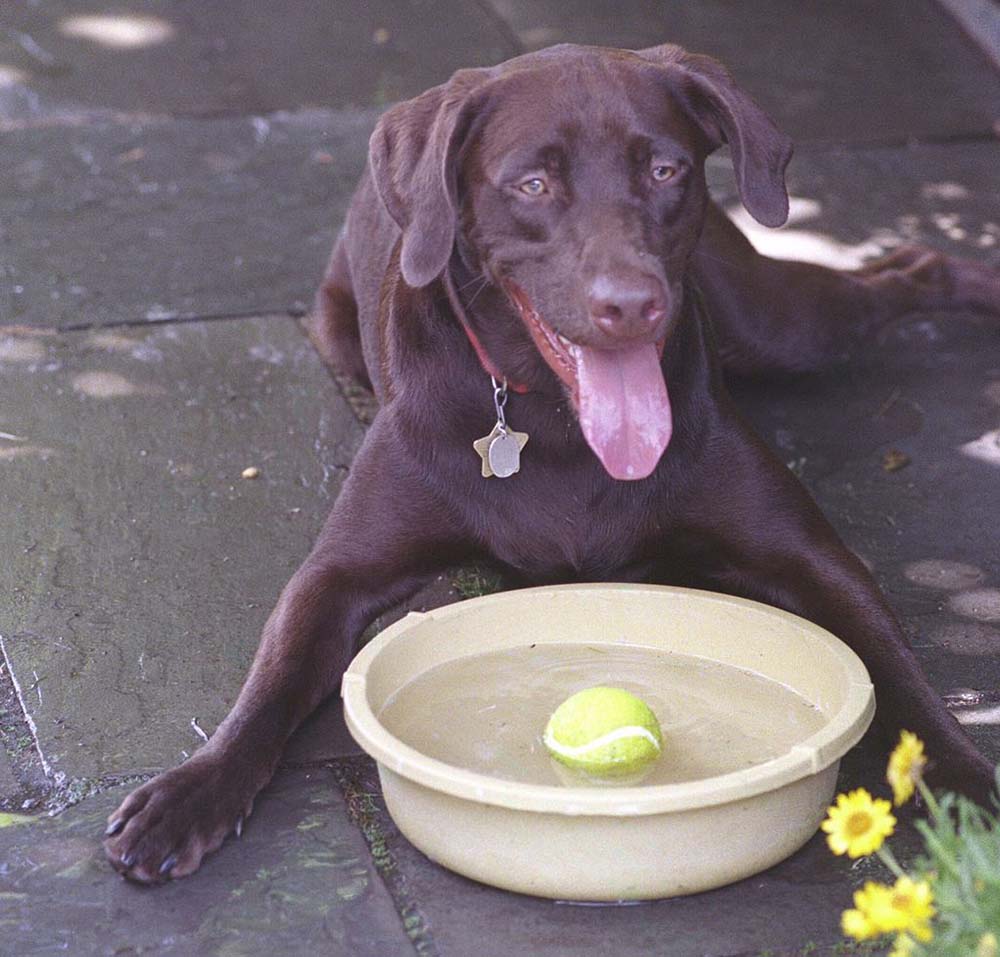
If you’re wondering how to make a dog drink water, these simple habits can help make drinking water easy.
Provide constant access to clean, fresh water
This might sound obvious, but it’s the foundation. Puppies should always have access to clean water for drinking. Dogs drink more water during play, after meals, and in warmer weather.
Wash bowls regularly (yes, more than you think)
Water bowls can develop a thin layer of bacteria (called biofilm) that affects taste and smell. In a word, “yuck!” Wash and rinse your dog’s water bowl every day to keep it clean.
Use a pet fountain
Pet water fountains keep water fresh, encouraging puppies to drink more water.
Use multiple water stations
If your puppy has to go searching for water, they may not bother. Place bowls in a few easy-to-reach spots to encourage more consistent water intake. If you’re crate training your dog, keep a bowl of clean water inside the crate.
Add moisture-rich foods when appropriate
Wet or fresh puppy food can contain up to 85% moisture, which helps support hydration even if your puppy isn’t drinking large amounts from the water bowl. If your puppy is very young and still transitioning from milk, they may still be adjusting to new food and water habits. For older pups, you can offer small amounts of water-based foods, such as cucumbers to chew for extra hydration.
Monitor intake during hot weather or after exercise
Puppies get especially thirsty after play, walks, or spending time in the heat because they lose fluids when panting. Offer fresh, cool water and make sure your puppy drinks from the water bowl.
Make water part of the routine
Puppies thrive on routines. Offering water after outdoor time and training sessions helps them associate these activities with drinking water.
Supporting hydration through balanced nutrition
Hydration also comes from your puppy’s diet. If your puppy eats mostly dry food kibble, know they’re relying on drinking water to stay hydrated since dry kibble contains around 10% moisture.
Balanced nutrition supports digestion, energy levels, and how efficiently your puppy’s body uses water. Hydration also plays a role in skin health, so if your pup is dealing with dryness or itchiness, consider what he’s eating. Here’s how long it takes for a dog to digest food.
If you want to support your dog’s hydration through diet, you can incorporate fresh or wet foods. Brands like JustFoodForDogs offer formulated meals and supplements designed to support overall wellness, including hydration. Some pet parents also explore dehydrated dog food. It supports your pup’s hydration when rehydrating it before serving.