By Elizabeth Kowalski, CVT, FFCP
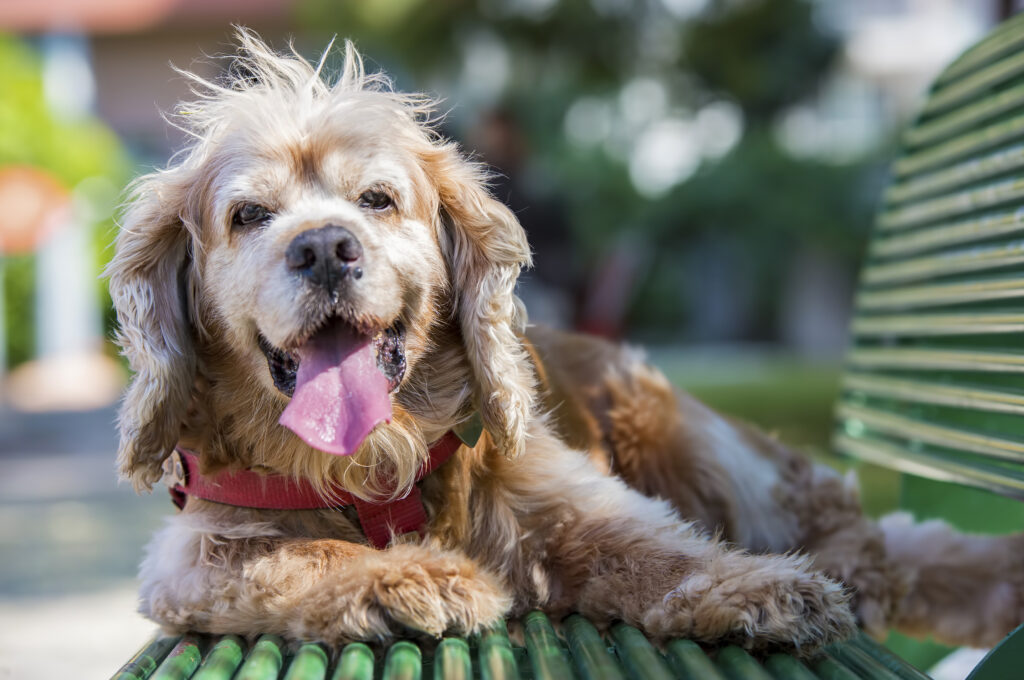
Although summer is many people’s favorite season, hot weather can be dangerous for dogs because they can’t cool themselves down very effectively. Heatstroke can result from exposure to heat and humidity and escalate quickly, becoming a medical emergency.
To protect their pups, pet parents need to be aware of heatstroke warning signs, what to do if their dog shows signs, and how to prevent heat-related illnesses in vulnerable dogs.
What is heatstroke in dogs?
Heatstroke, also called hyperthermia, is a life-threatening emergency that occurs when a dog’s body temperature increases while cooling mechanisms fail. Dogs naturally run a little warmer than people, with normal body temperature ranging from 99℉ to 102.5℉.
Dogs have only a small number of sweat glands on their paws and rely almost entirely on panting to cool down on hot days. Heatstroke develops when high temperatures or humidity cause a dog’s body temperature to rise above 104℉ despite the body’s attempts to cool itself.
Symptoms of heatstroke in dogs
Heatstroke in dogs can develop quickly, and advanced cases are often fatal. Recognizing signs of early heat stress, like panting or red gums, allows you to cool your dog down before things progress.
If the dog is not removed from the heat, symptoms can progress, following a predictable pattern. Call your veterinarian right away if your dog shows any combination of these warning signs after spending time in the heat.
Early signs:
-
- Rapid, exaggerated panting
-
- Thick, sticky drool
-
- Bright red gums
-
- Rapid heart rate
Progressing signs:
-
- Vomiting or diarrhea
-
- Unexplained bleeding
-
- Pale gums
-
- Weakness or collapse
-
- Confusion or disorientation
-
- Loss of consciousness
What causes heatstroke in dogs?
Several factors make dogs more vulnerable to overheating and heat-related illness.
Exercising in hot or humid conditions
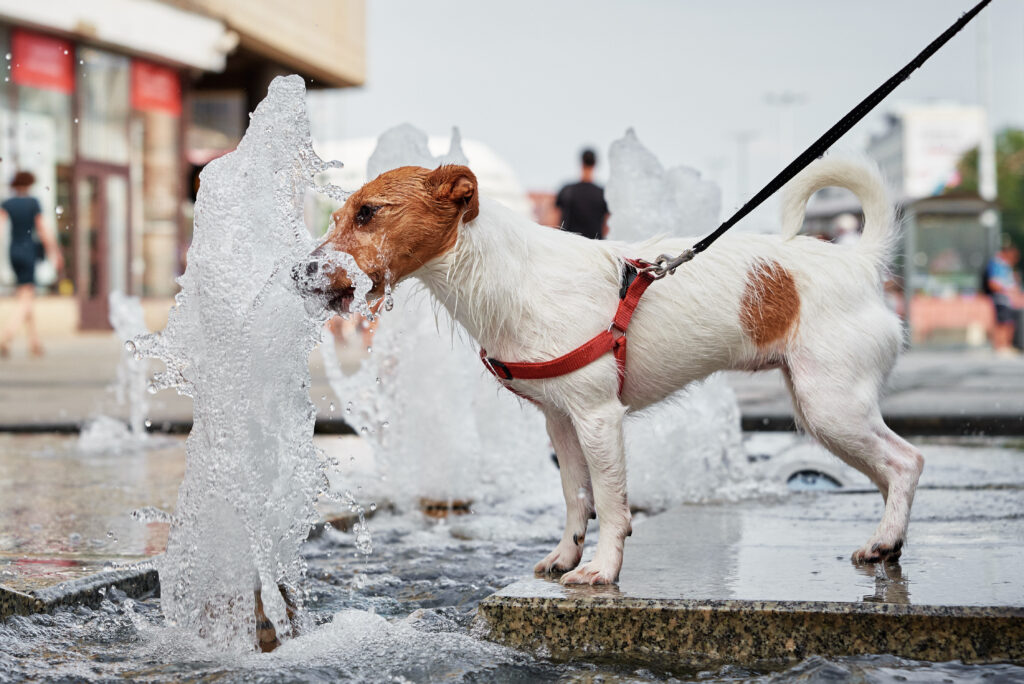
Everyone knows a dog who will play catch until they are ready to collapse. But dogs who exercise in hot weather, especially during high humidity, can overheat quickly. Humidity slows evaporation from the tongue and airways, making panting less effective, and even a short walk on a hot, humid day can push a susceptible dog into heat exhaustion.
Brachycephalic conformation
Flat-faced dogs, known as brachycephalic breeds, are highly susceptible to heatstroke. Breeds like pugs, bulldogs, and Boston terriers have short, narrow, and sometimes obstructed airways that make it hard to move enough air during panting to cool down.
Underlying health conditions
Dogs with heart disease, respiratory problems, or other chronic illnesses face a higher risk of heatstroke because their bodies manage heat and stress less efficiently.
Age and weight
Puppies and senior dogs have trouble regulating their body temperature, making them more susceptible to heatstroke. Overweight or obese dogs, or those with a thick coat, also overheat more easily.
Being left in a hot car
Leaving a dog in a parked car, even briefly, is a recipe for disaster. The enclosed space acts like an oven, with the temperature inside rising rapidly. Even with the windows cracked, a dog left in a hot car can develop heatstroke within minutes.
How heatstroke is treated in dogs
If you suspect your dog has heatstroke, take immediate steps to cool them down. Once stable, your dog will need veterinary care.
Here’s what you can do for your dog at home and what your vet will do in the clinic.
First aid for heatstroke in dogs
If your dog is showing signs of heatstroke, move them into an air-conditioned room or a shaded area. Ideally, submerge the dog’s legs and trunk in cool or cold water, and place them in front of a fan or an air conditioning unit.
Here are a few things to keep in mind:
-
- Avoid wrapping your dog in wet towels, which can trap heat.
-
- You can offer small amounts of water if your dog is awake, but don’t force them to drink.
-
- Stop cooling measures once your dog’s rectal temperature reaches 103℉ and head to the vet. If you have someone to help and working air conditioning in your vehicle, you can continue cooling your pet en route to the veterinary hospital.
Veterinary diagnosis and treatment
Dogs with heatstroke need emergency care to stabilize their condition, followed by hospitalization to monitor for signs of worsening. In severe cases, heatstroke may cause brain swelling, organ damage, or serious clotting problems, which may not be evident right away.
Diagnosis and treatment of heatstroke at a veterinary clinic or emergency animal hospital usually includes:
-
- Hospitalization with intensive care
-
- Body temperature and vitals monitoring
-
- Blood work and urine testing
-
- IV fluids and possibly blood transfusions
-
- Medications to control symptoms and support affected organs
Recovering from heatstroke in dogs
Dogs with only mild heat stress or moderate heat exhaustion who receive treatment right away often recover fully from their illness. However, true heatstroke has a high mortality rate, even with immediate veterinary care.
Recovery for these pets depends on how high the body temperature was and for how long. Around half of dogs who receive prompt treatment can go home after a few days in the hospital, but may suffer lasting effects from their ordeal.
How to help prevent heatstroke in dogs
Prevention is the best way to protect dogs from this dangerous illness.
-
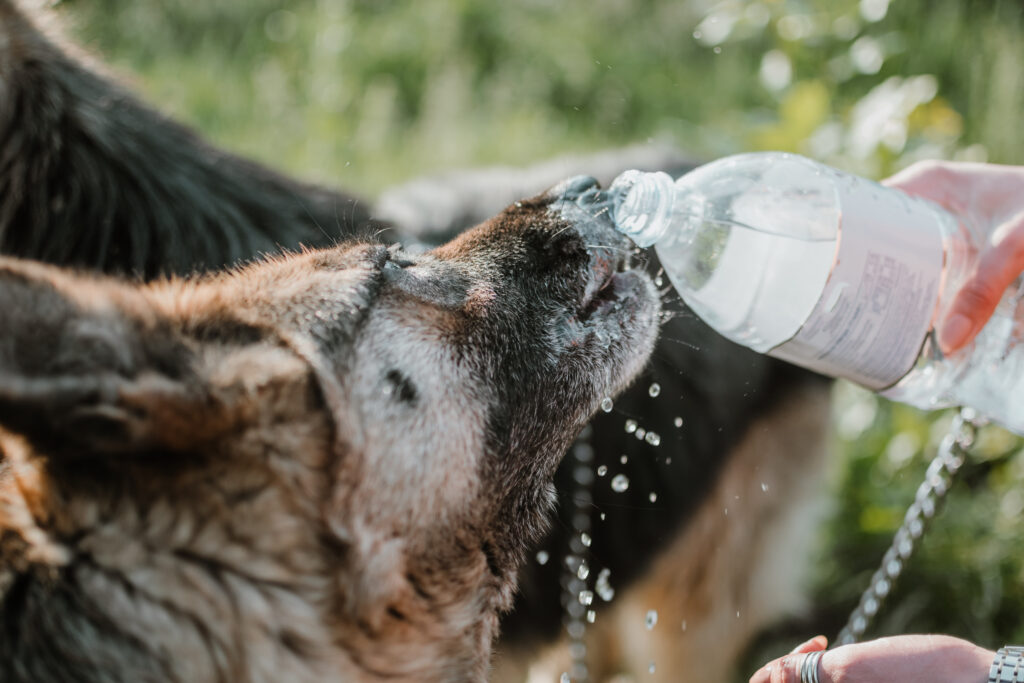
- Provide shade and fresh water outdoors. Ensure your dog has access to a shaded area and a full water bowl on hot days and supervise them closely.
-
- Exercise in the early morning or late evening. Walk and play with your pup during the cooler parts of the day to avoid peak heat and humidity.
-
- Never leave your dog in the car. Temperatures climb rapidly inside a vehicle, and leaving windows open does not keep your pet safe.
-
- Know your dog’s risk. Brachycephalic breeds, senior dogs, puppies, overweight or heavily coated pets, and dogs with health conditions should stay in air conditioning when possible. Take short, frequent trips outside instead of longer walks.
-
- Check the pavement before walks. Hot pavement can burn a dog’s paws and radiate heat upward, thereby raising the dog’s overall body temperature. Place the back of your hand on the ground for five seconds; if it’s too hot for your hand, it’s too hot for your dog.
How nutrition supports your dog’s overall health
Heatstroke is a serious medical emergency, but recognizing the early signs, starting first aid immediately, and getting to a vet without delay can save your dog’s life.
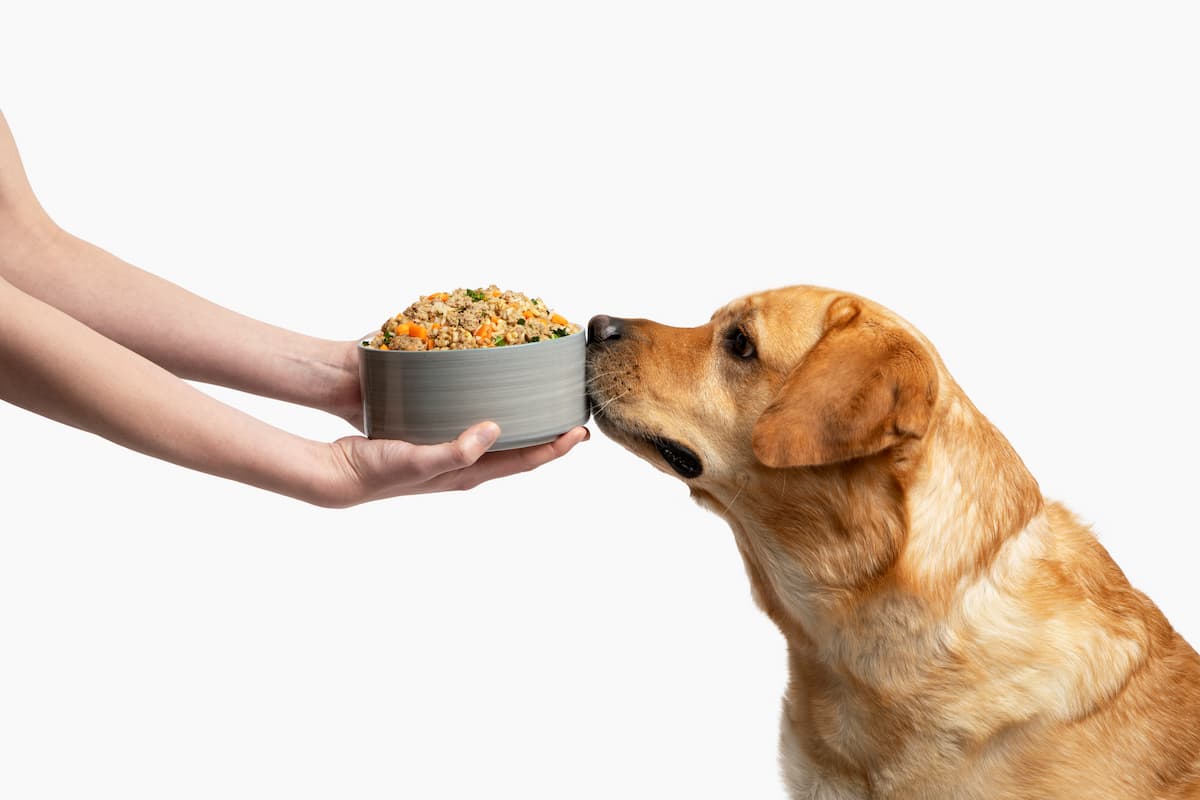
Good nutrition plays an important role in your dog’s health and resilience. Feeding a balanced, high-quality diet can help dogs maintain a healthy weight and support proper organ function and overall well-being, helping them better handle stress or physical challenges.
JustFoodForDogs offers fresh dog food formulas made with whole, human-grade ingredients and designed to support whole-body health. From maintenance needs to targeted nutrition, our team can help you find the formula that’s right for your pup.
Frequently Asked Questions About Dogs and Heatstroke
This content is for informational use only and does not replace professional nutrition and/or medical advice, diagnosis, or treatment. It is not a substitute for and should not be relied upon for specific nutrition and/or medical recommendations. Please follow your veterinarian’s instructions and talk with to them about any questions or concerns.