Every dog owner wants more time with their best friend. Dogs live short lives compared to their human companions because of accelerated aging, but there are things you can do to help maximize your pet’s healthy years.
Dog lifespan can vary widely depending on size, breed, genetics, and the care they receive. While you can’t change your dog’s DNA, you can control some of the factors that affect their quality of life and longevity.
How long do dogs live?
The average dog lifespan is around 10 to 15 years, though dog life expectancy depends on several factors. In general, small dog breeds, such as Chihuahuas and dachshunds, often live into their mid-teens or beyond. However, large dogs and giant breeds, such as Great Danes or Saint Bernards, live shorter average lifespans of around six to eight years.
Breed and size—factors that are genetically determined—are not the only factors affecting how long your dog lives. Lifestyle factors, including diet, exercise habits, veterinary care, and environmental influences, can also influence how long a dog lives. That means there are things you can do to help your dog live longer.
8 ways to keep your dog healthy and help them live longer
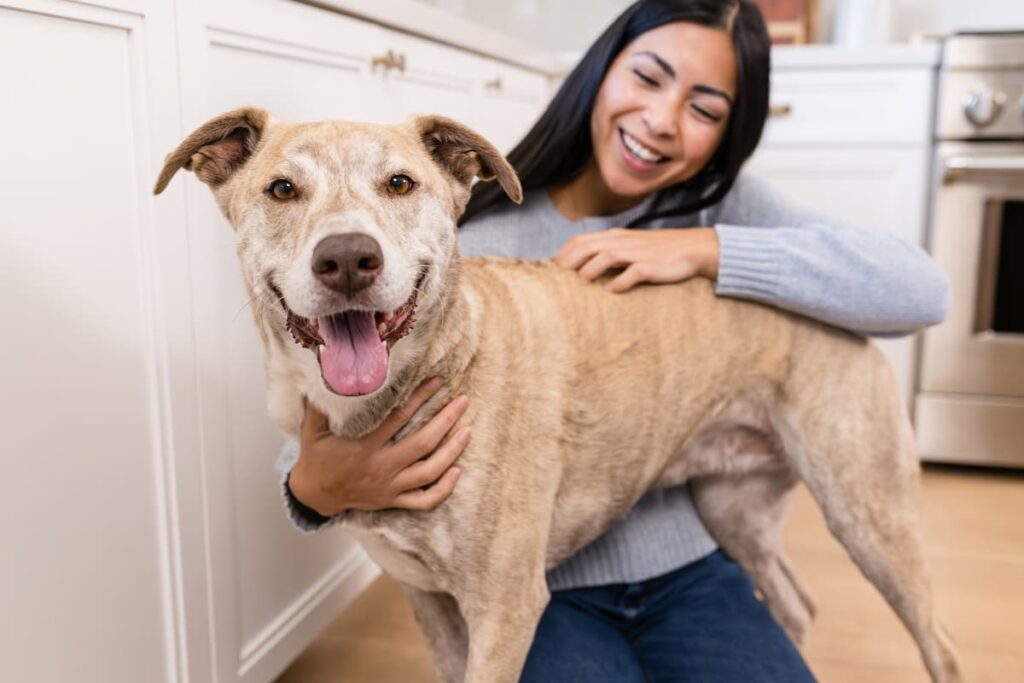
Why do dogs have short lives? Research shows that dogs age quickly, though we are still working to understand why. Despite this, there is still a lot you can do to extend your pup’s years on this earth.
Here are eight things you can do to help your pup live a longer, healthier life.
1. Feed a complete, balanced diet
Have you heard the saying, “You are what you eat?” Your dog’s diet influences their long-term health. A complete, balanced diet is the foundation for whole-body function and supporting healthy aging. The best dog food for longevity uses high-quality, whole-food ingredients and is formulated to meet your dog’s specific nutritional needs.
2. Keep your dog active
Exercise and physical activity help your dog maintain a healthy weight, support healthy joints and muscles, strengthen the heart and lungs, and can help burn excess mental energy for improved behavior.
The type and amount of exercise your dog needs depend on their age, breed, and current fitness level. Puppies and younger dogs have lots of energy to burn, but they may need to start with short, frequent sessions and build up to longer sessions over time. Senior dogs need low-impact, gentle activity. The important thing is to keep your pup moving every day.
3. Prioritize preventive veterinary care
Routine vet visits can help proactive pet parents identify health problems in their earliest stages, before they become serious or more difficult to treat. Preventive care your vet may recommend includes vaccinations, parasite prevention, parasite screening, and wellness exams.
During preventive care visits, your vet will also screen your dog for common conditions such as arthritis, kidney disease, and cancer, which can affect their quality of life and longevity. Serious or chronic health conditions like these are often treatable, but the earlier you intervene, the more likely it is that treatments will extend your dog’s life.
4. Support dental health
Dental disease can cause chronic oral pain and other health problems. Bacteria from tartar buildup and infected gums can enter the bloodstream and damage the heart, kidneys, and other essential organs. Professional dental cleanings performed by a vet, alongside routine toothbrushing and other home care techniques, will help keep your dog’s teeth and gums healthy.
5. Offer enrichment and mental stimulation
Enrichment helps keep your dog mentally sharp and can reduce anxiety, boredom, and destructive behavior. Activities like puzzle feeders, training sessions, sniff walks, and social time with other animals are especially valuable for senior dogs, whose cognitive function can decline with age and impact dog life expectancy. Keeping your pup’s mind active may help slow that process and support more healthy years.
6. Maintain a healthy weight
Obesity and being overweight are linked to conditions like arthritis, cancer, and kidney disease in dogs, with studies finding that extra weight can shorten dogs’ lives by up to two years. Feeding a protein-rich, balanced diet in the appropriate portions, limiting table scraps, and working closely with your vet are steps you can take to help your dog stay lean.
7. Make informed decisions about spaying or neutering
Veterinarians recommend spaying or neutering to extend dog lifespan. According to researchers at the Dog Aging Project, sterilizing dogs can help females live 26% longer, and males 14% longer. This is because removing the reproductive organs and reducing hormone production lowers the risk of common cancers and infections.
However, spayed and neutered dogs may be at higher risk of certain orthopedic health issues and some non-reproductive cancers. The best timing for surgery depends on your dog’s breed, size, and individual health factors, so speak with your vet to make the best choice.
8. Choose treats thoughtfully
Giving your dog treats can help you form a close bond with your pet and help with positive reinforcement training techniques. However, choosing unhealthy treats or feeding too many of them can contribute to obesity, which has an impact on longevity. Choose treats made from simple, high-quality ingredients and keep them to less than 10% of your pup’s total daily calories.

Supporting your dog’s health for the long run
Exercise, preventive care, and enrichment are all meaningful ways to support your dog’s health. Especially when paired with whole-food, human-grade meals that offer quality ingredients designed to keep your dog feeling their best through every stage of life.