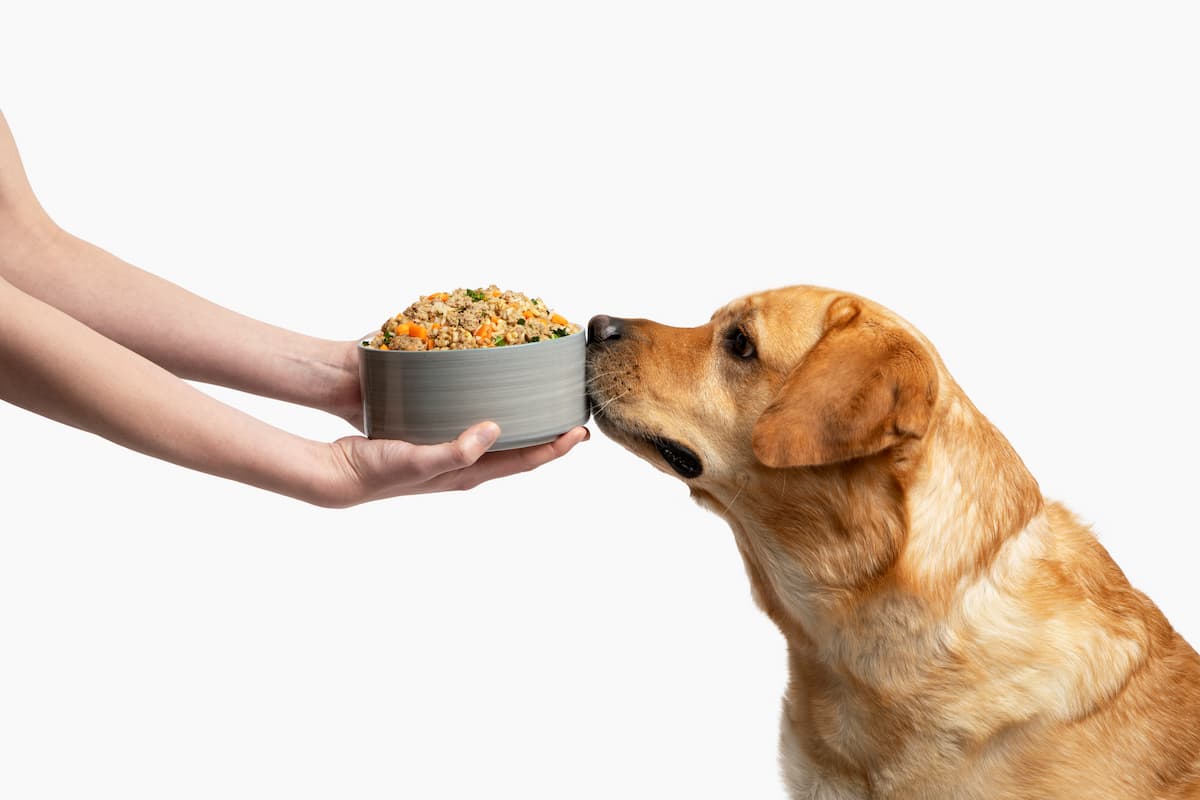
- Yes, healthy dogs can eat turkey when it's plain, fully cooked and boneless. It's a good source of lean protein, amino acids and B vitamins.
- Skip the bones, skin, seasonings, gravy and stuffing. Cooked bones can splinter, fatty skin can lead to issues in some pups, and garlic and onion are unsafe for dogs.
- Avoid raw turkey and deli meat. Raw poultry can carry Salmonella, and sliced turkey is often high in sodium and preservatives. Cook turkey to 165 degrees Fahrenheit.
- Keep portions small. Turkey served as a treat or topper should be 10 percent or less of daily calories. For regular feeding, use a complete and balanced diet.
This article was updated by Jen Phillips April.
Who hasn’t slipped their pup a taste of turkey at Thanksgiving? And the dog likely gobbled it up and begged for more. There is good news if you’re asking, can dogs eat turkey? Yes, most healthy dogs can as long as it’s cooked properly and served as part of a balanced diet.
Plain, fully cooked turkey can provide dogs with protein, amino acids, vitamins and minerals. But (you know there’s a but) not every part of the bird is safe for your dog. Bones, excess fat and seasonings can all make your pup sick.
Here’s what pet parents need to know about the benefits of turkey for dogs, what to avoid, how to prepare it safely and how much turkey dogs can eat. You can find out more about which human foods dogs can safely eat, including protein, vegetables and fruits safe for dogs.
Is turkey safe for dogs?
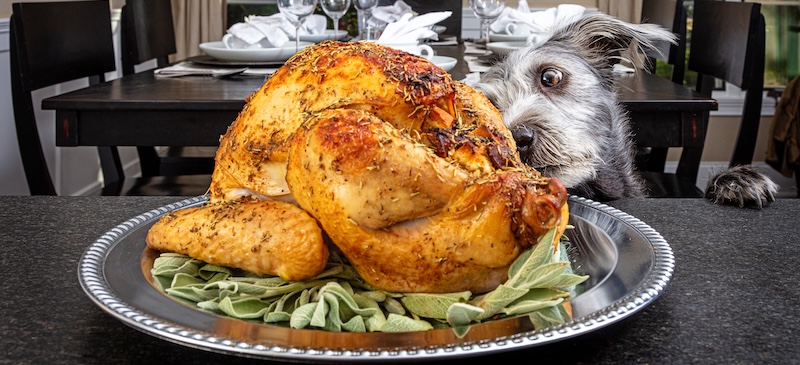
Yes, turkey is safe for most healthy dogs when it’s cooked and plain. Board Certified Veterinary Nutritionist Dr. Dan Su, MS, DVM, DACVIM-Nutrition, explained, “Turkey is a good source of lean protein, amino acids, vitamins and other nutrients.”
Ground turkey is one of the easiest ways to incorporate turkey into your dog’s diet. White and dark meat, along with cooked turkey organs, can also add dietary value, although their nutritional profiles differ. The same principle applies to other proteins too.
Preparation and portion size matter whether you’re feeding your dog turkey, fish or dark meat chicken.
Preparation is important for your dog’s safety. Avoid turkey prepared with added seasonings, butter, oils, gravy, onion or garlic. Any turkey you give your dog should also be cooked completely through.
“Poultry is a breeding ground for bacteria like Salmonella and listeria, which can make a dog — or person — seriously ill,” said Su. “You have to make sure to cook any turkey you give your dog to a safe temperature.”
According to U.S. Department of Agriculture’s food safety standards, poultry should reach an internal temperature of 165 degrees Fahrenheit.
Raw turkey is not recommended because it can carry harmful bacteria, such as Salmonella.
What are the benefits of feeding turkey to dogs?
Is turkey good for dogs? When properly prepared and incorporated into a nutritionally balanced diet, it can be for most healthy dogs.
Turkey provides several important nutrients, including:
- Lean protein and amino acids: Protein and amino acids help support healthy muscles and other essential functions throughout the body.
- Selenium: This essential mineral supports several important body processes, including normal thyroid and immune function.
- Niacin and other B vitamins: Turkey provides B vitamins that help the body convert food into energy and support normal cellular function.
- Iron: Iron is necessary for producing hemoglobin, which carries oxygen throughout the body.
- Zinc: Zinc may help support healthy immune system function, skin health and other essential processes.
- Phosphorus and potassium: These minerals support functions including healthy bones, muscles, nerves and cells.
Different parts and preparations of turkey have different nutritional profiles.
“For example, turkey skin is high in fat. That’s OK in small portions. Too much could cause your dog to gain weight and may lead to health issues like pancreatitis,” said Su. “Then, there are the organs. For example, turkey liver is packed with nutrients, but if your dog is already eating a nutrient-rich diet, you risk the dog ingesting too much of a particular nutrient, and that can actually be harmful.”
That’s why adding turkey to a dog’s diet involves more than simply mixing some meat into regular dog food. Once you start combining ingredients, it’s easy to lose sight of the overall nutrient balance.
If you want to make turkey a regular part of a homemade diet, work with your veterinarian or a veterinary nutritionist, and use a nutritionally complete homemade dog food recipe to ensure your dog gets a complete and balanced meal.
Ground turkey can be particularly useful because it comes in different fat levels.
“Ground turkey is very good for dogs,” Su said. “It’s a versatile meat that’s readily available in different lean-to-fat ratios. You can go to the grocery store and buy ground turkey that’s 99 percent lean, 93 percent lean or 85 percent lean. All have different nutritional properties and can achieve different health goals.”
“For example,” Su continued, “if your dog is experiencing gastrointestinal (GI) upset, a veterinarian might recommend a homemade diet of boiled chicken and white rice. If you’d like, use 99 percent lean ground turkey in place of the chicken.”
What are the risks of feeding turkey to dogs?
Is turkey bad for dogs? Not necessarily.
Turkey meat isn’t unsafe for most healthy dogs, but certain parts of the bird and preparation methods can create unnecessary risks.
Bones
Never give your dog cooked turkey bones. Poultry bones can splinter or become lodged in the digestive tract, creating a choking hazard or intestinal obstruction.
“We all know how dogs eat,” Su said. “They’re not chewing carefully — they just sort of swallow.”
If your dog eats turkey bones and develops digestive issues such as vomiting, diarrhea, constipation, stomach upset or other signs of GI distress, contact your vet.
Turkey necks also contain bones that can be choking hazards.
Skin and excess fat
Turkey skin can be fatty. Fatty foods such as turkey skin and drippings can cause digestive issues or even potentially contribute to pancreatitis.
This is especially important with holiday turkey, which may have been prepared with butter, oil, drippings or other high-fat ingredients.
Tendons
Turkey tendons can also present a choking risk.
“I’ve seen tendons made into chewing treats,” Su said. “But if the pieces are too big, they can be difficult to eat and swallow. They can present the same choking concern as bones.”
If you’re looking for a safer way to give your dog something special, choose appropriately sized dog treats.
Tails
Turkey tails contain bones and are high in fat. They are not a good choice for your dog. Instead, stick with small portions of plain, cooked turkey meat as part of a complete and balanced diet.
How to safely feed turkey to your dog
Whether you want to make turkey a regular part of your dog’s diet or you’re preparing for Thanksgiving, these are some guidelines:
- Keep it plain and unseasoned. Choose cooked turkey without added salt, spices, butter, oils or sauces.
- Check for potentially harmful ingredients. Turkey prepared for people may contain garlic and onion or other ingredients that aren’t safe for dogs.
- Remove the skin, excess fat and drippings. These can significantly increase the fat content of an otherwise lean piece of turkey.
- Remove every bone. Carefully check the meat before serving it to your dog.
- Cut turkey into small pieces. Cut turkey into small portions your dog can easily bite and chew to reduce choking risk.
- Keep extras small. When turkey is being offered as a treat rather than as part of a complete and balanced recipe, it should count toward your dog’s daily treat allowance.
- Talk to your veterinarian. If you want to incorporate turkey regularly into your dog’s diet, particularly as part of homemade dog food, your veterinarian or a veterinary nutritionist can help you create an appropriate feeding plan.
Ground turkey can be especially convenient because it has no bones to remove. Su advised cooking human-grade ground turkey meat thoroughly on the stovetop, oven or slow cooker.
How much turkey can you give your dog?
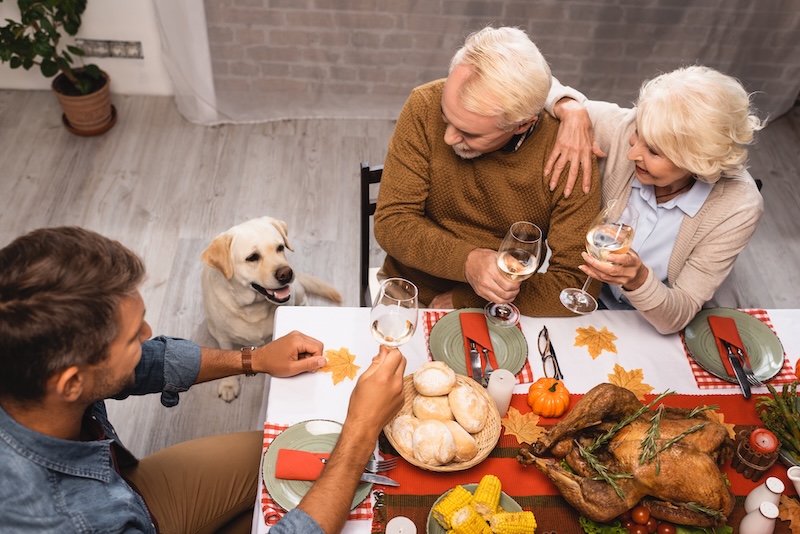
How much turkey your dog can eat depends on how it fits into the overall diet.
If you’re offering plain cooked turkey as an occasional snack or topper, treats and other foods outside your dog’s complete and balanced diet should generally account for no more than 10 percent of its daily calories. That includes dog-friendly snacks like bananas or cucumbers.
“There’s a big difference between sneaking your dog a small quantity of the Thanksgiving turkey and making turkey a balanced part of their diet,” Su said. “You want the turkey to be a part of their daily calories, not a treat that you give them on top of their existing meals.”
If you want turkey to make up a larger portion of your dog’s diet, work with your vet or a veterinary nutritionist rather than simply increasing the amount. They can help ensure the overall diet provides the right balance of calories and essential nutrients.
Good nutrition Helps Maintain dog health inside and out
Plain, cooked turkey can be a nutritious addition to most healthy dogs’ diets. The key is preparation and balance: Remove bones, skin, and excess fat; skip seasonings and potentially harmful ingredients; and keep portions appropriate.
And remember that no single ingredient provides everything your dog needs. A complete and balanced diet supplies protein, fats, vitamins, minerals and other essential nutrients in the appropriate amounts to support your dog’s overall health.
Whether you choose fresh frozen or shelf-stable meals, look for complete and balanced nutrition designed to meet your dog’s nutritional needs.
Frequently asked questions
Can dogs eat turkey every day?
Yes. Most healthy dogs can eat turkey daily as part of their complete and balanced diets. If you offer your dog plain, cooked turkey separately as a treat or topper, keep it to 10 percent or less of your dog’s daily calories.
Can dogs eat turkey lunch meat or sliced turkey?
Turkey lunch meat, deli meat and other processed sliced turkey aren’t the best choices for dogs. Deli meat can contain high levels of sodium as well as preservatives and seasonings.
A small piece may not cause problems for a healthy dog, but plain, freshly cooked turkey is a better option when you want to share turkey with your pet.
How can pet parents work turkey into a balanced diet for their dogs?
Pet parents can choose a complete and balanced dog food recipe formulated with turkey as the primary protein source, such as Turkey & Whole Wheat Macaroni, available fresh and frozen or as a shelf-stable option.
If you’re preparing your dog’s meals at home, you can use a DIY option or work with your veterinarian or a veterinary nutritionist to ensure the recipe provides all the nutrients your dog needs. For dogs with particular dietary needs, turkey-based options are available, such as dog food for sensitive stomachs.
When you're considering other foods as occasional additions, it's worth checking them individually, too. For example, some snacks can be appropriate for dogs, while foods that seem innocuous may need limits or special preparation. That applies to foods such as pasta and noodles as well as fruits and vegetables.
Can dogs eat turkey with gravy or stuffing?
No. Gravy and stuffing usually contain garlic and other seasonings that can be toxic to dogs. Be safe with your dog’s health, and set aside a small amount of plain, cooked turkey without seasonings, gravy or stuffing.
Can dogs eat turkey giblets or organ meat?
Cooked turkey giblets, including the liver, kidneys, gizzard and heart, can be safe for most healthy dogs and are nutrient-rich.
“Organs are high in essential nutrients and vitamins,” Su said. “Just be sure that you’re not overdoing it and giving your dog too much of any one nutrient. A balanced diet is key.”
Avoid simply adding large quantities of organ meat to an already complete diet. If you want giblets or other organ meats to be a regular part of your dog’s meals, ask your veterinarian or a veterinary nutritionist about appropriate amounts.
Is dark meat or white meat turkey better for dogs?
Both white and dark turkey meat can be appropriate for most healthy dogs when they’re plain, fully cooked and boneless.
White meat, including turkey breast, is leaner and lower in fat, while dark meat contains more iron and B vitamins but is higher in fat and calories. The better choice depends on your dog’s overall diet and nutritional needs.
Can dogs eat raw turkey?
Dogs should not eat raw turkey. Raw poultry can carry harmful bacteria, such as Salmonella and E. coli, that can make pets and people sick.
Cook turkey thoroughly before feeding it to your pet, and keep raw turkey and its juices away from other foods and surfaces to reduce the risk of bacterial contamination.
- U.S. Department of Agriculture, Food Safety and Inspection Service. (n.d.). Safe minimum internal temperature chart.
- Marangoni F, Corsello G, Cricelli C, Ferrara N, Ghiselli A, Lucchin L, Poli A. Role of poultry meat in a balanced diet aimed at maintaining health and wellbeing: an Italian consensus document. Food Nutr Res. 2015 Jun 9;59:27606. doi: 10.3402/fnr.v59.27606. PMID: 26065493; PMCID: PMC4462824.
- Lem KY, Fosgate GT, Norby B, Steiner JM. Associations between dietary factors and pancreatitis in dogs. J Am Vet Med Assoc. 2008 Nov 1;233(9):1425-31. doi: 10.2460/javma.233.9.1425. PMID: 18980495.
- Príncipe LA, Marchi PH, Amaral AR, Pedrinelli V, Zafalon RVA, Romano FS, Balieiro JCC, Vendramini THA. Assessment of the Nutritional Impact of the 10% Snack Recommendation in Pet Diets. Vet Sci. 2025 Mar 18;12(3):282. doi: 10.3390/vetsci12030282. PMID: 40266981; PMCID: PMC11945345.
- Thompson, L. J. (2022, May). Salt toxicosis in animals. In Merck Veterinary Manual (Professional version). Merck & Co., Inc.