Feeling constipated is uncomfortable. No one wants to have trouble with their bowel movement, including your dog.
Dog constipation can make bowel movements difficult, painful, or infrequent. While mild constipation may improve with appropriate home care, other cases require veterinary guidance. Constipation can be a symptom of a digestive problem or other medical condition.
When you know the signs of constipation in dogs, and the typical causes and treatments of dog constipation, you’ll know when to seek veterinary care and help your dog find relief.
What is dog constipation?
Dog constipation occurs when a dog has difficulty passing stool normally or goes a long time between bowel movements. Constipated dogs may strain to defecate or not produce any stools. A constipated dog may still produce small, dry stools, though. In general, a dog is considered constipated after going 48-72 hours without a bowel movement, though every dog’s normal routine may vary. If your dog is constipated for more than a couple of days or develops other symptoms, contact your veterinarian for guidance.
Signs of constipation in dogs
Let’s start with the basics, and what’s more basic than the signs your dog is having problems defecating?
According to the American Kennel Club, there are several common signs of constipation in dogs:
- Lack of defecation for a few days or more.
- Hard stools or very dry stools — these can be so hard, you’ll think they’re a rock.
- Tenesmus, which simply means straining to defecate with little or no results — your pooch might produce a small amount of liquid feces, and it might have some blood in it, but he’s not producing much.
- Scooting on the floor or ground to try to move things along.
- Dyschezia, which simply means painful defecation — you might hear your buddy yelping a little as they try to defecate.
- Obstipation is the result of severe constipation that has caused your furry friend to retain hard, dry feces for a prolonged period of time. If your buddy has obstipation, he won’t be able to defecate.
Causes of constipation in dogs
There are several possible causes of dog constipation. The most common cause is often that a dog has ingested something that is irritating or that his digestive tract can’t digest. For example, many long-haired dogs have problems with constipation because of the hair they ingest when they groom themselves. If the pup has matted hair, they may swallow even more loose hair, increasing their risk of digestive problems and constipation.
Long hair is not the only cause, however, as there are many other causes of constipation in dogs, including the following:
- A blockage from something he has eaten that has become lodged in his intestines. This is clearly a very serious digestive problem that requires emergency medical treatment.
- Diseases common in a dog’s digestive system that can cause chronic constipation, like certain neuromuscular problems that affect the colon.
- An enlarged prostate can cause secondary problems, like a swollen bladder, that can ultimately result in constipation.
- Certain medications, including diuretics, narcotic pain relievers, and antihistamines.
- Injuries or abnormalities of the pelvis can make it difficult to pass stool.
- Tumors or other types of masses in the colon or rectum.
- Dehydration, which results when your pooch doesn’t get enough water and makes stools very hard and difficult to pass.
- Megacolon, which is a condition in which the colon is enlarged and the movement of the colon is weakened.
- Certain hormonal diseases like hypothyroidism or hyperparathyroidism.
- Lack of exercise, which can result in a slowing of the movement of the intestines and more water resorption.
- Neurological diseases that can alter the normal movement of the intestines.
- Fear or anxiety that alters your dog’s ability to have normal bowel movements.
- A sudden change in diet.
How do veterinarians diagnose constipation in dogs?
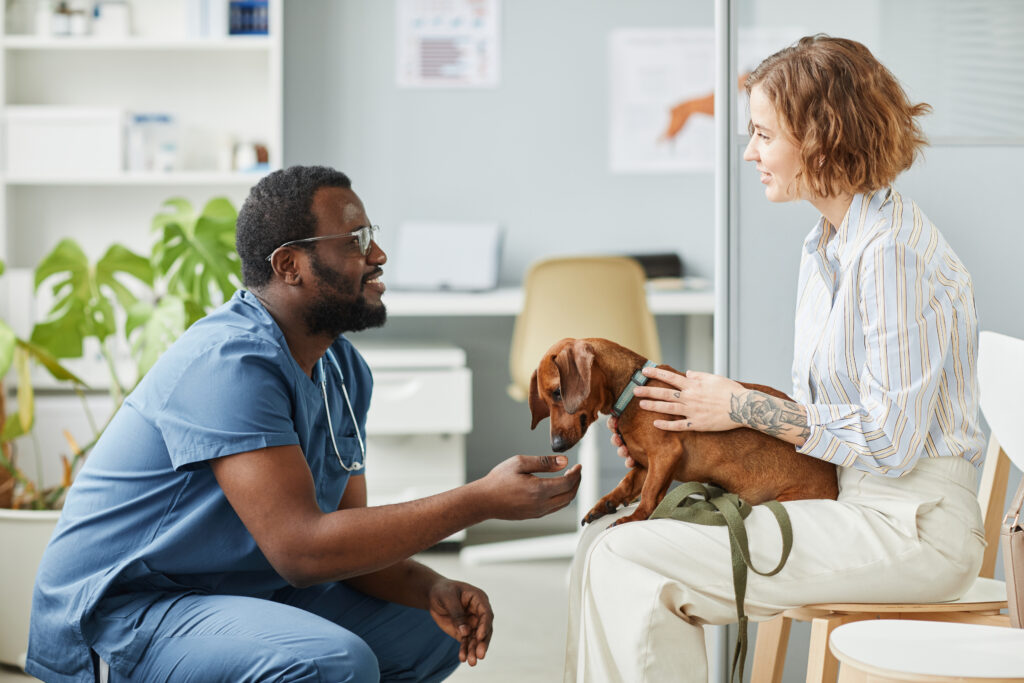
Veterinarians typically diagnose dog constipation by reviewing your dog’s medical history and performing a physical examination. During the exam, your veterinarian may gently feel your dog’s abdomen to check for a firm or enlarged colon. If the cause isn’t clear or a blockage or underlying medical condition is suspected, additional tests such as X-rays, bloodwork, or other diagnostic tests may be recommended.
Dog constipation treatment
Treatment for dog constipation depends on the underlying cause and the severity of your dog’s symptoms. Your veterinarian may recommend one or more of the following treatments:
Enemas administered by a veterinarian to help remove the impacted stool. Owners should never give an enema at home unless specifically instructed by their veterinarian.
Prescription stool softeners or laxatives to help your dog pass stool more comfortably. Always use these medications exactly as directed by your veterinarian.
Fluid therapy to correct dehydration, which can contribute to hard, dry stools and make dog constipation worse.
Dietary management for dogs with chronic or recurring constipation. Your veterinarian may recommend adjusting your dog’s fiber intake or moisture content based on the underlying cause.
Treatment for the underlying condition if constipation is caused by a blockage, hormonal disorder, neurological condition, enlarged prostate, or another medical problem.
Dog constipation home remedies
If your dog has mild constipation, your veterinarian may recommend trying safe home remedies before more advanced treatments. Always talk to your veterinarian before making changes to your dog’s diet, adding supplements, or giving any medications.
- Plain canned pumpkin (not pumpkin pie filling) provides soluble fiber that may help soften stool and support regular bowel movements in some dogs.
- Wet or canned dog food can increase moisture intake, which may help make stool easier to pass.
- Fiber supplements may be recommended to help support healthy stool consistency for some dogs.
- Electrolyte supplements may help dogs recovering from dehydration when recommended by a veterinarian.
- Veterinarian-approved stool softeners may be appropriate for some dogs but should never be given without professional guidance.
- Encouraging your dog to drink more water can help prevent stools from becoming dry and difficult to pass.
- Regular exercise helps stimulate normal intestinal movement and supports healthy digestion.
When to see a veterinarian
Contact your veterinarian if your dog hasn’t had a bowel movement in 48 to 72 hours, repeatedly strains without producing stool, cries while trying to defecate, develops vomiting or loss of appetite, has a bloated abdomen, or passes persistent blood or mucus in the stool.
If your dog’s constipation is chronic, meaning long-term, it’s time to go to the vet. Chronic constipation can lead to obstipation, where dried fecal material gets stuck in the intestinal tract. What’s more, obstipation can contribute to megacolon, which is when the colon becomes distended and can actually lose the ability to move feces along.
The role of diet in dog constipation
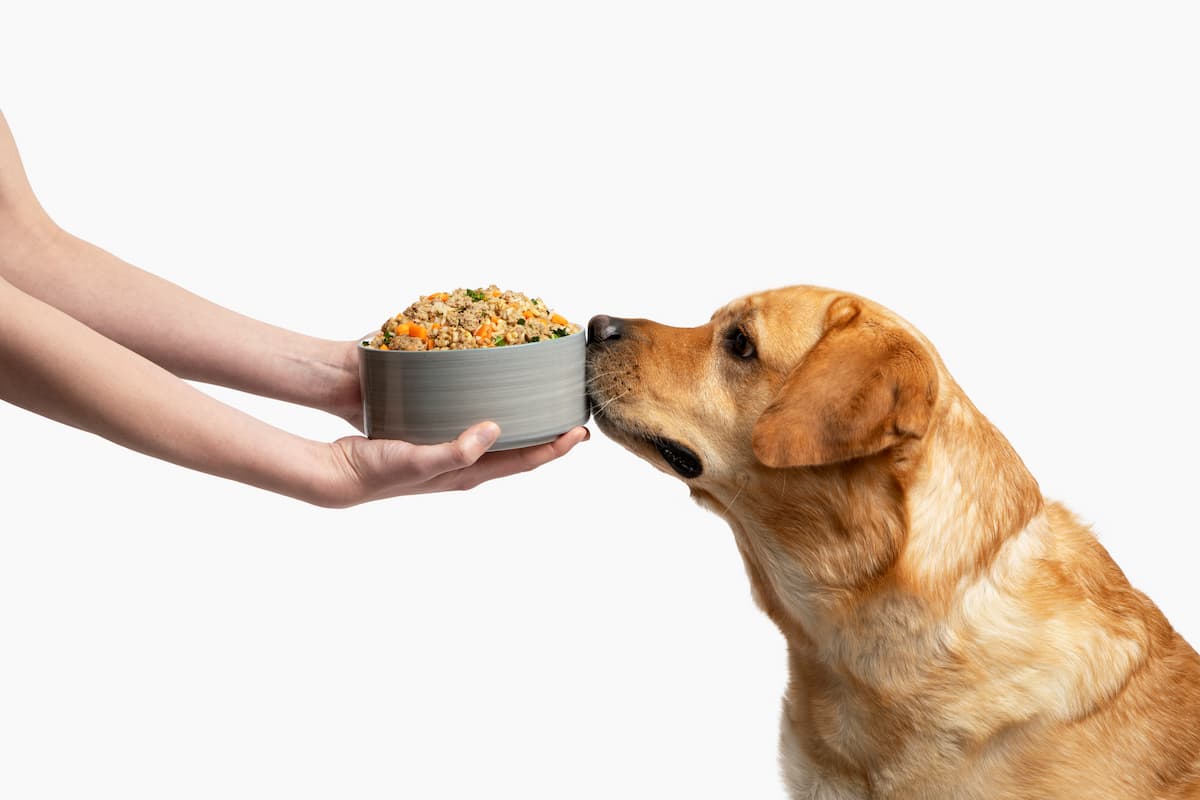
A dog’s diet plays an important role in digestive health and stool regularity. The moisture and fiber content of food can influence how easily stool moves through the digestive tract. Diets with adequate moisture help support hydration, while appropriate amounts of fiber can promote healthy stool consistency and regular bowel movements. If you’re wondering how long it takes for a dog to digest food, it does depend on the diet.
Every dog has different nutritional needs, so the ideal balance of moisture and fiber depends on factors such as age, activity level, overall health, and any underlying medical conditions.
Good nutrition plays an important role in supporting healthy digestion. JustFoodForDogs offers a variety of human-grade, fresh dog food diets for healthy pets and those with special nutritional needs. If your dog experiences recurring constipation or other digestive concerns, ask your veterinarian whether a targeted nutrition plan or therapeutic diet is right for your pet.