Pumpkin is a popular food pet parents often reach for when their dog has diarrhea. But does pumpkin actually help? Its soluble fiber may help firm loose stools in some dogs with mild digestive upset, but the type and amount of pumpkin matter.
In this article, you’ll learn how pumpkin’s fiber supports digestive health, which forms of pumpkin are safe, how much to feed, and when to call your veterinarian. Before adding pumpkin, or any new food, to your dog’s diet, talk with your veterinarian.
How fiber in pumpkin supports your dog’s digestive health
When used as an ingredient in a nutritionally balanced diet, the benefits of pumpkin for dogs include fiber and several important nutrients, such as:
- Potassium: supports muscle health and metabolism
- Vitamin A: promotes healthy eyes and improved skin and coat
- Vitamin C: supports a healthy inflammatory response
- Beta carotene: supports eye health
But many pet parents know pumpkin for its reputation as a natural remedy for mild digestive upset.
Pumpkin contains soluble fiber, which absorbs excess water in the digestive tract. This can firm loose stools in dogs with mild diarrhea while supporting more normal bowel movements.
Pumpkin’s fiber may also help dogs with the opposite problem. According to the Merck Veterinary Manual, canned pumpkin can act as a stool softener for dogs with mild cases of constipation.
Pumpkin also contains prebiotic fiber that helps nourish the beneficial bacteria naturally found in your dog’s gut. A healthy gut microbiome supports normal digestion and overall gastrointestinal health.
What kind of pumpkin is safe for dogs
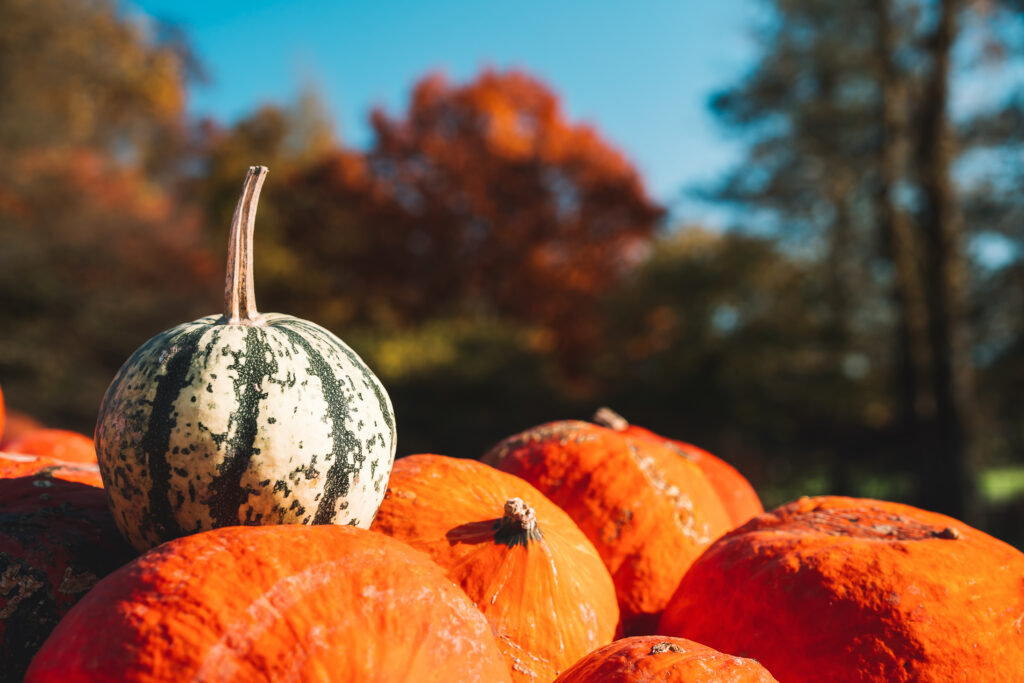
Not all pumpkin products are safe for your pooch. Stick with plain pumpkin without added sugars, salt, spices, or sweeteners.
Safe forms of pumpkin
Plain canned pumpkin: Choose 100% pure pumpkin without added sugars, spices, salt, or fillers. Read the ingredient label carefully.
Cooked fresh pumpkin: Remove the seeds and skin before cooking. Allow the cooked pumpkin to cool before feeding it to your dog. Prepare and store pumpkin safely if you don’t plan to feed it to your dog right away.
Pumpkin powder made for pets: Follow the manufacturer’s feeding directions and discuss supplements with your veterinarian.
“When choosing a pumpkin product, make sure to choose sources that are 100% pumpkin, not pumpkin pie mix,” Su recommends. “So whole pumpkin can be purchased and cooked at home, or plain canned pumpkin would be fine as well.”
Pumpkin forms to avoid
Pumpkin pie filling: It may contain added sugars and spices like nutmeg that can cause digestive problems. Sugar-free products may contain xylitol, which is toxic to dogs.
Pumpkin with added ingredients: Avoid canned pumpkin with added salt, sweeteners, or seasonings.
Raw pumpkin: Raw pumpkin can be difficult for dogs to digest and may contribute to digestive upset.
Keep your pup away from old or carved jack o’lanterns, too. Pumpkins left outside can rot or become contaminated and shouldn’t be eaten.
Feeding too much pumpkin can also cause gastrointestinal upset, so more isn’t necessarily better.
How much pumpkin to give your dog
Pumpkin is often recommended as a source of fiber for dogs with digestive issues. Still, according to Board Certified Veterinary Nutritionist, Dr. Dan Su, MS, DVM, DACVIM-Nutrition, you may need more pumpkin than expected to get a significant amount of fiber.
“While pumpkin is healthy and is commonly talked about as a fiber source that helps dogs with diarrhea, constipation, and various other disease processes that may benefit from fiber, a lot of pumpkin would actually be needed to provide a significant amount of fiber,” explains Su.
So how much pumpkin puree should you give a dog?
“If a pet parent wants to try pumpkin for a dog’s digestive health, they can start with one tablespoon per meal per 20 pounds of dog and increase as needed by 0.5 to 1 tablespoon of pumpkin at a time,” says Dr. Su. He advises using it until stools return to normal.
That means the appropriate amount varies considerably based on dog size and body weight. A small dog like a Chihuahua won’t need the same amount as a Great Dane.
As a starting point:
- Small dogs (under 20 pounds): Begin with a small amount and increase gradually as tolerated. Because smaller dogs require less food overall, work with your veterinarian to determine the right amount.
- Medium dogs (21-50 pounds): Introduce pumpkin slowly and monitor your dog’s stool and overall digestive health before increasing the amount.
- Large dogs (51-90 pounds): Dr. Su recommends starting with 1 tablespoon of pumpkin per meal for every 20 pounds of body weight, increasing by ½ to 1 tablespoon at a time as needed until stools return to normal.
- Extra-large dogs (90+ pounds): Giant breeds may require larger amounts based on body weight, but introduce pumpkin gradually and discuss it with your veterinarian.
Does pumpkin help dogs with diarrhea? It may help some dogs with mild digestive upset when fed in the appropriate form and amount. But diarrhea has many potential causes, and pumpkin isn’t a substitute for veterinary care.
If your dog’s diarrhea persists, worsens, or occurs with vomiting, lethargy, blood in the stool, or loss of appetite, or your dog is not drinking water, contact your veterinarian. You can also learn more about what to feed a dog with an upset stomach and the potential causes of dog diarrhea.
Good nutrition is key for your dog’s everyday digestive wellness
So, is pumpkin good for dogs with diarrhea? Plain pumpkin may help some dogs with mild digestive upset, but it’s only one part of supporting healthy digestion.
A complete, balanced whole-food diet provides the protein, vitamins, minerals, and fiber your dog needs to support everyday gastrointestinal health. If your dog experiences frequent digestive problems or you’re unsure whether pumpkin is appropriate, talk with your vet about the best nutritional approach for your pooch.