

- Yes, dogs sleep a lot, and it’s normal. Many adult dogs sleep 12 to 16 hours a day, puppies sleep 18 to 20 hours and seniors dogs can sleep 16 to 18 hours. Dogs are polyphasic sleepers, so they split sleep into a longer overnight stretch and several naps during the day.
- Age, activity, breed and environment all change how much a dog sleeps. Active dogs tend to crash after exercise, large and giant breeds tend to sleep more, and bored dogs often nap when they have nothing to do. Routine, weather, diet and household activity also play roles.
- A sudden change in sleep habits can signal a health problem. Watch for weakness, confusion, loss of appetite, drinking or peeing more or less, vomiting, limping, or signs of pain along with the sleep change.
- Learn your dog’s normal. Keep a consistent routine, observe sleep patterns over several days to weeks, and contact your vet if a change lasts more than a few days or comes with other symptoms.
Dogs spend much of their days sleeping, napping or resting. All that snoozing can leave pet parents wondering: How much sleep is normal for dogs?
Dogs are polyphasic sleepers, which means they take multiple naps throughout the day and night rather than sleeping in one long stretch like people. While all of that sleeping is normal, a change in your dog’s napping habits could point to something more.
Here, we discuss what a normal canine sleep pattern looks like, factors that may influence how much a dog sleeps and signs of sleep issues that could indicate it’s time to schedule a vet check.
How many hours a day do dogs sleep?
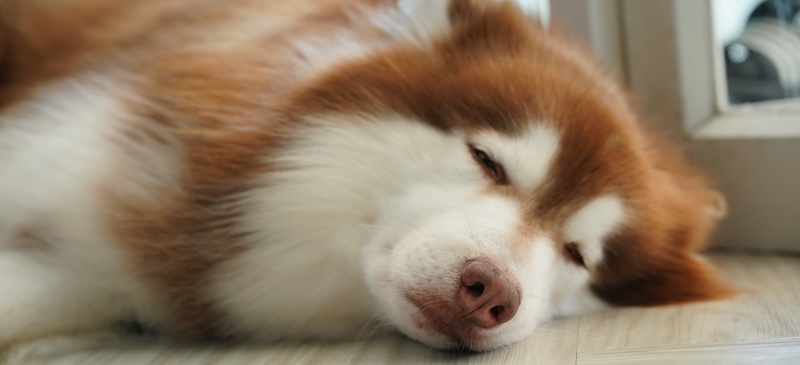
Most adult dogs sleep between 12 and 16 hours in a 24-hour period. That may sound like a lot compared to a human’s seven to nine hours each night, but dogs split this into multiple sleeping sessions, including a longer overnight sleep and shorter naps during the day.
Puppies can sleep even more than adults because their bodies need rest to grow and develop, averaging 18 to 20 hours per day. Senior dogs also usually need more sleep than healthy younger dogs, averaging 16 to 18 hours each day.
Reasons why dogs sleep so much
Dogs sleep for long periods because their bodies and brains need rest to perform vital functions and recover from the day. Here are some reasons why dogs sleep so much and why some dogs sleep more than others.
Age and life stage
Many pet parents wonder, “Why do puppies sleep so much?” Age and life stage influence sleep, and puppies who spend their days learning need sleep to help their brains and bodies recharge.
Senior dogs also need more rest because their bodies and metabolism naturally slow down with age.
Activity level and exercise
Active dogs who spend their days hiking, running or playing need plenty of rest between outings and tend to crash for long periods after bouts of activity. Dogs with a lower activity level may take short naps throughout the day instead.
Breed and natural tendencies
Different breeds may have different sleeping habits and natural energy levels. Large and giant breeds tend to be natural couch potatoes who tend to sleep more than smaller breeds. Working dogs bred for tasks like herding or retrieving are more curious and active, while companion breeds may happily snooze the day away.
Mental stimulation
Dogs who receive a lot of mental stimulation, including activities like training, puzzle toys and social outings, may have healthier sleep patterns than dogs who lack daily stimulation. Bored dogs may nap when they have nothing else to do.
Sleep quality and environment
Dogs who sleep in comfortable, quiet spaces may need less overall rest than those trying to nap in noisy or busy areas. A comfortable dog bed in a quiet spot can help dogs reach deeper, more restorative stages of sleep, including REM and deep sleep.
Dogs who get up frequently during the night may need more total sleep hours.
What affects a dog’s sleeping habits?
Sometimes, a dog’s sleep patterns may change. Here are a few reasons why this might happen.
Changes in daily routine
Dogs are creatures of habit, and they may need to adjust their sleep schedules to accommodate changes in their daily routines. For example, your dog may nap less if someone is home during the day than when everyone leaves for work or school.
Weather and seasonal changes
Many dogs nap more during cold or rainy weather but prefer to be more active when conditions are warm and sunny. Like humans, dogs are affected by changes in daylight length and may sleep more during colder or darker seasons.
Diet and overall energy levels
The food a dog eats can influence energy levels and, in turn, how much it sleeps. Dogs eating a nutrient-dense, balanced diet are more likely to have steady energy throughout the day, while those eating a poor or unbalanced diet may have low energy and an increased need to sleep.
Household activity
Dogs are highly adaptable and quickly learn to sleep when humans sleep and be active when humans are active. Dogs in a busy household may nap less during the day, while those in a quieter home may snooze more.
When is excessive sleeping a sign of a health problem?
A sudden change in sleep behavior can sometimes point to an underlying health issue. If you notice a change in sleep habits, any of these other signs and symptoms may indicate your dog needs to see a vet:
- Changes in energy or behavior: Weakness, mental dullness, anxiety, confusion or loss of interest in normal activities
- Loss of appetite or other symptoms: Weight loss, poor appetite, drinking more or less, peeing more, coughing, limping, vomiting, diarrhea, or restlessness
- Pain or discomfort: Reluctance to move around, guarding body areas, panting or struggling to find a comfortable resting position
Many medical conditions can change a dog’s sleep habits. If you’re asking, “Why is my dog so tired?” the next step is to schedule a visit with your dog’s vet to find the root cause.
How to monitor your dog’s sleeping habits
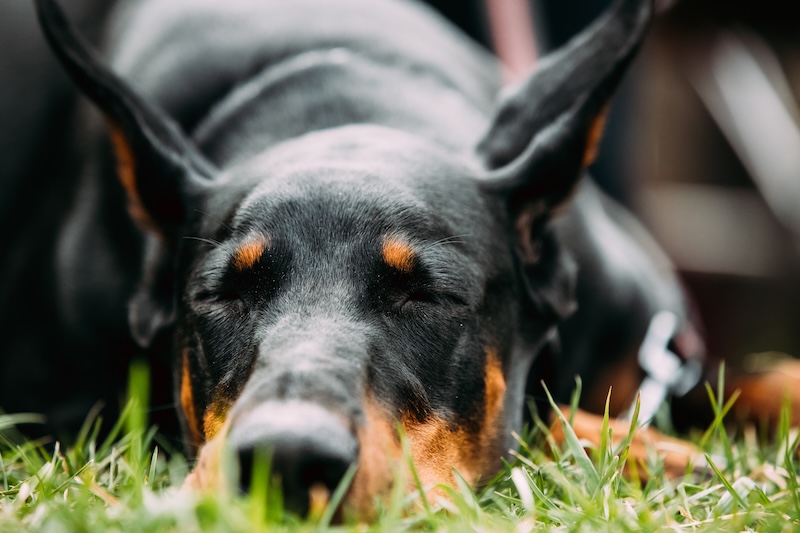
Here’s how to know if your dog’s sleep habits are normal or if they have changed.
Establish a normal routine
Establish a consistent daily routine at home with regular feeding, playing and potty times. Then observe your dog over several days to weeks to determine when they usually sleep and for how long.
Watch for changes
Once you know your dog’s normal routine, you’ll have an easier time knowing when something is off. Sleeping a bit more or less each day is a normal variation, but a pattern that lasts more than a few days or is accompanied by other symptoms could mean a health problem.
Consider recent lifestyle changes
Before assuming a sleep habit change is from a medical issue, consider whether anything in your dog’s routine or environment has changed. For example, dogs may sleep differently after beginning a new exercise routine, having visitors or traveling.
Know when to contact your veterinarian
Veterinarians can help determine what’s causing changes in a pet’s sleep habits or length. Contact your vet if your dog sleeps significantly more than usual, is weak or hard to wake, has lost interest in food or play, or shows any other signs of illness.
Good nutrition supports your dog’s sleep health
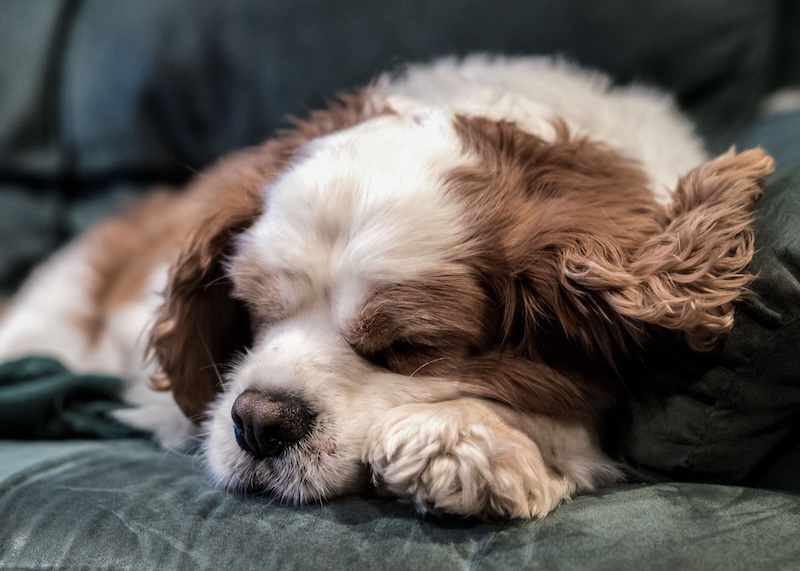
Dogs sleep for many hours each day, which means it’s completely OK for your dog to sleep all night and take several naps during the day. Understanding canine sleep patterns and what’s normal for your particular pup can help you identify changes, watch for other concerning signs and symptoms, and know when to call the vet.
Alongside sleep, nutrition is an important aspect of your pup’s overall well-being. A balanced, high-quality diet optimized for your dog’s life stage helps to support healthy energy levels, normal sleep patterns and general wellness.
To learn more about supporting your dog’s health through diet, check out these nutrition education resources.
Frequently asked questions
Is it normal for my dog to sleep all day?
Spending most of the day and night resting or napping is completely normal for most dogs. Adult dogs may sleep up to 16 hours per day, while puppies may need up to 20 hours. Each dog's sleep needs varies by age, activity level, breed and overall health.
However, you should call your vet if your dog suddenly starts sleeping more or if sleep changes come with other signs of illness.
Why do old dogs sleep so much?
Senior dogs generally need more rest than younger adults. As dogs age, their metabolisms become less efficient, so they need more time to recover from the day’s activities. Some older dogs may sleep up to 18 hours each day.
Should I wake my dog if they sleep a lot?
Sleep is important to a dog’s health, so there’s no need to wake your pup from a long nap or rest. If your dog sleeps more than usual for several days in a row, you should contact your vet to discuss it. If you must wake your dog, do so by making noise nearby rather than touching him or her, which can startle and confuse sensitive pups who are in a deep sleep.
- Schork, I.G., Manzo, I.A., De Oliveira, M.R.B. et al. The cyclic interaction between daytime behavior and the sleep behavior of laboratory dogs. Sci Rep 12, 478 (2022). https://doi.org/10.1038/s41598-021-04502-2
- Reisen, J. (2026, August 11). How to make sure your puppy gets enough sleep. American Kennel Club.
- Kinsman R, Owczarczak-Garstecka S, Casey R, Knowles T, Tasker S, Woodward J, Da Costa R, Murray J. Sleep Duration and Behaviours: A Descriptive Analysis of a Cohort of Dogs up to 12 Months of Age. Animals (Basel). 2020 Jul 10;10(7):1172. doi: 10.3390/ani10071172. PMID: 32664232; PMCID: PMC7401528.
- Speakman JR, van Acker A, Harper EJ. Age-related changes in the metabolism and body composition of three dog breeds and their relationship to life expectancy. Aging Cell. 2003 Oct;2(5):265-75. doi: 10.1046/j.1474-9728.2003.00061.x. PMID: 14570234.
- Tananaeva A, Udell MAR. Stress, needs, and behaviour: understanding chronic stress in pet domestic dogs (Canis lupus familiaris) from the prism of needs. Biol Rev Camb Philos Soc. 2026 Oct;101(5):2279-2299. doi: 10.1002/brv.70179. Epub 2026 May 4. PMID: 42077158; PMCID: PMC13542328.
- Devereux EA, Ejezie AV, Lynch AM, Gruen ME, LaJuett SJ, Robertson JB, Scharf VF. Factors Affecting Sleep Among Dogs and Cats in a Veterinary Intensive Care Unit. J Vet Emerg Crit Care (San Antonio). 2025 May-Jun;35(3):225-232. doi: 10.1111/vec.13472. Epub 2025 Jun 10. PMID: 40492371; PMCID: PMC12322353.
- Bunford N, Reicher V, Kis A, Pogány Á, Gombos F, Bódizs R, Gácsi M. Differences in pre-sleep activity and sleep location are associated with variability in daytime/nighttime sleep electrophysiology in the domestic dog. Sci Rep. 2018 May 8;8(1):7109. doi: 10.1038/s41598-018-25546-x. PMID: 29740040; PMCID: PMC5940857.