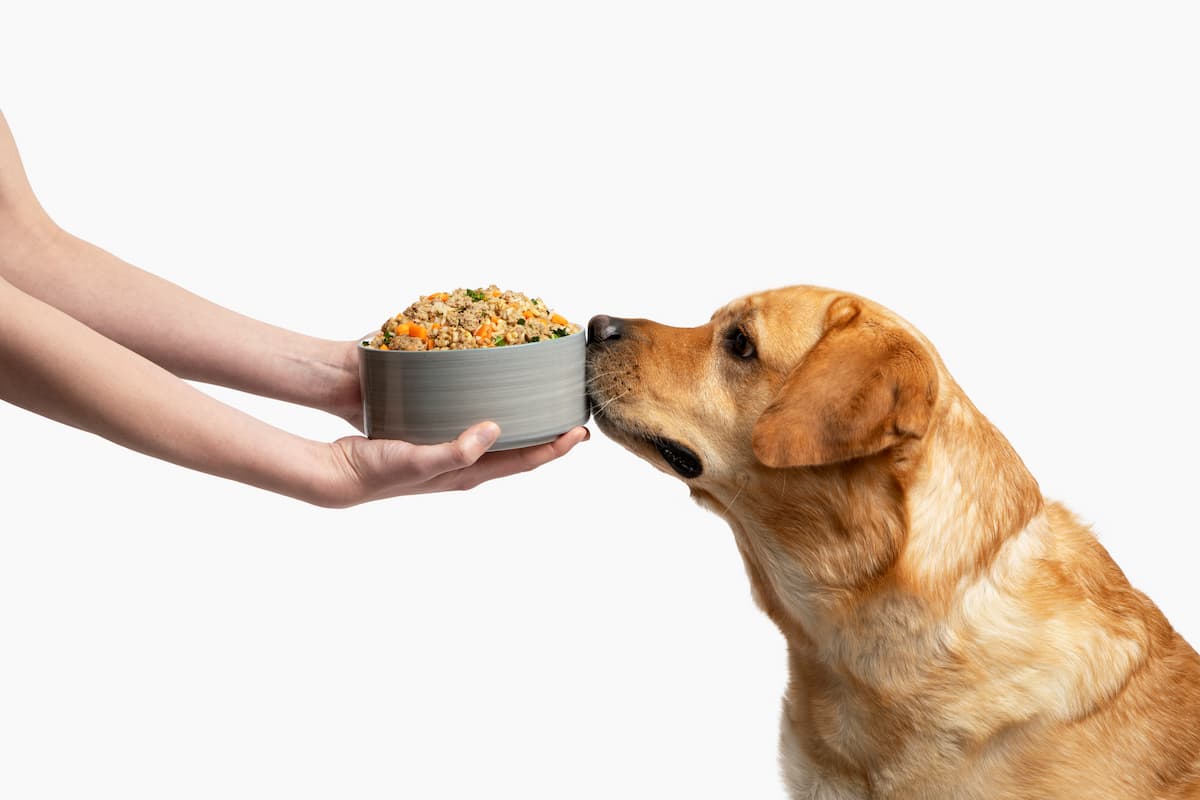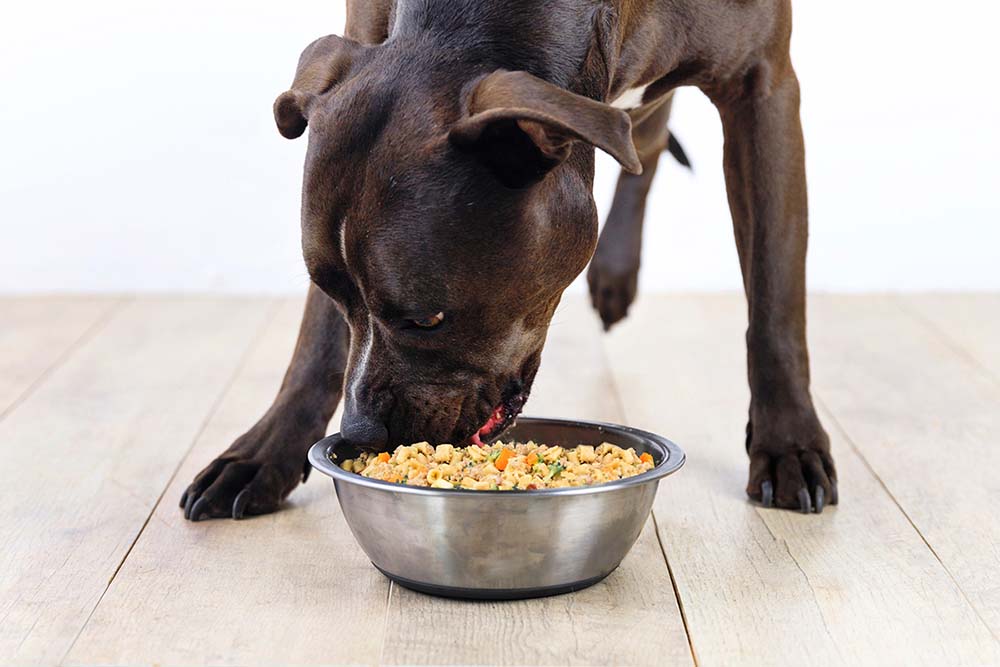
As it is with humans, your dog’s digestive system is an important part of their overall health. As the National Institute of Health puts it, the digestive process is vital because your body needs nutrients from food and drink to work properly and stay healthy — the same applies to your pup!
Most dog owners focus on what their dog eats, but rarely consider how long it takes their dog’s body to process it. Understanding how your dog’s digestive tract works is critical, especially when monitoring bathroom habits, preventing digestive issues, or planning feeding schedules. Knowing how long it takes for a dog to digest food will help you make more confident decisions about their health and diet.
This post is a practical guide for pet parents who will learn how the canine digestive process works, how long it takes depending on food type, and how to recognize and support good digestive health in their dog.
How Long Does It Take a Dog to Digest Food?
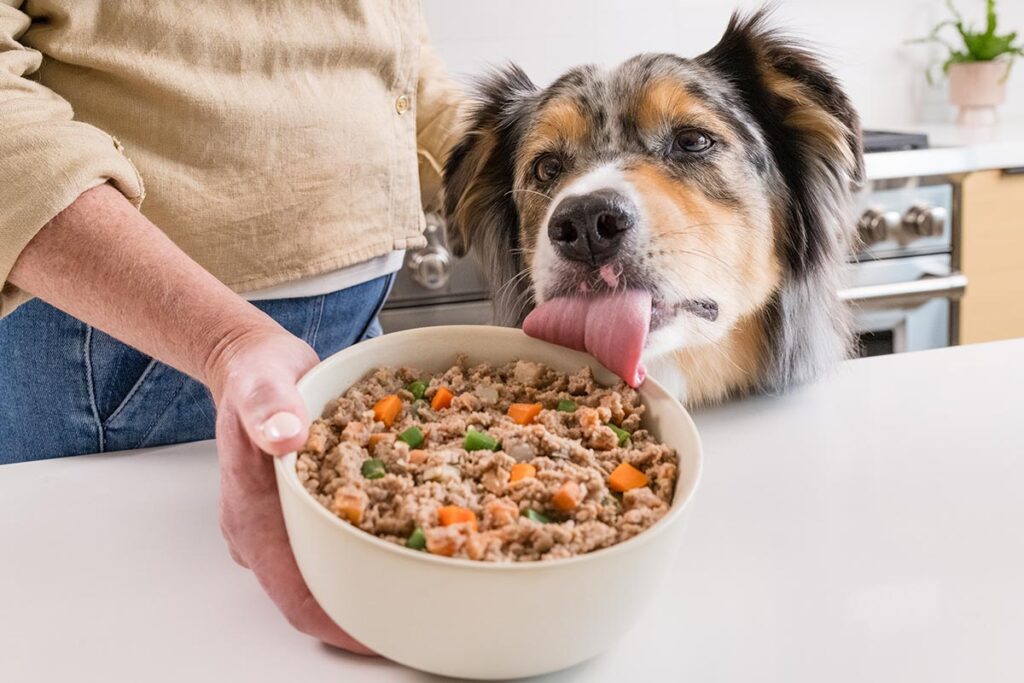
How long does it take a dog to digest food? The short answer is typically eight to 10 hours, with a 24-48 hour window for gastrointestinal transit time. Those initial eight to 10 hours are for stomach emptying, where the food moves from the stomach to the small intestine. Then, it takes 24-48 hours for full gastrointestinal transit (ingestion to poop).
Now, how quickly a dog moves through that range depends largely on what they’re eating. Wet and fresh foods are broken down fastest, typically within 4 to 6 hours, while dry kibble takes considerably longer (generally 8 to 10 hours). The difference comes down to composition: kibble’s dense, low-moisture structure requires more time for the stomach and intestines to break down, whereas the higher moisture content in wet food helps it move through the digestive tract more efficiently.
How the dog digestive system works
Other than helping your dog’s food go in one end and out the other, the digestive system breaks nutrients into parts the body can absorb and use for things like energy, growth, and cell repair.
Your dog’s digestive system includes:
- Esophagus
- Stomach
- Mouth
- Small Intestine
- Large Intestine
- Pancreas
- Liver
- Gall Bladder
- Rectum and anus
Each part plays a role in your dog’s digestive cycle. For example:
Mouth
The dog’s teeth break down the dog food into smaller pieces. Saliva helps to moisten the food and start the digestive process by breaking down carbohydrates.
Stomach
The stomach churns the food and mixes it with gastric juices, which help to break down proteins. The stomach also produces acid, which kills harmful bacteria.
Small intestine
This is where most of the digestion and absorption of nutrients takes place. Dog food is broken down into even smaller pieces by enzymes and then absorbed into the bloodstream.
Large intestine
The large intestine absorbs water and any remaining nutrients from the dog food. It also eliminates waste products from the body in the form of stool. It absorbs what nutrients can be used in the body (broken down by enzymes), leaving the remaining waste to exit as poop.
Factors that affect your dog’s digestion time
How fast do dogs digest food? How long it takes for a dog to digest food can vary depending on factors like:
Breed and body size
How long does it take a small dog to digest food vs a large dog? Small dogs and puppies need less food than larger dogs or adult dogs, so they take less time to digest. Dog digestion time looks a little different for certain dog breeds that are prone to gastrointestinal issues like constipation and diarrhea. Breeds with digestive issues may benefit from a probiotic supplement to support their gut health.
Age
Senior dogs and older dogs have slower metabolisms and, therefore, slower digestion times. Puppies have fast metabolisms and require more food each day.
Type of food (wet vs. dry)
As mentioned, dogs digest food faster when it is fresh or wet. Grain-heavy dry food takes longer due to its much lower moisture content.
Activity level
The more active your canine is, the quicker their body uses the food in their stomach and moves it through the large intestine. As it passes through the digestive system, that food is converted into calories that help fuel their physical activity.
Gut microbiome
A healthy gut microbiome contains beneficial bacteria that help break down food in the digestive tract.
Signs your dog may have a digestive problem
Warning signs such as constipation, diarrhea, vomiting, bloating, lethargy, or appetite changes may signal that your dog is struggling to digest something. If you notice any of these signs, consult your vet.
Vomiting or regurgitation. Occasional vomiting isn’t always alarming, but repeated episodes — especially if blood is present — signal something more serious. Regurgitating undigested food shortly after eating can also point to problems with the esophagus or stomach.
Diarrhea or loose stool. Loose, watery, or unusually frequent stools are a common sign of digestive stress. Blood or mucus in the stool raises the concern further, potentially indicating infection or inflammation.
Constipation or straining. If your dog squats repeatedly without producing a bowel movement or passes very hard stools with obvious effort, their system may be sluggish or blocked. Straining that persists beyond a day or two can become painful and lead to complications.
Bloating or a swollen abdomen. A hard, distended belly — especially paired with restlessness or unproductive retching — is one of the more urgent warning signs, as it can indicate gastric dilatation-volvulus (GDV), a potentially life-threatening condition requiring immediate care.
Loss of appetite or sudden weight loss. A dog that consistently refuses food or loses weight without explanation may be dealing with chronic nausea or an underlying gastrointestinal condition.
Excessive gas, drooling, or lip-licking. These subtler signs can indicate nausea or ongoing digestive discomfort, especially when they appear alongside any of the symptoms above.
If any of these signs last more than 24 hours, contact your veterinarian. Early attention to digestive issues can make a meaningful difference in your dog’s comfort and long-term health.
How to support your dog’s healthy digestion
Here are some tips to help your dog digest food:
Feed smaller, more frequent meals
Establish regular feeding schedules: Dogs thrive on routine. Feed your dog at regular intervals to support the digestion process.
Prioritize hydration
Provide your dog with fresh, clean water at all times.
Regular exercise
Regular walks do wonders for the digestive tract.
Probiotics and prebiotics
Probiotics and prebiotics help support a healthy gut and keep the microbiome in check.
Diet quality and ingredients
Provide a balanced diet for optimal nutrient absorption: Feed your dog a high-quality dog food that is appropriate for their age, breed, and activity level.
Monitor any stool changes as well. If your dog shows signs of stomach problems, talk to your veterinarian. By following these tips, you can help keep your dog’s digestive system healthy and functioning properly.
Good nutrition and your dog’s digestive health
In summary, digestion time is closely linked to overall diet quality. The ingredients in a dog’s food, the balance of nutrients, and the meal’s digestibility all play a direct role in how efficient nutrient absorption. High-quality proteins, appropriate fiber levels, and balanced fats and carbohydrates support smoother digestion, while poorly digestible fillers or imbalanced formulas can slow processing or lead to irregular stool patterns. When dogs are fed highly digestible, nutritionally balanced meals, they are more likely to experience consistent stool quality, steady energy levels, and predictable digestion patterns.