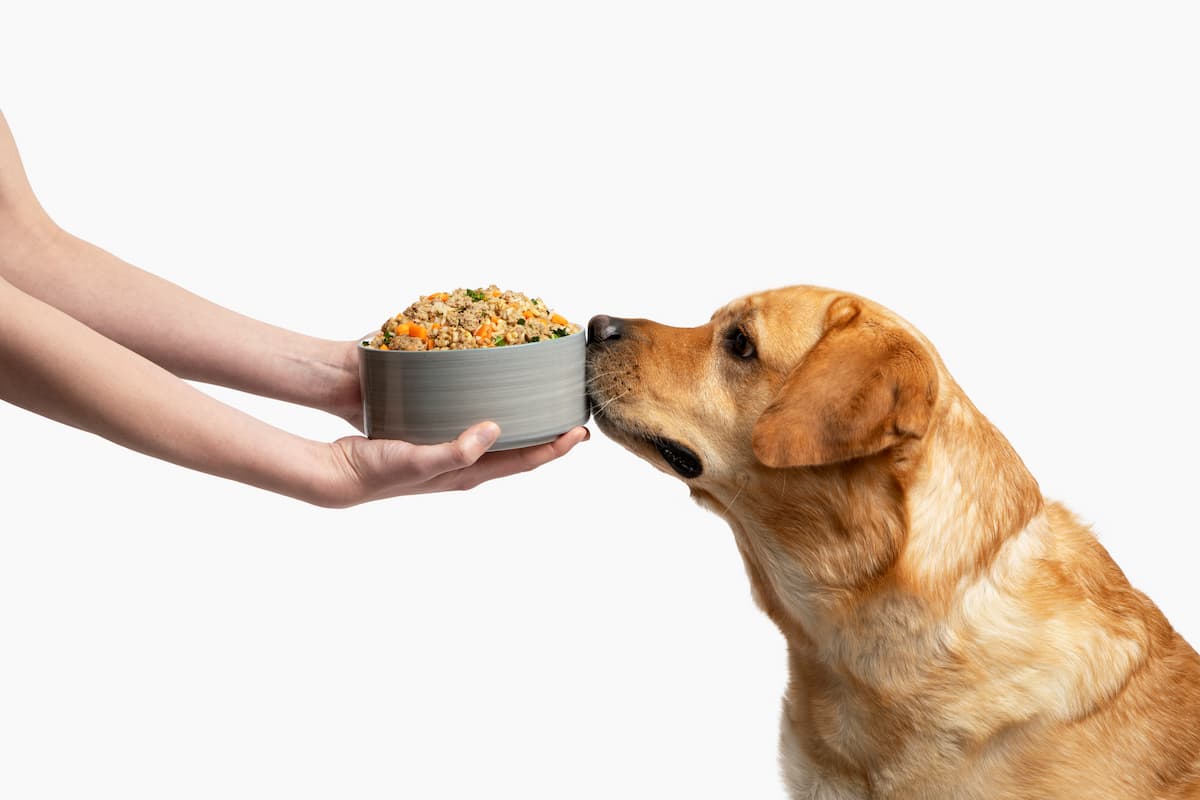
There are few things more concerning to a loving pet parent than watching their pooch having problems with Gastroenteritis in dogs is more common than many pet owners realize. Recognizing it early can make a meaningful difference in your dog’s comfort, recovery, and long-term health. From what goes into their bowl to how their body responds, understanding the signs of digestive distress is one of the most practical things you can do as a responsible pet owner.
This guide is designed to help you identify the symptoms of gastroenteritis, understand what’s causing your dog’s discomfort, and know when to act.
What is gastroenteritis in dogs?
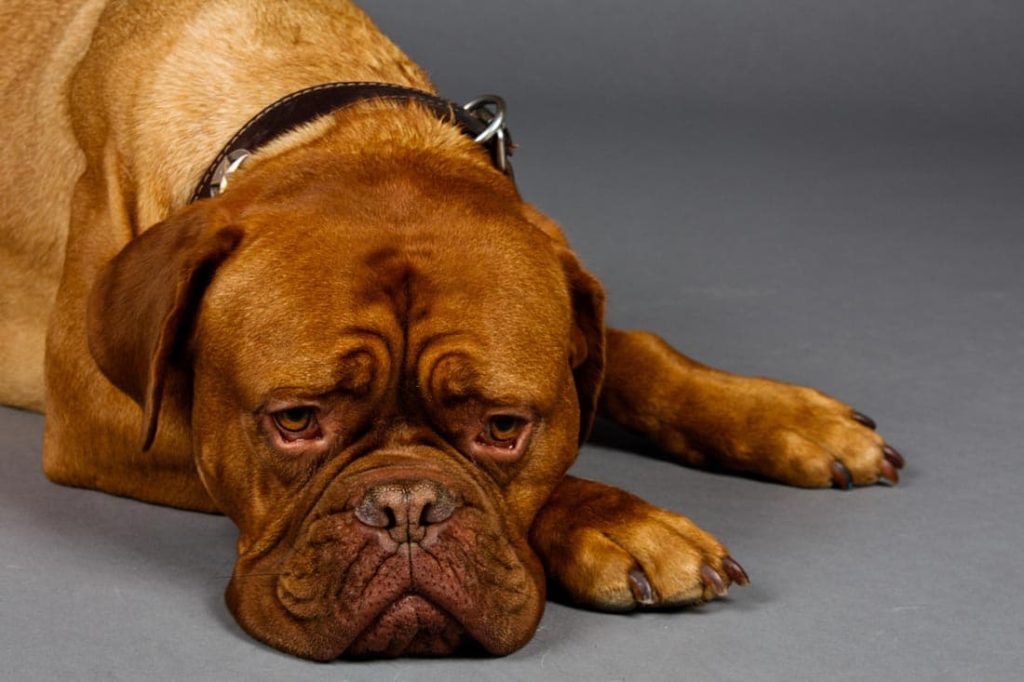
Gastroenteritis is a condition in which the stomach and intestines become inflamed, most commonly showing up as vomiting, diarrhea, or both. It can range from a brief, isolated episode to a recurring problem that requires more in-depth medical attention.
Acute gastroenteritis comes on suddenly and is typically short-lived, often resolving within a few days. Chronic gastroenteritis involves symptoms that persist over weeks or months, and usually points to an underlying issue that needs to be properly diagnosed and managed. Understanding which type your dog is experiencing helps set the right expectations for treatment and recovery.
What causes gastroenteritis in dogs?
There are several common causes of stomach issues in dogs. They range from something like eating a new food to ingesting foreign material or a toxin to an underlying systemic disease.
While any dog can develop an upset stomach, puppies and senior dogs are at a higher risk, given that they typically have weaker immune systems. Having said that, some of the usual suspects include:
- infections: bacterial, viral, or parasitic
- food intolerance or allergies: intestines may get inflamed from an ingredient a dog is allergic to, resulting in vomiting and/or diarrhea.
- toxins or medications: Dogs that ingest toxic substances may vomit or have diarrhea to get rid of it.
- dietary indiscretion: eating spoiled garbage or ingesting foreign bodies may cause vomiting.
- systemic diseases or underlying conditions: certain health problems, like ulcers, pancreatitis, inflammatory bowel disease (IBD), parvovirus, heat stroke, or even cancer.
Given the wide variety of possible causes, you can understand why it’s vital to have your veterinarian check out your best buddy so that any treatment can be tailored to the reason behind the problem. Of course, it’s also possible that your dog has a sensitive stomach, and you might need to put him on a bland diet to help prevent further problems. Seek veterinary advice either way.
Signs and symptoms of gastroenteritis in dogs
There are a number of common symptoms of an upset stomach in dogs. Some of them, you almost certainly already know, but some are a little more subtle.
Vomiting
This is one you’ve surely seen. Dogs might vomit up their food or just saliva, and this is often accompanied by retching or gagging.
Diarrhea (with or without blood)
Even if the problem seems to be in your dog’s stomach, you might see other gastrointestinal symptoms. These include diarrhea or soft stools, an increased frequency of bowel movements, constipation, and tenesmus (straining to defecate). This might indicate that what started as a stomach problem is affecting the entire digestive tract.
Loss of appetite and weight loss
Your buddy’s tummy troubles might certainly cause him to lose his appetite, followed by weight loss.
Lethargy, fever, and restlessness
When your pooch has a stomach problem, it can indicate a more widespread issue. Some bacterial infections, for example, can cause more widespread digestive issues.
You might also notice that your dog is lethargic because he doesn’t feel well. On the other hand, he might also be restless as he tries to ease his stomach pain. You might also see him shivering or trembling because of a fever. If you notice this, seek veterinary care.
Abdominal pain
You might notice him vocalizing when you try to pick your dog up, or even when he stretches his front legs or while standing on his hind legs. This indicates his tummy hurts.
Dehydration
Because your pooch’s stomach hurts, he might not be drinking as much water as he normally would, he could become dehydrated. Diarrhea also causes dehydration.
How is gastroenteritis diagnosed?
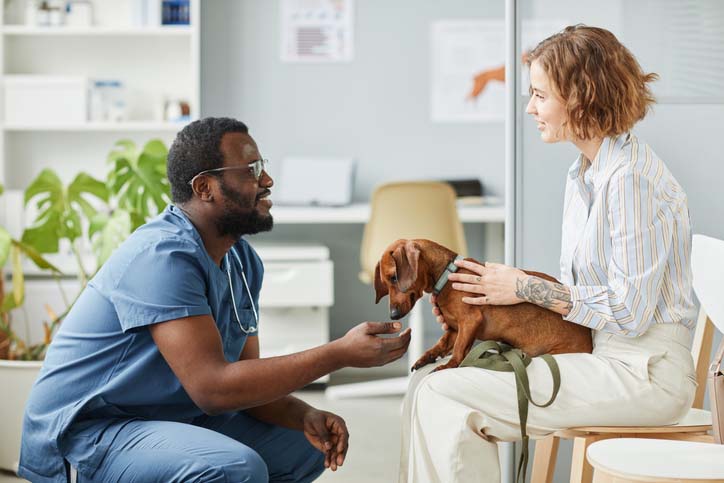
While many cases of an upset stomach in dogs will resolve themselves, it’s important to get your dog checked by his veterinarian in certain circumstances. Here’s what the veterinarian may do during the appointment:
Physical examination and medical history: The first step is always a hands-on assessment combined with a thorough review of your dog’s history. Your vet will ask about recent dietary changes, treats, human food, and any potential exposure to toxins like household cleaners, plants, or medications.
Blood tests: If symptoms are persistent or severe, your vet will likely run bloodwork. These tests help evaluate organ function, detect signs of infection or inflammation, and flag conditions like pancreatitis that can mimic or complicate gastroenteritis.
Fecal testing: A fecal examination checks for the presence of parasites, bacteria, or abnormal levels of digestive enzymes in the stool. It can quickly confirm or rule out infectious causes like salmonellosis or parvovirus.
Imaging (X-rays or Ultrasound): Imaging is particularly useful for identifying foreign objects your dog may have swallowed. In cases where these methods still don’t provide answers to the vomiting and diarrhea, more advanced options — such as endoscopy or a GI biopsy — may be considered.
How gastroenteritis in dogs is treated
Treatment for gastroenteritis in dogs isn’t one-size-fits-all — the right approach depends on how severe the symptoms are and what’s causing them. In mild cases, simple at-home care is often enough. In more serious situations, veterinary intervention is essential.
Fasting, followed by gradual food reintroduction
For mild cases, giving your dog’s digestive system a short rest is often the first step. A brief period of fasting — typically 12 to 24 hours — allows the GI tract to settle before food is reintroduced.
Bland diet
Once your dog is ready to eat again, a bland, easily digestible diet is usually recommended over his regular food. Your vet may recommend staying on a bland diet for several days before transitioning back to your dog’s normal meals gradually.
Fluid therapy
Vomiting and diarrhea can deplete your dog’s fluids quickly, making hydration a central part of recovery. In mild cases, encouraging your dog to drink water regularly may be sufficient. Otherwise, your vet may administer fluids either subcutaneously (under the skin) or intravenously to restore proper hydration levels more effectively.
Medications
Anti-nausea drugs or anti-diarrheal medications are commonly used to reduce GI inflammation and slow fluid loss. If a bacterial infection is confirmed, a course of antibiotics may also be prescribed. It’s worth noting that over-the-counter medications intended for humans should never be given to dogs without direct veterinary guidance, as many are harmful or even toxic to them.
Hospitalization for severe cases
When gastroenteritis is severe, hospitalization may be necessary. Inpatient care allows for continuous IV fluid support, close monitoring, and more intensive treatment than can be managed at home.
How to prevent gastroenteritis in dogs

While gastroenteritis can’t always be avoided, many of the most common triggers are well within a pet owner’s control. These practical habits can go a long way in protecting your dog’s digestive health.
Stick to a consistent diet and change foods slowly: Sudden dietary changes are one of the leading causes of stomach upset in dogs. Transition gradually over 7 to 10 days by mixing increasing amounts of the new food with the old.
Secure trash and remove access to spoiled food: Dogs are opportunistic eaters and will get into garbage given the chance. Using a secured trash can and keeping food scraps out of reach is a simple but effective preventive step.
Parasite prevention: Routine deworming and parasite control go a long way.
Stay current on vaccinations: Keeping your dog’s vaccinations up to date is one of the most straightforward ways to protect against severe GI illness.
Monitor what your dog ingests outdoors: On walks or in the yard, dogs frequently encounter things they shouldn’t eat. Keeping a close eye on what your dog sniffs and mouths outdoors, and training a reliable “leave it” command, may prevent many accidental ingestions before they become a problem.
When should you see a veterinarian?
If your dog stops eating or drinking, is lethargic, and has frequent, persistent vomiting or diarrhea that lasts for more than 24 hours, it’s time to go to the vet.
Some warning signs require more immediate attention. Blood in the vomit or stool, signs of significant dehydration such as sunken eyes, dry gums, or extreme lethargy, and any known or suspected ingestion of something toxic should all prompt a same-day call to your vet. Puppies, senior dogs, and dogs with existing health conditions are also at higher risk of deteriorating quickly and should be seen sooner rather than later when GI symptoms appear.
References
Broome, CJ, and VP Walsh. 2003. “Gastric Dilatation-Volvulus in Dogs.” New Zealand Veterinary Journal 51 (6): 275–83. https://doi.org/10.1080/00480169.2003.36381.