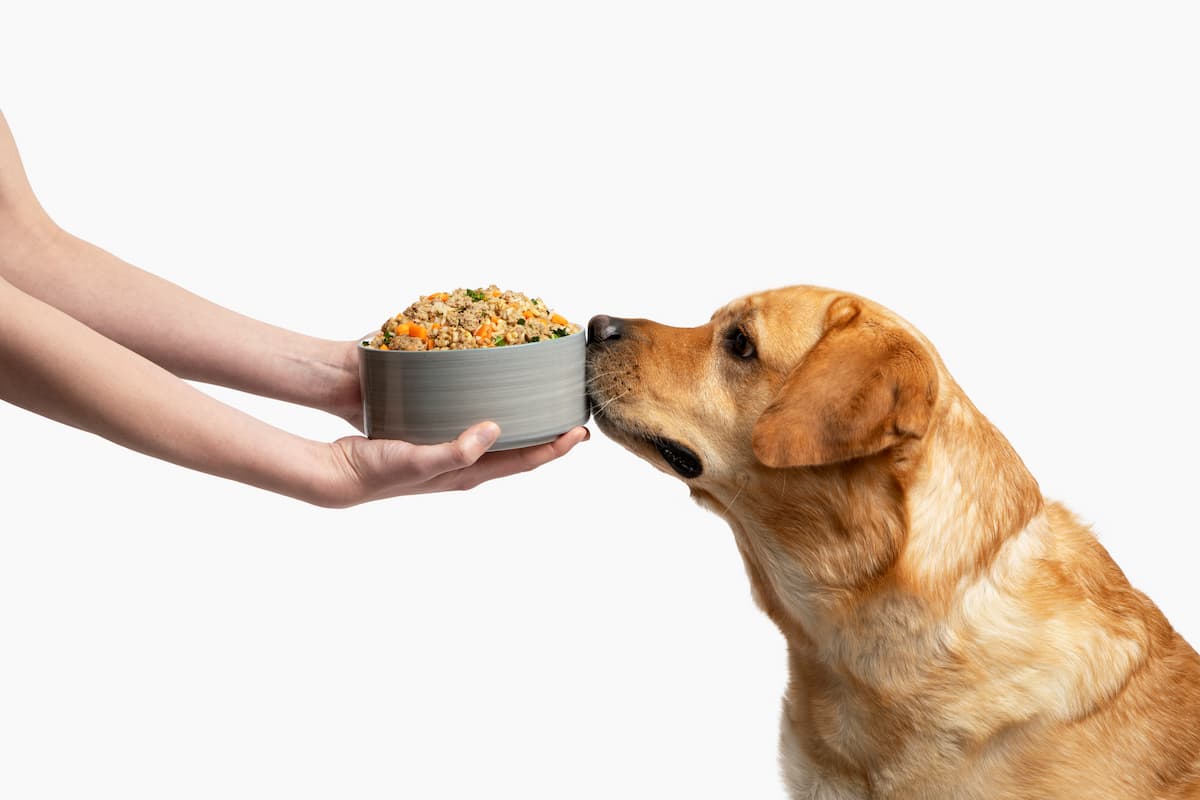

Many dogs struggle to digest lactose, the natural sugar found in milk and dairy products, and this can lead to noticeable digestive upset after they eat or drink something dairy-based. Whether your pup snuck a lick of ice cream at a barbecue or you’re wondering if a splash of milk is safe as an occasional treat, understanding how your dog’s body handles dairy matters. This guide walks through what lactose intolerance actually is, the symptoms to watch for, which dairy products dogs tolerate better than others, and when it’s time to call a veterinarian.
What is lactose intolerance in dogs?
Lactose intolerance happens when a dog’s body doesn’t produce enough of the enzyme lactase, which is needed to break down lactose, the milk sugar found in dairy. Puppies produce plenty of lactase so they can digest their mother’s milk, but lactase production naturally declines after they’re weaned. This means many adult dogs lose much of their ability to properly digest lactose, even though they had no trouble as puppies.
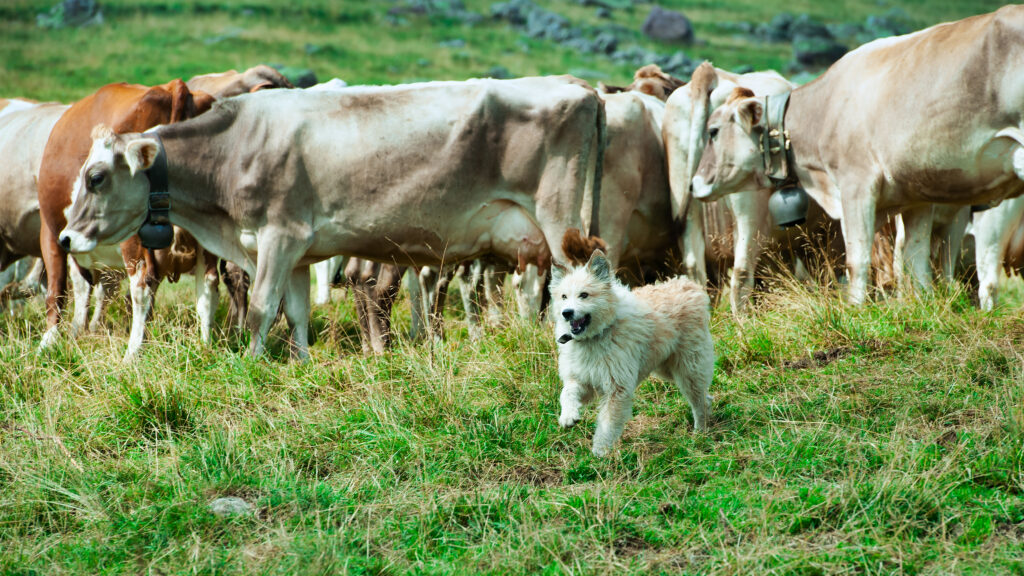
In fact, it’s natural for mammals as a whole to cease lactase production after weaning. Some human populations have evolved to continue lactase production in response to taking up the practice of herding livestock and consuming their milk regularly past the age of weaning. Moreover, research shows that dogs co-evolved the adaptation for lactose digestion after weaning, as they were an integrated part of human populations that practiced herding as a subsistence strategy in Europe and the Middle East. Like humans, however, many dogs still suffer from lactose intolerance.
It’s worth noting that lactose intolerance is not the same thing as a dairy allergy. A true milk allergy involves the immune system reacting to proteins in dairy, while lactose intolerance is a digestive issue tied to a missing enzyme. The two can look similar on the outside, but they have very different causes. Because symptoms can overlap with other conditions, lactose intolerance should always be diagnosed by a veterinarian rather than assumed at home.
Dog lactose intolerance symptoms
When a dog consumes lactose it can’t properly digest, the lactose ferments in the gut instead of breaking down, which typically leads to digestive symptoms. How severe those symptoms are often depends on how much dairy was consumed and the individual dog’s own tolerance, so one dog may show mild signs while another reacts more strongly to the same small amount.
Diarrhea
Loose, watery stool is one of the most common signs of dog lactose intolerance, usually appearing within a few hours of eating dairy.
Vomiting
Some dogs vomit after consuming milk or other dairy products, particularly if they’ve eaten a larger amount than their body can handle.
Gas
Excess gas is a frequent digestive symptom, caused by the fermentation of undigested lactose in the intestines.
Bloating
A visibly swollen or firm belly can develop alongside gas and often signals general stomach discomfort.
Stomach discomfort
Dogs may seem restless, whine, or show signs of an upset stomach after eating dairy they can’t tolerate well.
Loose stools
Even without full diarrhea, stools that are softer or less formed than usual can point to digestive issues tied to dairy.
These symptoms can be linked to lactose intolerance, but they aren’t exclusive to it and could point to something else entirely. If your dog shows any of these signs, it’s always best to consult a veterinarian rather than guess at the cause.

Can dogs eat dairy products?
Not all dairy products contain the same amount of lactose, which means some are generally better tolerated than others. That said, none of the following should be treated as a regular addition to a dog’s diet, even if your dog seems to handle small amounts okay.
Milk
Cow’s milk contains a relatively high amount of lactose and is one of the more likely dairy products to cause an upset stomach in sensitive dogs. Goat milk has a somewhat different composition and is sometimes easier to digest, but it still contains lactose and should only be offered in small amounts, if at all.
Cheese
Hard cheeses tend to contain less lactose than milk because of how they’re processed, which is why some dogs tolerate a small piece better than a glass of milk. Still, cheese is high in fat, and regular consumption can contribute to weight gain, obesity, or even pancreatitis, so it should stay an occasional treat rather than a habit.
Yogurt
Plain yogurt often contains less lactose than milk because the fermentation process breaks some of it down, and it may also offer a small probiotic benefit. Even so, tolerance varies from dog to dog, and yogurt with added sugar or artificial sweeteners should always be avoided.
Ice cream
Ice cream combines a high fat content, added sugar, and a notable amount of lactose, making it one of the dairy products least likely to sit well with a dog’s digestive system. Flavored varieties can also introduce chocolate or other ingredients that are toxic to dogs, so ice cream isn’t a great idea even in small quantities.
What should you do if your dog shows signs of lactose intolerance?
If your dog develops digestive symptoms after eating dairy, a few practical steps can help you manage the situation and support their recovery.
Stop offering dairy products
The first step is simple: remove milk, cheese, yogurt, or any other dairy from your dog’s diet and avoid giving more until symptoms fully resolve.
Monitor digestive symptoms
Keep an eye on how often your dog has diarrhea, vomiting, or gas, and note how long the symptoms last so you can share accurate details with your vet if needed.
Keep fresh water available
Diarrhea and vomiting can lead to dehydration, so make sure your dog has consistent access to fresh water while their digestive system settles.
Contact your veterinarian if symptoms persist or worsen
If symptoms don’t improve within a day or two, or if they seem to be getting worse, reach out to your veterinarian for guidance rather than waiting it out.
When should you call a veterinarian?
While mild, short-lived digestive upset can sometimes resolve on its own, certain situations call for professional veterinary evaluation.
Persistent vomiting or diarrhea that lasts more than 24 to 48 hours warrants a call to your vet, since ongoing symptoms can quickly lead to dehydration. Severe dehydration itself, especially in puppies or small dogs, is a reason to seek care right away. If symptoms don’t improve despite removing dairy from the diet, that’s a sign something more than simple lactose intolerance may be at play.
Repeated digestive upset after eating dairy, even in small amounts, suggests it’s time to speak with a vet about your dog’s specific tolerance. You should also call a veterinarian immediately if your dog has consumed chocolate, xylitol, or other ingredients toxic to dogs, since these require urgent attention regardless of dairy content. Finally, any signs of significant pain, lethargy, or a swollen abdomen should be treated as a reason for prompt veterinary evaluation.
Support your dog’s digestive health with a balanced diet
Many dogs have a limited ability to digest lactose once they’re weaned, and dairy products can easily cause digestive upset in sensitive individuals. Understanding your dog’s personal tolerance, steering clear of foods that consistently trigger symptoms, and feeding a complete and balanced diet all play a role in supporting everyday digestive health. If your dog experiences digestive symptoms that are frequent, severe, or keep coming back, consult your veterinarian to rule out other causes and get tailored guidance.
Final Thoughts
Lactose intolerance is common in adult dogs due to naturally declining lactase production after weaning, and it’s distinct from a true dairy allergy. Watch for digestive signs like diarrhea, vomiting, gas, bloating, and stomach discomfort after dairy consumption, and remember that some dairy products, like hard cheese or plain yogurt, tend to be better tolerated than milk or ice cream. When in doubt, skip the dairy, keep an eye on your dog, and consult your veterinarian if symptoms are persistent, severe, or recurring.