

- Hypothyroidism is a common hormonal condition in dogs, and it’s highly treatable. It happens when the thyroid gland doesn’t make enough thyroid hormone, which slows the metabolism. It usually affects middle-aged to older dogs, often beginning between ages 4 and 10, according to veterinary literature. Breeds like golden retrievers and Doberman pinschers are more likely to develop it.
- Signs can be vague and tend to develop slowly. Dogs may show weight gain despite a normal or decreased appetite, lethargy, cold intolerance, hair loss and a dull coat, darkened skin, recurrent skin or ear infections, or behavior changes. The most common cause is lymphocytic thyroiditis, in which the immune system attacks the thyroid, followed by idiopathic thyroid atrophy.
- Diagnosis usually takes more than one test. A total T4 screening test can raise suspicion, but other illnesses can also lower it. To confirm, your veterinarian may recommend additional thyroid-specific testing, such as free T4, TSH, T3 and anti-thyroid antibody levels.
- Hypothyroidism can’t be cured, but it can be managed with lifelong oral medication. Your veterinarian will determine the dose and dosing schedule and will recommend blood tests to monitor hormone levels. Diet does not treat or manage hypothyroidism, and the prescribed thyroid medication is the only treatment. With proper monitoring and veterinary care, dogs with hypothyroidism can live full, active lives.
Hypothyroidism, or low thyroid hormone levels, is a common hormonal condition in dogs. Having too little thyroid hormone can affect many different body systems, but the condition is highly treatable.
Signs of hypothyroidism in dogs can be vague and easy to overlook, especially in the early stages. Pet parents who learn what to look for can ensure their pup gets the care they need to feel better.
This guide for dog owners covers what hypothyroidism is, what causes it, common signs in dogs, and how veterinarians diagnose and treat the condition.
What is hypothyroidism in dogs?
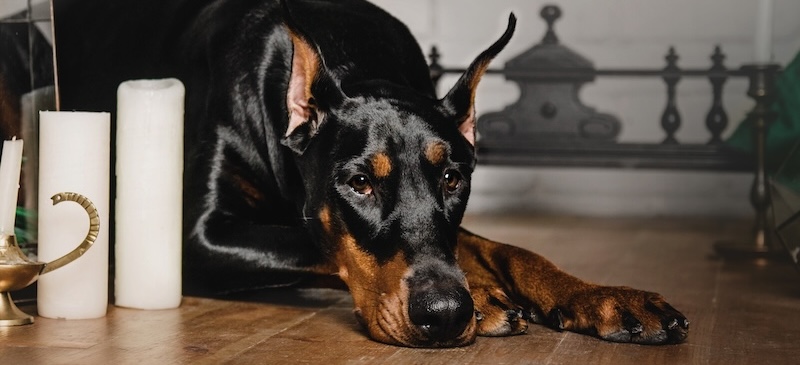
The thyroid gland in dogs (and other animals, including people) is a small structure with two lobes that sit on either side of the windpipe in the front of the neck. This gland produces thyroid hormones, including thyroxine (T4) and triiodothyronine (T3), which help regulate a dog’s metabolism.
Too much thyroid hormone speeds up the metabolism, and too little slows it down. You may be familiar with the term in relation to body weight, but metabolism also affects many other aspects of health, including body temperature, coat quality, heart rate and energy levels.
Dogs with hypothyroidism don’t produce enough thyroid hormones to maintain good health. Other terms veterinarians or pet parents may use to describe hypothyroidism include low thyroid in dogs or thyroid issues in dogs.
What causes hypothyroidism in dogs?
Low thyroid in dogs usually results from one of two primary thyroid disorders: lymphocytic thyroiditis or idiopathic thyroid atrophy.
Lymphocytic thyroiditis
Lymphocytic thyroiditis is the most common cause of hypothyroidism in dogs. In this condition, a dog’s immune system becomes overactive and mistakenly attacks the thyroid gland, causing inflammation.
Over months or sometimes years, the immune response can damage healthy thyroid tissue and reduce the gland’s ability to produce thyroid hormones. Any dog can develop this disease, but certain breeds (e.g., golden retriever, Doberman pinscher) are more likely to have it than others.
Idiopathic thyroid atrophy
In idiopathic thyroid atrophy, normal thyroid tissue breaks down and is replaced by fat. “Idiopathic” means the cause is unknown, and veterinarians don’t fully understand why this happens.
Some experts believe it may be the end stage of lymphocytic thyroiditis and the result of long-term inflammation.
Less common causes
A small number of dogs develop hypothyroidism from uncommon causes, including:
- Thyroid cancer: A tumor can produce excess thyroid hormone or may have the opposite effect, causing low thyroid levels due to destruction of the gland.
- Pituitary gland dysfunction: The pituitary is a structure in the brain that sends out hormone signals to other glands, including the thyroid. Dysfunction can also cause the thyroid to malfunction.
- Congenital changes: Rarely, dogs may be born with dysfunctional thyroid glands or an inability to use iodine, a necessary building block for thyroid hormones.
- Iodine deficiency: This theoretical cause of thyroid disease is extremely uncommon in dogs eating commercial diets.
Signs of hypothyroidism in dogs
Thyroid hormones influence many body systems, so symptoms of hypothyroidism in dogs can vary. Dogs with low thyroid can show a combination of the following signs:
- Weight gain: You may notice increasing body weight despite a normal or decreased appetite.
- Lethargy and decreased activity: Hypothyroid dogs may seem tired, sluggish or less interested in play or exercise.
- Cold intolerance: Dogs with hypothyroidism have trouble producing body heat, so they may lie on heating vents, crawl under blankets or shiver more often.
- Hair loss and poor coat quality: Thinning fur, fur that easily falls out and doesn’t grow back, a dry or dull coat, and excessive shedding are possible with hypothyroidism.
- Darkening or thickening of the skin: Some hypothyroid dogs develop patches of darkened skin, especially in areas of friction like the armpits and groin.
- Recurrent skin and ear infections: Hormone imbalances can weaken the immune response, making some affected dogs prone to skin or ear infections.
- Slow heart rate: Low heart rate or blood pressure can result from low thyroid levels slowing down these vital body functions.
- High cholesterol: Proper thyroid hormone levels are needed for the body to break down and use fats. Without enough, your vet may detect high cholesterol levels on lab work.
- Behavior changes: Thyroid hormones also affect the brain. Some dogs with low levels can develop behavior disorders, including anxiety or fear-related issues, or seem to be in a constant brain fog.
Many of the signs of thyroid issues in dogs develop and progress slowly, so they’re easy to overlook or attribute to other conditions. Contact your vet if you notice any of these symptoms or other changes in your dog’s health to ensure your pup gets the right diagnosis and treatment.
How hypothyroidism in dogs is diagnosed
Veterinarians may suspect a dog is hypothyroid based on a history of suspicious clinical signs or exam findings, such as weight gain, hair loss or cold intolerance. Your vet may also suspect a problem based on routine wellness blood tests showing anemia, high cholesterol or a low level on a screening test called a total T4.
Total T4 screening tests can be easily added to a basic blood panel, but diseases other than thyroid issues can also lower this number. To confirm a low-thyroid diagnosis, your veterinarian may recommend additional thyroid-specific testing. A full thyroid panel may include:
- Free T4
- Thyroid-stimulating hormone (TSH)
- Total T3 and free T3
- Anti-thyroid antibody levels
Low levels of T4 and/or T3 combined with elevated TSH support a diagnosis of hypothyroidism. Anti-thyroid antibody levels present in a pet’s blood can support the diagnosis of lymphocytic thyroiditis, though their presence is uncommon and not necessary to confirm the disease.
Other conditions, medications and non-thyroid illnesses can temporarily lower thyroid levels, so veterinarians must look at the full picture to make a diagnosis.
How hypothyroidism in dogs is treated and monitored
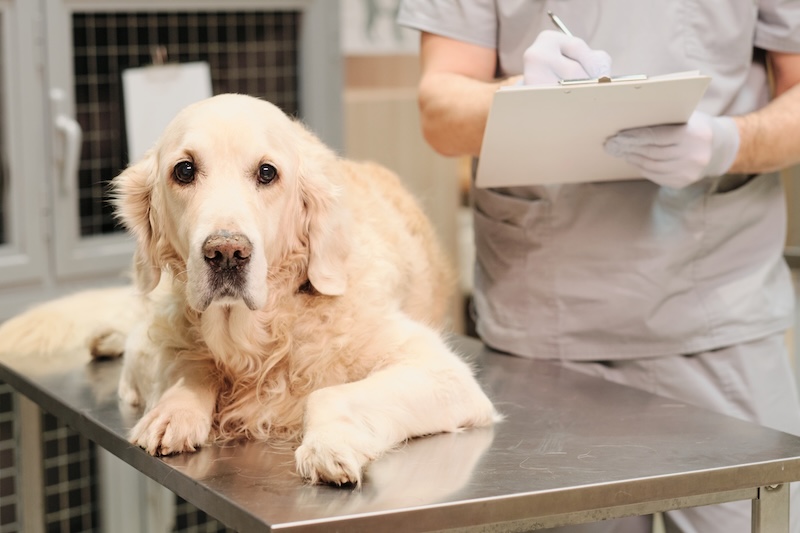
Thyroid hormone replacement therapy is the mainstay of treatment for low thyroid in dogs. Your veterinarian will determine the dose and dosing schedule.
The vet then use blood tests to see how thyroid hormone levels have changed and whether the dose needs adjusting.
Hypothyroidism can’t be cured. However, the disease can be managed with lifelong oral medication to replace the missing hormone.
If you stop treating your dog, symptoms will return. Thyroid medication, usually called levothyroxine, is widely available in affordable, generic forms.
If your dog has hypothyroidism, it’ll need regular blood tests to check hormone levels. Each time your vet adjusts the medication dose, your vet will typically recommend rechecking levels, often around four to six weeks later, but timing may vary. (Your vet will set a recheck schedule tailored to your dog.)
Once you find the right dose, you’ll only need to check blood levels once or twice a year or if symptoms change.
The prognosis for dogs with hypothyroidism is very good with treatment. Pet parents may notice improvement in their pups, though timelines vary by dog.
Some also may show continued improvement over the following months. With proper monitoring and veterinary care, dogs with hypothyroidism can live a full, active life.
Supporting your dog’s everyday wellness through good nutrition
Hypothyroidism can affect many aspects of a dog’s health, but the condition can be managed with veterinary supervision and care. Learning what’s normal for your pup, recognizing the signs of hypothyroidism and following your vet’s treatment recommendations can help dogs with low thyroid levels live a normal, happy life.
All healthy dogs can benefit from eating a complete, balanced and high-quality diet. Good nutrition can help support overall well-being at every life stage. (Note that diet does not treat or manage hypothyroidism, and thyroid medication prescribed by a vet is the only treatment.)
Frequently asked questions
Do dogs have thyroids?
Dogs, like humans and many other mammals, have a thyroid gland as part of their endocrine (hormone) system. The gland’s two lobes sit on either side of the trachea (windpipe) at the front of the neck and produce important hormones that regulate metabolic functions throughout the body. Without the thyroid hormones the gland produces, a dog could not survive.
What happens if hypothyroidism in dogs goes untreated?
Without treatment, hypothyroidism in dogs can lead to issues in many body systems. Dogs lacking thyroid hormone can suffer from skin disorders, hair loss, heart problems, muscle or nerve issues, behavior disorders, and reproductive problems.
Seek emergency veterinary care immediately if your dog has a seizure or collapses. Dogs with low thyroid require lifelong treatment with oral medication to prevent these complications from developing.
Which dogs are more likely to develop hypothyroidism?
Hypothyroidism usually affects middle-aged to older dogs, often beginning between the ages of 4 and 10 years, according to research published in the International Journal of Veterinary Sciences and Animal Husbandry. Some breeds are more likely to develop low thyroid than others, including golden retrievers, Doberman pinschers, Irish setters, miniature schnauzers, dachshunds, cocker spaniels and Airedale terriers.
Is hypothyroidism in dogs common?
Hypothyroidism is one of several commonly diagnosed hormonal conditions in dogs, including other diseases like diabetes and Cushing’s disease. The opposite condition, hyperthyroidism (high thyroid), occurs mostly in cats and is rare in dogs. Veterinarians use screening tools, such as a total T4 blood test, to routinely test middle-aged or older dogs, or those with symptoms, to determine whether further testing is needed.
How is hypothyroidism treated in dogs?
Most dogs diagnosed with hypothyroidism respond well to treatment with oral hormone replacement therapy. The small pills are easy to administer but require careful monitoring by a veterinarian to determine the correct dose.
Your vet may recommend blood tests to check hormone levels. Timelines vary per dog. For instance, every four to six weeks at first, then once or twice yearly thereafter, may be recommended by your veterinarian, though again this is dependent on each individual dog.
- Cornell University College of Veterinary Medicine, Riney Canine Health Center. (n.d.). Hypothyroidism.
- Li P, Wu G. Characteristics of Nutrition and Metabolism in Dogs and Cats. Adv Exp Med Biol. 2024;1446:55-98. doi: 10.1007/978-3-031-54192-6_4. PMID: 38625525.
- Elgalfy GE, Ghanem MM, Helal MAY, El-Khaiat HM. Incidence, complications and therapeutic evaluation of clinical hypothyroidism in different breeds of dogs. BMC Vet Res. 2025 May 9;21(1):332. doi: 10.1186/s12917-025-04746-4. PMID: 40346543; PMCID: PMC12063298.
- Graham PA, Nachreiner RF, Refsal KR, Provencher-Bolliger AL. Lymphocytic thyroiditis. Vet Clin North Am Small Anim Pract. 2001 Sep;31(5):915-33, vi-vii. doi: 10.1016/s0195-5616(01)50005-4. PMID: 11570132.
- Peterson, M. E., & Kritchevsky, J. E. (2024). Disorders of the thyroid gland in dogs. Merck Veterinary Manual, Pet Owner Version.
- U.S. Food and Drug Administration, Center for Veterinary Medicine. (2021). Hypothyroidism in dogs—There are FDA-approved drugs to treat it.
- Heseltine, J. (2025). Hypothyroidism in animals. Merck Veterinary Manual, Professional Version.
- Kalakappa, Abhijith SP. A comprehensive review of canine hypothyroidism: Clinical features, laboratory diagnosis, and therapeutic approaches. Int J Vet Sci Anim Husbandry 2026;11(1):26-35.