Peeing more than usual is a common problem in dogs of all ages. Frequent urination in dogs has many underlying causes, ranging from a passing issue such as drinking more water due to hot weather or exercise to a more serious medical or behavioral problem that requires treatment.
So how do you know what’s normal and what’s not? Continue reading to learn about common causes of increased urination in dogs and what to do when you notice bathroom habits that are out of the ordinary for your pup.
What are common causes of excessive urination in dogs?
Dogs may pee more than usual for medical, behavioral, environmental, or age-related reasons. When the issue doesn’t resolve after a few days, or you can’t identify the cause, it’s time to seek veterinary care.
Here are the most common reasons for excessive urination in dogs that make pet parents ask, “Why is my dog peeing so much all of a sudden?”
Increased water intake due to heat or activity
Dogs naturally drink more water during hot weather, after exercise, or following a long play session. If your dog drinks more than their body needs in an effort to cool down, they’ll urinate the excess water later. This type of increased urination is not a concern provided it resolves quickly after the event that caused your dog to drink more water.
Anxiety or stress
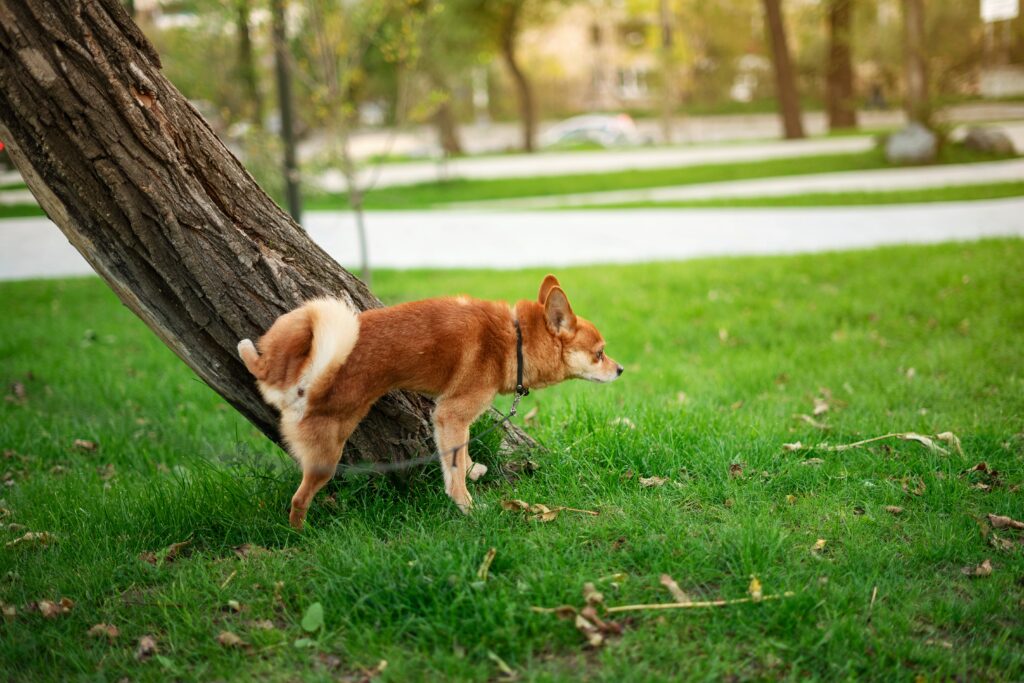
Stress and anxiety caused by changes at home, noise, separation, or behavioral “quirks” can cause some dogs to urinate more frequently. Some dogs may drink compulsively when bored or stressed, which can also cause them to pee more. Others may have accidents when panicked or upset, dribble urine when excited or submissive, or “mark their territory” in the house or outdoors.
Incontinence
Incontinence, or involuntary loss of bladder control, is common in spayed female dogs of all ages because of changes in hormone levels, though male dogs also occasionally develop issues. Senior dogs may have weaker bladder muscles or a medical condition that causes them to produce more urine, leading to leaks when they are asleep or relaxed.
Urinary tract infections
A urinary tract infection (UTI) can cause frequent urination in dogs. Bacteria can irritate and inflame the bladder lining, which makes your dog feel like they need to pee all the time. Female dogs are more likely than male dogs to develop UTIs because they have shorter urethras, which allow bacteria to travel more easily from the skin to the bladder. Dogs with a UTI may strain to urinate, produce small amounts of urine frequently, or have blood in their urine.
Bladder stones or urinary crystals
Changes in urine pH, an infection, or a genetic predisposition can cause minerals in the urine to crystallize and irritate the bladder walls. Under the right conditions, they can also form larger bladder stones that may cause your dog to urinate frequently or develop recurrent infections. In some cases, a small stone can get stuck in the urethra and block the flow of urine, which is a veterinary emergency.
Diabetes
Dogs with diabetes have high blood sugar levels that cause them to urinate more and drink more water, and that increase the likelihood of urinary infections. Many pet parents wonder, “Why is my dog drinking and peeing so much?” before receiving a diabetes diagnosis based on blood and urine test results.
Kidney disease
Dogs with kidney disease can no longer concentrate their urine, which means their urine contains more water and they pee more often. Because affected dogs urinate more, they also experience increased thirst to replace lost fluids. Kidney disease is most common in senior dogs, but some forms can affect younger dogs as well.
Other causes
The body’s water regulation system is complex, and many factors can upset its balance. Side effects from medications or supplements, ingestion of toxins, problems in the brain region that controls thirst, cancer, and water loss through the GI tract are among the other issues that can arise.
Always consult a veterinarian to determine the specific cause of your dog’s frequent urination. Diagnosing the issue may require blood tests, urine tests, or imaging, while treatment may include medications, dietary changes, behavior modification, or surgery.
Signs that excessive urination may be serious
Only a veterinarian can properly diagnose the underlying cause of excessive urination. Increased urination from heat, activity, or stress is not usually a cause for alarm, so how do you know when your pet’s issue is more serious?
Call your vet if frequent peeing is a new issue, occurs more often, or you notice any of the following additional signs:
- Blood in the urine: Pink, red, or brown-tinged dog urine may point to a UTI, bladder stones, or another condition that requires prompt veterinary care.
- Straining to urinate: A dog who tries to pee frequently but produces little or no urine may have a urinary blockage. This is a medical emergency, and you should seek veterinary care immediately.
- Excessive thirst: Dogs with increased thirst can’t seem to get enough to drink, which could signal a hormonal condition, kidney disease, or a behavioral disorder.
- Vomiting or diarrhea: Gastrointestinal symptoms combined with changes in urination can indicate a systemic illness, chronic disease, or infection in dogs.
- Lethargy or weakness: Unusual sleepiness or low interest in activities can indicate that your dog isn’t feeling well and that their increased urination is likely due to an underlying health issue.
- Weight loss: Weight changes are common in disorders that also affect peeing habits, such as diabetes, kidney disease, or liver disease.
- Accidents in a previously house-trained dog: Accidents in the house in a previously trained dog mean your pup can’t control their urination. This could happen in senior dogs dealing with incontinence or cognitive decline, or because of a UTI or chronic disease.
What to do if your dog is peeing a lot
If your dog begins urinating or drinking more than normal, the first thing to do is call the vet. To prepare for an upcoming visit, pet parents should also:
- Monitor water intake and bathroom frequency: Track how much your dog drinks and how often they ask to go outside or have accidents to help your veterinarian narrow down possible causes.
- Watch for changes in urine color or smell: Healthy urine is usually pale yellow and sometimes darker or a bit cloudy first thing in the morning. However, brownish, bloody, foul-smelling, or sweet-smelling urine can indicate a health issue.
- Note symptoms and behavior changes: Write down when the increased urination started, whether your dog seems in pain, and any other symptoms, such as excessive thirst, lethargy, or changes in appetite. A detailed timeline can help your veterinarian figure out what’s going on.
- Bring a urine sample if requested: Your veterinarian may ask you to collect a urine sample for testing. Catch it in a clean container during your dog’s morning bathroom break, as the first urine of the day usually provides the most useful information. Use a flat container, like a Tupperware lid, for low-squatting females, and a ladle or jar for males.
Supporting your dog’s urinary health and daily comfort
Excessive urination in dogs has many possible causes, ranging from harmless and temporary changes in routine to serious medical conditions like kidney disease, diabetes, or a UTI. Some issues, like urinary obstruction from a bladder stone or increased drinking and urination from a systemic infection, require emergency care.
A close partnership with your vet, routine checkups, daily hydration, and keeping a close eye on your dog’s habits are the best ways to support their urinary health and comfort. Your veterinarian may also recommend specific changes to your pet’s diet to help manage ongoing health conditions alongside medical treatments.
JustFoodForDogs offers a range of fresh, whole-food dog diets, including veterinary prescription and custom-formulated options to accommodate dogs with special needs. Prescription diets are available with a valid prescription from your veterinarian. Contact us to learn how we partner with vets to support overall dog health and wellness.
Frequently asked questions about urination in dogs
The water and nutrient composition of your dog's food can cause them to drink more or less water than when they eat other foods. Wet or canned food has a high moisture content, so dogs may drink less from their bowl, whereas dry food has less moisture, so they may drink more. Feeding schedules, portion sizes, and mineral content can also influence your dog's water intake and urination frequency.