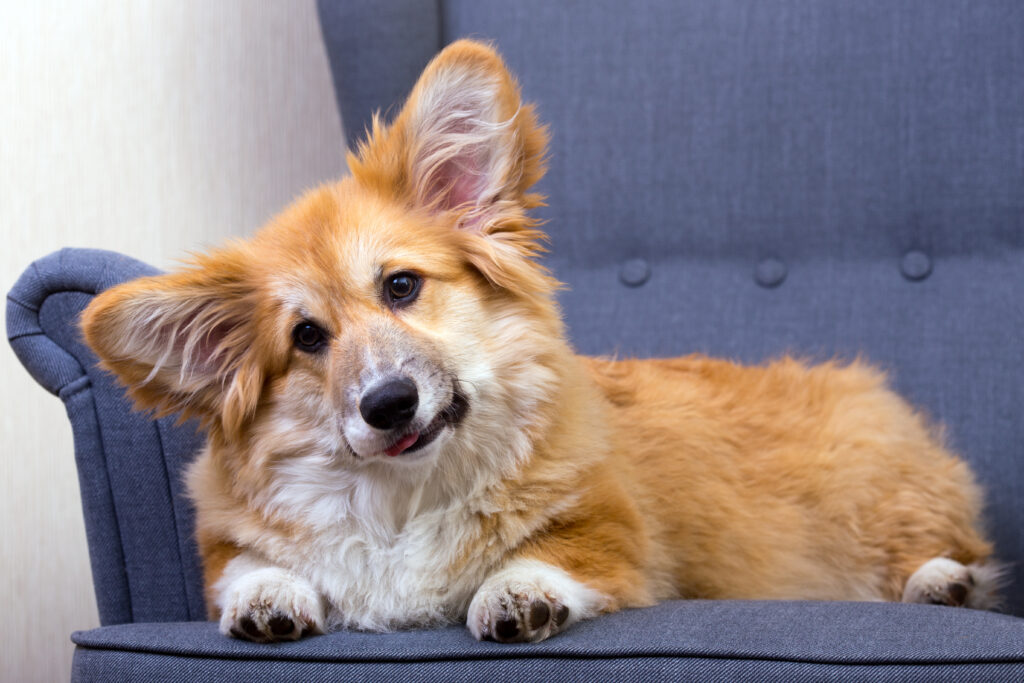
You get up for two minutes to grab a snack or answer the door, and when you come back, your dog has already claimed the couch cushion you just left warm. It’s one of the most relatable moments in dog ownership; you turn around, and there they are, curled up in your seat like they’ve always lived there. Maybe they even give you a look that says the spot is theirs now.
If you’ve ever wondered why does my dog steal my spot, you’re far from alone. This is a common dog behavior, and it usually has a pretty simple explanation rooted in instinct, comfort, and the bond your dog shares with you. In this post, we’ll walk through the real reasons behind the habit, what it signals about your dog’s needs and attachment to you, and when and how to redirect the behavior if it starts to bother you.
Why Dogs Steal Your Spot
Dogs aren’t scheming when they slide into your seat the moment you stand up. Most of the time, it’s a mix of comfort-seeking and opportunism. Here are the most common reasons your pup does it.
1. Scent and Familiarity
Your scent is one of the biggest draws. Dogs experience the world largely through smell, and a spot that’s saturated with your scent feels safe and familiar. When your dog lays in your spot when you get up, they’re not just choosing a comfortable cushion; they’re surrounding themselves with something that smells like their favorite person. It’s a small, sweet way dogs stay close to the people they’re bonded to, even when you’re not in the room.
2. Warmth and Comfort
Body heat plays a big role too. Your seat has been preheated, and that residual warmth is appealing to a dog looking for a cozy place to settle. This is a big part of answering the question, ‘why does my dog take my spot when I get up?’ The couch or bed you just left is warmer, softer, and more comfortable than the floor or even their own dog bed. From a dog’s perspective, why lay somewhere cold when a warm, comfy spot is sitting right there unattended?
3. Attention-Seeking Behavior
Some dogs steal your spot simply to get a reaction. If jumping into your seat makes you laugh, talk to them, or scoot them over, that response can be reinforcing. Dogs are social animals, and even mild attention, like a sigh, a nudge, or a “move, please”, can feel like a reward. Over time, this becomes a bit of a learned behavior: the dog finds that taking your seat reliably gets your attention, so they keep doing it.
4. Habit and Routine
Dogs thrive on routine, and if they’ve claimed a certain spot on the couch or bed for weeks or months, it can simply become their normal resting zone. This is less about asserting anything and more about consistency; it’s the spot they know, so it’s the spot they choose.
5. Territorial Instinct
There’s also a mild territorial component. Dogs are descended from pack animals, and while modern pets aren’t living out strict “alpha dog” hierarchies the way old theories once suggested, they do have a natural instinct to claim comfortable, high-value resources when available. A soft cushion in a central part of the home can feel like prime real estate, and claiming it, even briefly, is a normal canine behavior, not a power move.
6. Separation Anxiety
For some dogs, lying in your spot is a self-soothing behavior. If your dog struggles with separation anxiety, curling up somewhere that smells like you can act like a security blanket, helping them feel safe while you’re away or even just in another room. This is one of the more endearing reasons behind the habit; your dog isn’t trying to take over, they’re trying to feel close to you.
When Should You Worry About Your Dog Stealing Your Spot?
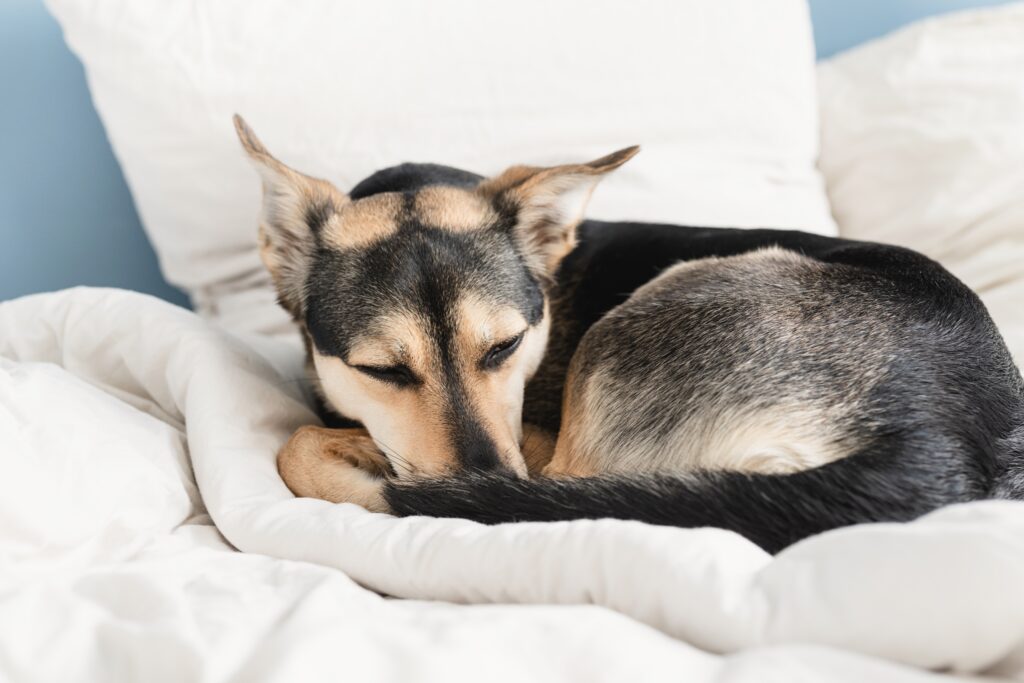
In most cases, a dog lying in your spot in bed or curling into your seat on the couch is harmless and even a compliment, a sign of comfort and affection, not dominance. But there are times when spot-stealing shifts from sweet to concerning.
Watch for resource guarding signals: growling, stiffening, showing teeth, or snapping when you approach the spot and ask your dog to move. If your dog refuses to leave, becomes tense, or shows any sign of aggression around “their” spot, that’s a different issue than harmless comfort-seeking. Guarding behavior around furniture, food, or space can escalate if left unaddressed, and it’s worth consulting a professional trainer or veterinary behaviorist to understand what’s driving the reaction and how to safely work through it.
How to Stop Your Dog From Stealing Your Spot
If the habit is more of a mild annoyance than a real behavioral concern, there are effective ways to redirect it. Note: if your dog growls or snaps when approached, skip these techniques and consult a professional trainer or veterinary behaviorist first.
Teach a Stay or Recall Cue
Training your dog to respond to “off” or “come” gives you a reliable way to ask them to leave a spot without a tussle. Use high-value treats to reward the desired response immediately; dogs learn fastest when the reward closely follows the behavior you want to reinforce.
Create an Appealing Alternative Spot
Give your dog their own premium option. A cushioned dog bed placed nearby, complete with a blanket that carries their scent, can become their own version of a throne. Dogs are more likely to leave your seat behind if they have an equally cozy alternative.
Block Access While Retraining
While you’re working on new habits, consider blocking off the couch or bed when you’re not around to supervise, using a barrier or simply closing a door. This prevents the dog from practicing the behavior you’re trying to change.
Keep the Whole Household Consistent
If one household member allows the dog on the furniture and another doesn’t, the mixed signals will slow progress. Everyone should reinforce the same boundaries so your dog isn’t left guessing.
With patience and consistency, most dogs learn the new rules quickly, especially when the training is paired with rewards they genuinely love.
How Good Nutrition Supports Your Dog’s Everyday Health
Simply put, when your dog steals your spot, it’s rarely about status or control. It’s about scent, warmth, comfort, and the bond they share with you, a small, relatable reminder that your dog feels safe and connected in your home.
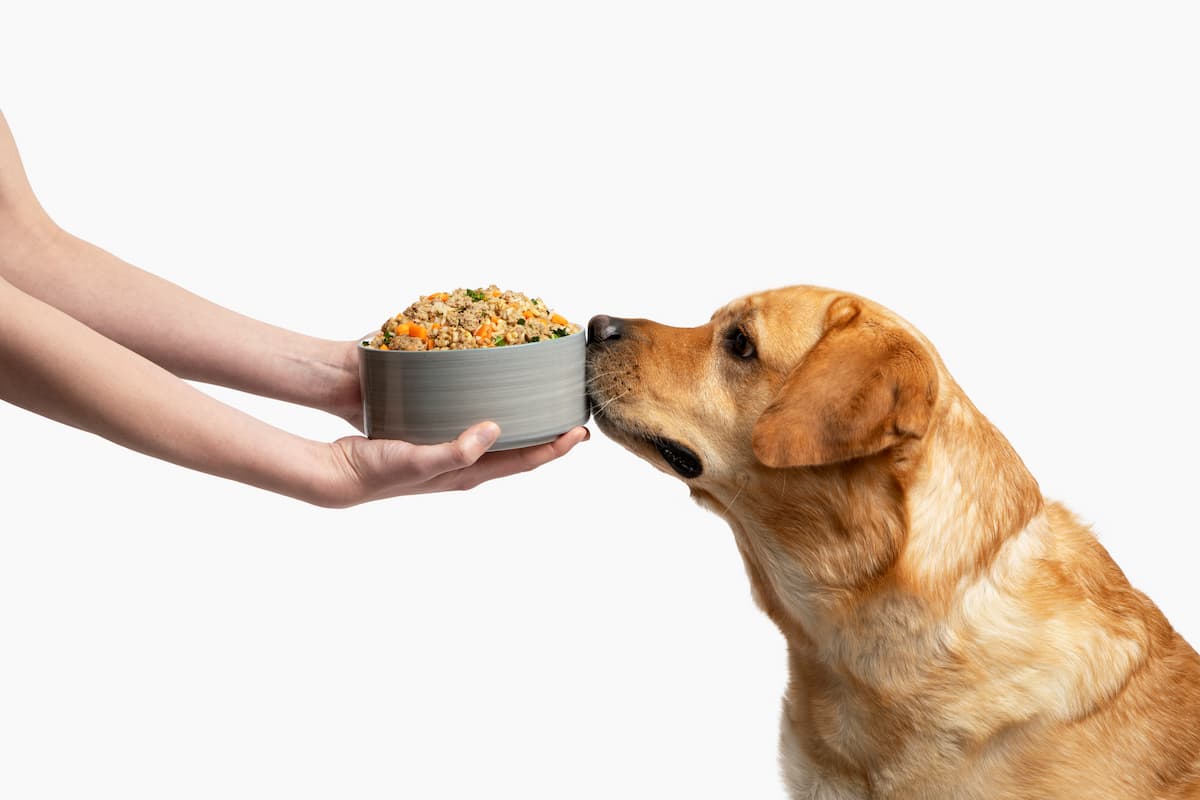
Good dog parenting goes beyond training cues and cozy beds, though. A dog’s behavior, energy, and mood are closely tied to their overall physical health, and nutrition plays a foundational role in how a dog feels day to day. Owners looking to take a proactive approach to their dog’s wellbeing can explore JustFoodForDogs’ nutrition education resources to learn more about how quality nutrition supports a healthy, happy, well-balanced pet.
Final Thoughts
Dogs steal our spots for simple, instinct-driven reasons that include scent, warmth, habit, attention, and connection. In nearly all cases, it’s a harmless, even sweet, expression of comfort and closeness rather than a challenge to your authority. With consistent training and a good alternative spot of their own, most dogs happily adjust. And as with all dog behavior, supporting your pup’s physical health and nutrition helps set the foundation for a happier, more well-adjusted companion overall.