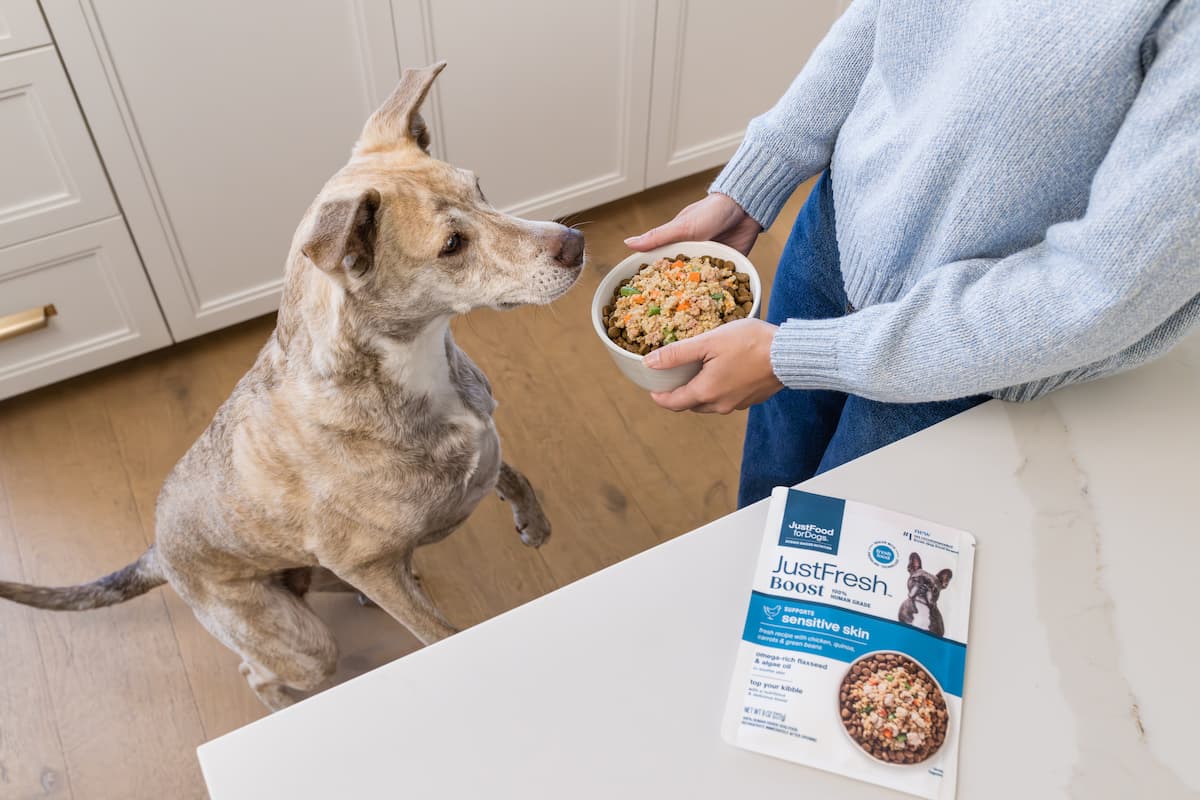
As more pet owners focus on nutrition and wellness, the demand for clear, honest labeling in pet food has never been higher. One of the most important concepts driving this shift is dog food nutrient transparency—a commitment by pet food brands to openly disclose ingredients, nutrient levels, sourcing, and formulation practices.
For dog owners, transparency isn’t just about curiosity. It directly affects the ability to evaluate food quality, avoid allergens, and ensure dogs receive balanced nutrition. In the rapidly growing fresh dog food market, transparency has become a key indicator of product quality and trust.
In this guide, we’ll explore why ingredient transparency matters, how to interpret nutrient analysis, and what to look for when choosing a fresh dog food brand.
What Is Dog Food Nutrient Transparency?
Dog food nutrient transparency refers to how openly a pet food company shares information about:
- Ingredient sourcing
- Recipe composition
- Nutritional analysis
- Manufacturing standards
- Veterinary or nutritionist involvement
- Quality control practices
Transparent brands go beyond basic labeling requirements. Instead of vague ingredient terms, they clearly identify each component of the recipe and provide measurable nutrient information.
For example, a transparent label might list:
- Chicken breast
- Turkey liver
- Carrots
- Brown rice
- Spinach
- Fish oil
This is more informative than generic terms like “animal protein meal” or “poultry by-product.”
Why Ingredient Transparency Matters for Dog Health

Transparency plays a crucial role in maintaining a dog’s overall well-being. When you know exactly what’s in your dog’s food, you can make more informed decisions about their nutrition.
1. Ensures Balanced Nutrition
Dogs require a carefully balanced diet containing:
- Protein
- Healthy fats
- Essential vitamins
- Minerals
- Fiber
- Moisture
Without clear nutrient data, it’s difficult to determine whether a recipe actually meets a dog’s dietary requirements.
Brands that practice dog food nutrient transparency typically publish detailed nutrient profiles so customers can confirm their formulas meet recognized nutritional standards.
2. Helps Identify Allergies and Food Sensitivities
Food sensitivities are increasingly common in dogs. Common triggers include:
- Chicken
- Beef
- Dairy
- Wheat
- Soy
Transparent ingredient lists allow pet owners to quickly identify potential allergens and eliminate problematic foods.
For dogs with sensitive stomachs or skin conditions, this level of detail can be extremely helpful when working with a veterinarian to determine dietary triggers.
3. Builds Trust Between Pet Owners and Brands
Pet owners want to feel confident about the food they’re feeding their dogs.
When companies openly share information about:
- sourcing practices
- cooking methods
- nutrient testing
- formulation changes
it demonstrates accountability and builds long-term trust.
4. Supports Veterinary Collaboration
Veterinarians often recommend specific nutrient levels depending on a dog’s health condition, age, or activity level.
For example:
- senior dogs may require lower calories
- active dogs may need higher protein levels
- dogs with pancreatitis may require low-fat diets
- dogs with kidney issues may require controlled phosphorus levels
When companies publish full nutrient analysis, veterinarians can more easily assess whether a particular food is appropriate.
Understanding Dog Food Nutrient Analysis
A key component of dog food nutrient transparency is the nutrient analysis panel. This section provides measurable nutritional values that help determine whether a dog food recipe is balanced.
Here are the most important components to understand.
Protein
Protein supports:
- muscle growth
- immune system function
- tissue repair
- enzyme production
High-quality protein sources often come from identifiable meats such as chicken, turkey, or beef.
Fresh dog foods typically rely on whole protein sources rather than processed protein meals.
Fat
Fat provides energy and plays a vital role in maintaining healthy skin and coats.
Healthy fats may include:
- fish oil or algae oil
- chicken fat
- flaxseed oil
These fats also help dogs absorb fat-soluble vitamins such as vitamins A, D, E, and K.
Fiber
Fiber supports digestion and gut health.
Common fiber sources in fresh dog foods include:
- pumpkin
- carrots
- sweet potatoes
- brown rice
Fiber helps regulate digestion and can contribute to healthier stool consistency.
Moisture
Fresh dog foods usually contain much higher moisture levels than traditional kibble. It’s why the guaranteed analysis (GA) number may appear lower than it actually is–you need to calculate it on a dry matter basis (see formula below in FAQ section).
Higher moisture content may help support:
- hydration
- kidney health
- digestion
Because kibble is highly processed and dry, many dogs receive less natural hydration from their meals.
Vitamins and Minerals
Micronutrients are essential for maintaining long-term health.
Key nutrients often included in balanced dog foods include:
- calcium
- phosphorus
- zinc
- vitamin B12
- vitamin D
Transparent companies typically publish detailed micronutrient data to confirm their recipes are nutritionally complete.
Fresh Dog Food vs Traditional Kibble: Transparency Differences
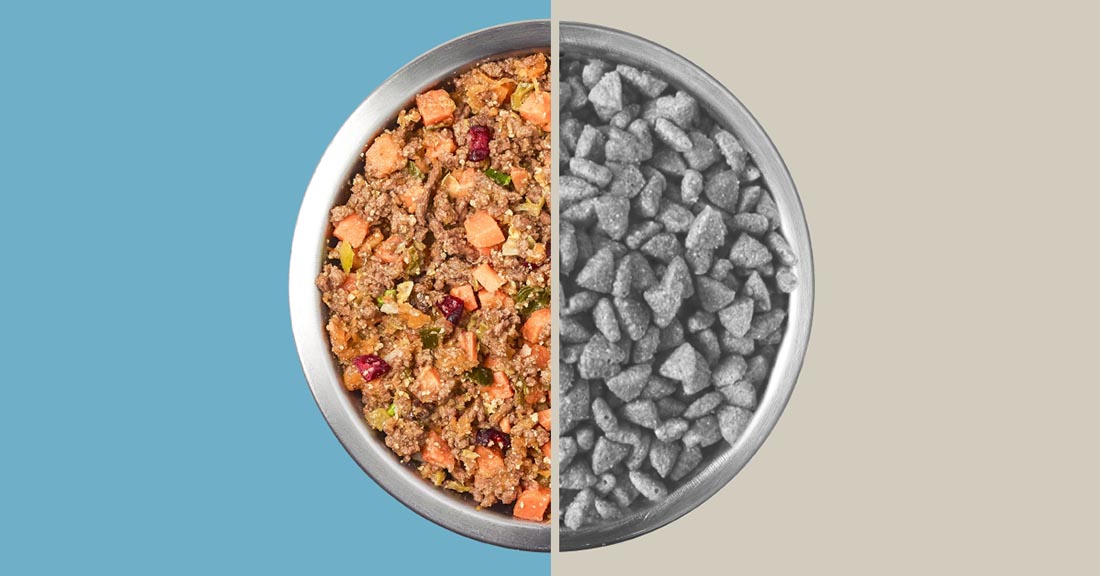
While both fresh and traditional dog foods must meet labeling standards, fresh dog food brands often emphasize transparency more heavily.
This is largely because fresh foods use recognizable whole ingredients rather than heavily processed components.
Fresh dog food companies commonly provide:
- full ingredient lists with whole foods
- cooking and preparation methods
- calorie counts per serving
- veterinary formulation details
- third-party testing results
These details help consumers better understand exactly what their dogs are eating.
What to Look for in a Transparent Dog Food Brand
If you want to choose a brand that prioritizes dog food nutrient transparency, here are several signs to look for.
Clear Ingredient Lists
Ingredients should be specific and recognizable. Avoid labels with vague terms such as:
- meat by-products
- animal digest
- unnamed meat meals
Clear labels make it easier to evaluate food quality.
Published Nutrient Analysis
Look for brands that share detailed nutrient profiles including:
- protein percentage
- fat percentage
- fiber content
- calorie density
Some companies also provide full micronutrient breakdowns.
Veterinary or Nutritionist Formulation
High-quality dog foods are often formulated with input from board-certified veterinary nutrition experts.
This helps ensure recipes meet established nutritional standards.
Ingredient Sourcing Information
Transparent brands frequently explain where their ingredients come from.
This may include:
- human-grade ingredient sourcing
- farm partnerships
- responsible sourcing policies
Knowing where ingredients originate can provide insight into product quality.
The Future of Transparent Pet Nutrition
As pet owners become more educated about animal nutrition, transparency will likely continue to shape the pet food industry.
Consumers increasingly expect brands to provide:
- complete ingredient disclosure
- clear nutrient data
- responsible sourcing
- science-backed formulations
Companies that embrace dog food nutrient transparency are better positioned to build trust and long-term relationships with pet owners.
Final Thoughts
Ingredient transparency is one of the most important factors when evaluating fresh dog food. Knowing exactly what goes into your dog’s meals helps ensure they receive safe, balanced, and high-quality nutrition.
From clear ingredient lists to detailed nutrient analysis, transparency empowers pet owners to make better choices for their dogs.
As the fresh pet food industry grows, dog food nutrient transparency will remain a key standard for quality, trust, and responsible pet nutrition.